Top 15 Banned Literary Classics
- Published August 13, 2007 - 82 Comments
Lists banning books have always been popular, so it is only appropriate that I include a list of them here. This is a list of the top 15 banned books which have great literary value. I recommend that you obtain a copy of any you haven’t read as they are all excellent.
1. Ulysses, James Joyce
Ulysses chronicles the passage through Dublin by its main character, Leopold Bloom, during an ordinary day, June 16, 1904. The title alludes to the hero of Homer’s Odyssey (Latinised into Ulysses), and there are many parallels, both implicit and explicit, between the two works (e.g., the correspondences between Leopold Bloom and Odysseus, Molly Bloom and Penelope, and Stephen Dedalus and Telemachus).
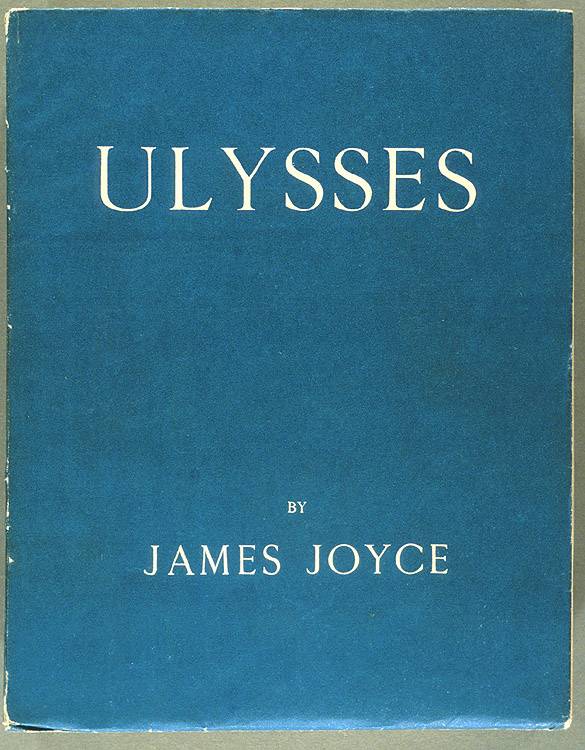
“Given its long history of censorship, ULYSSES has rarely been selected for
high school libraries.” — Judith Krug, director, Office for Intellectual
Freedom, American Library Association, 1986.
2. The Adventures of Huckleberry Finn, Mark Twain
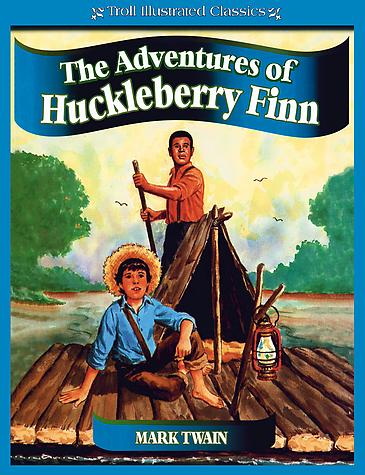
The book is noted for its innocent young protagonist, its colorful description of people and places along the Mississippi River, and its sober and often scathing look at entrenched attitudes, particularly racism, of the time. The drifting journey of Huck and his friend Jim, a runaway slave, down the Mississippi River on their raft may be one of the most enduring images of escape and freedom in all of American literature.
The Adventures of Huckleberry Finn at Amazon
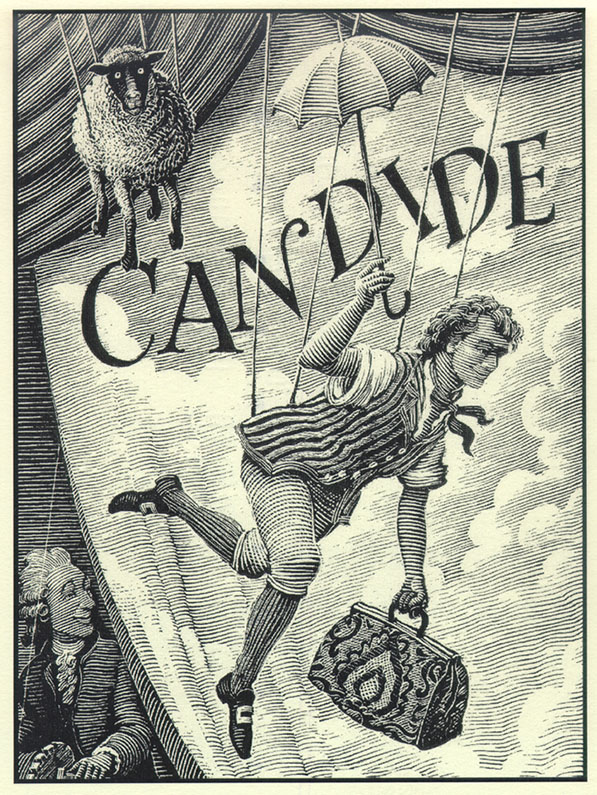
3. Candide, Voltaire
Candide tells the tale of its naive eponymous protagonist, taught to believe in Leibnizian optimism. Candide undergoes a series of extraordinary hardships which constitute the satire. The plot is a similar to that of a picaresque novel or a bildungsroman, for it parodies many adventure and romance cliches. Candide, Voltaire’s magnum opus, is widely considered to be one of the most significant works of the Western canon, and it is thus often included on lists of most influential or greatest books.
4. Brave New World, Aldous Huxley
he world the novel describes is a utopia, albeit an ironic one: humanity is carefree, healthy and technologically advanced. Warfare and poverty have been eliminated and everyone is permanently happy. The irony is that all of these things have been achieved by eliminating many things that humans consider to be central to their identity — family, culture, art, literature, science, religion, and philosophy. It is also a hedonistic society, deriving pleasure from promiscuous sex and drug use, especially the use of soma, a powerful drug taken to escape pain and bad memories through hallucinatory fantasies. Additionally, stability has been achieved and is maintained via deliberately engineered and rigidly enforced social stratification.
5. Ninteen Eighty-Four, George Orwell
Ninteen Eighty-Four tells the story of Winston Smith, and his degradation by the totalitarian state in which he lives. Along with Aldous Huxley’s Brave New World and Ray Bradbury’s Fahrenheit 451, it is among the most famous and cited dystopias in literature. Its terminology and its author have become bywords when discussing privacy and state-security issues. The term “Orwellian” has come to describe actions or organizations reminiscent of the totalitarian society depicted in the novel, and the phrase “Big Brother is watching you” has come to mean any act of surveillance that is perceived as invasive.
Nineteen Eighty-Four at Amazon
6. The Catcher in the Rye, J. D. Salinger
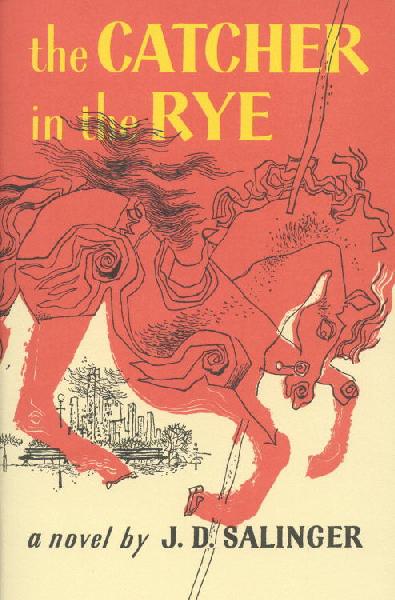
The novel’s protagonist, Holden Caulfield, has become an icon for teenage alienation and fear. Written in the first person, The Catcher in the Rye follows Holden’s experiences in New York City in the days following his expulsion from Pencey Prep, a college preparatory school. The novel remains controversial to this day for its liberal use of profanity and portrayal of sexuality and teenage angst; it was the thirteenth most frequently challenged book of the 1990s according to the American Library Association.
The Catcher in the Rye at Amazon
7. Of Mice and Men, John Steinbeck
The name for the book is an ironic literary allusion to the problems of the main characters, at the same time making reference to an episode in the story in which one physically powerful but developmentally disabled character accidentally kills a mouse while trying to pet it, foreshadowing a manslaughter which will later happen in the same way. Steinbeck wrote this book, along with The Grapes of Wrath, in what is now Monte Sereno, California, in his home at 16250 Greenwood Lane. Steinbeck’s dog ate an early manuscript of the novel.
8. Slaughterhouse-Five, Kurt Vonnegut
A disoriented and ill-trained American soldier named Billy Pilgrim is captured by German soldiers and is forced to live in a makeshift prison, the deep cellars of a disused slaughterhouse in the city of Dresden. Billy has become “unstuck in time” for unexplained reasons (though it’s hinted towards the end that his surviving a plane crash left him with mild brain damage) so he randomly and repeatedly visits different parts of his life, including his death. He meets, and is later kidnapped by, aliens from the planet Tralfamadore, who exhibit him in a Tralfamadorian zoo with Montana Wildhack, a pornographic movie star. The Tralfamadorians see in four dimensions, the fourth dimension being time. Tralfamadorians have seen every instant of their lives already; they cannot choose to change anything about their fate, but can choose to focus on any moment in their lives that they wish.
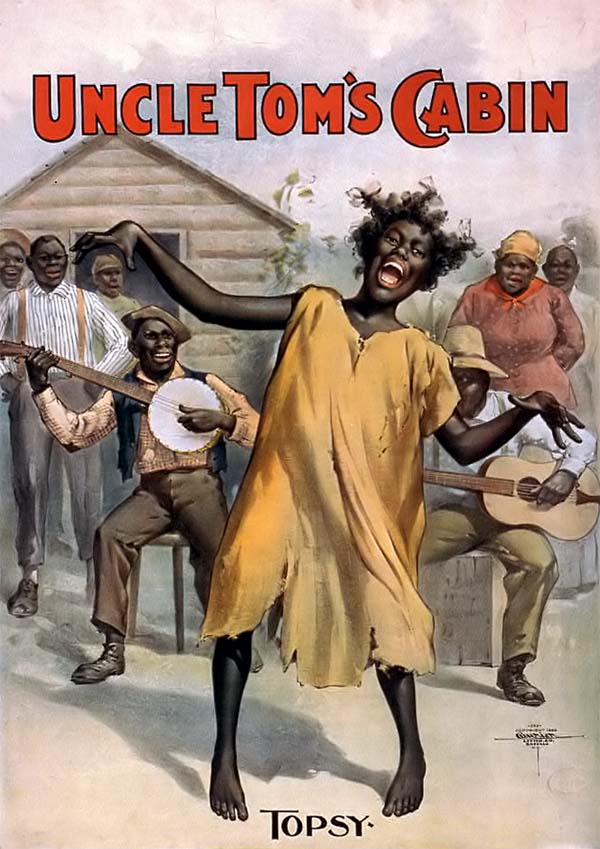
9. Uncle Tom’s Cabin, Harriet B. Stowe
Uncle Tom’s Cabin; or, Life Among the Lowly is an anti-slavery novel by American author Harriet Beecher Stowe. Published in 1852, the novel had a profound effect on attitudes toward African Americans and slavery in the United States, so much so in the latter case that the novel intensified the sectional conflict leading to the American Civil War.
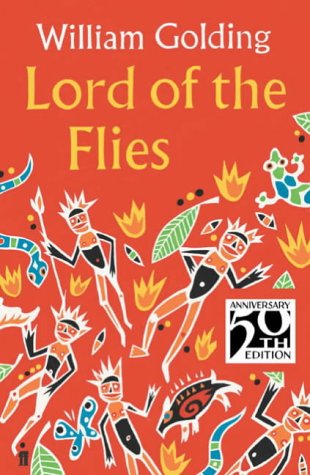
10. Lord of the Flies, William Golding
Lord of the Flies is an allegorical novel by Nobel Prize-winning author William Golding. It discusses how civility created by man fails and how man shall always turn to savagery, using the allegory of a group of school children trapped on a desert island who attempt to govern themselves and fail disastrously. Its stances on the already controversial subjects of human nature and individual welfare versus the common good earned it position 70 on the American Library Association’s list of the 100 most frequently challenged Books of 1990–2000.
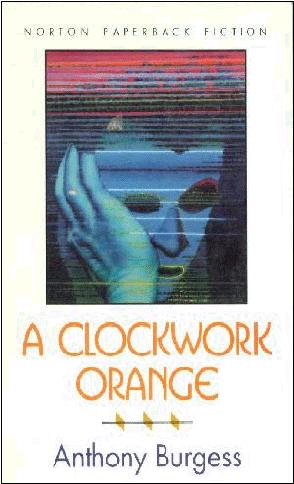
11. A Clockwork Orange, Anthony Burgess
A Clockwork Orange is written in first person perspective from a seemingly biased and unreliable source. Alex never justifies his actions in the narration, giving a good sense that he is somewhat sincere; a narrator who, as unlikeable as he may attempt to seem, evokes pity from the reader through the telling of his unending suffering, and later through his realization that the cycle will never end. Alex’s perspective is effective in that the way that he describes events is easy to relate to, even if the situations themselves are not. He uses words that are common in speech, as well as Nadsat, the speech of the younger generation.
12. The Grapes of Wrath, John Steinbeck
The Grapes of Wrath is set during the Great Depression, the novel focuses on a poor family of sharecroppers, the Joads, driven from their home by drought, economic hardship, and changes in the agriculture industry. In a nearly hopeless situation, they set out for California along with thousands of other “Okies” in search of land, jobs, and dignity. The novel is meant to emphasize the need for cooperative, as opposed to individualistic, solutions to social problems brought about by the mechanization of agriculture and the Dust Bowl drought.
13. The Scarlet Letter, Nathaniel Hawthorne
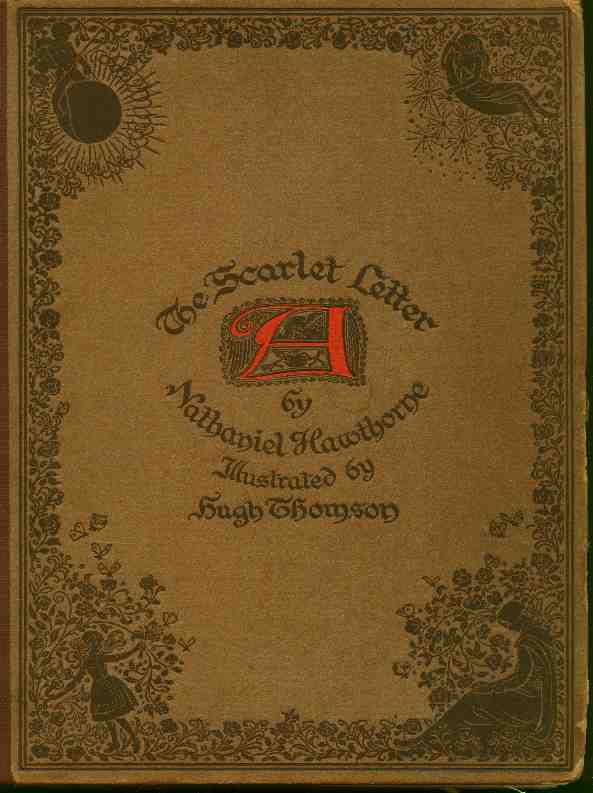
The Scarlet Letter is set in Puritan New England (specifically Boston) in the seventeenth century, it tells the story of Hester Prynne, who gives birth after committing adultery, refuses to name the father, and struggles to create a new life of repentance and dignity. Throughout, Hawthorne explores the issues of grace, legalism, and guilt.
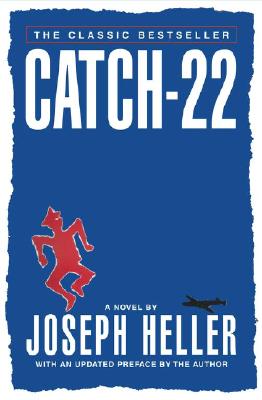
14. Catch-22, Joseph Heller
This novel follows Captain John Yossarian, a U.S. Army Air Forces B-25 bombardier, and a number of other characters. Most events occur while the airmen of the Fighting 256th (or “two to the fighting eighth power”) Squadron are based on the island of Pianosa, west of Italy. Many events in the book are repeatedly described from differing points of view, so the reader learns more about the event from each iteration. The narrative also describes events out of sequence, and furthermore the events are referred to as if the reader already knows all about them.
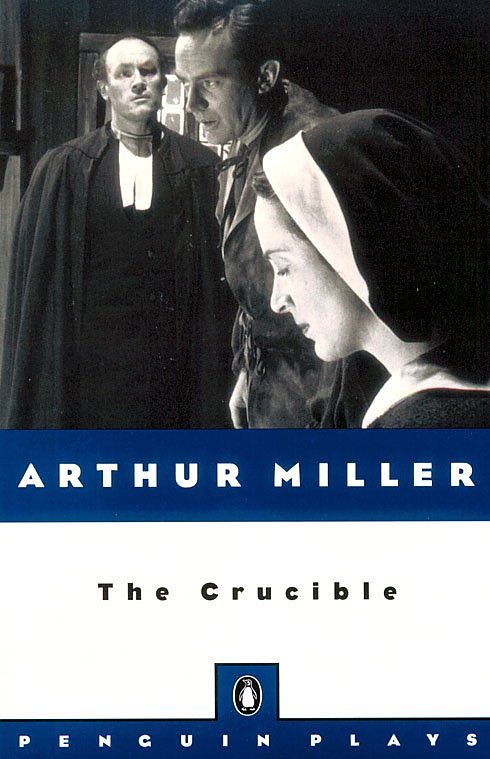
15. The Crucible, Arthur Miller
The Crucible is a 1952 play by Arthur Miller. Based on the events surrounding the 1692 witch trials of Salem, Massachusetts, Miller used that event as an allegory for McCarthyism and the Red Scare, which was a period of time in which Americans were in fear of communism and the government blacklisted accused communists. The Red Scare occurred in the United States in the 1950s. Miller himself was questioned by the House Committee on Un-American Activities in 1956.
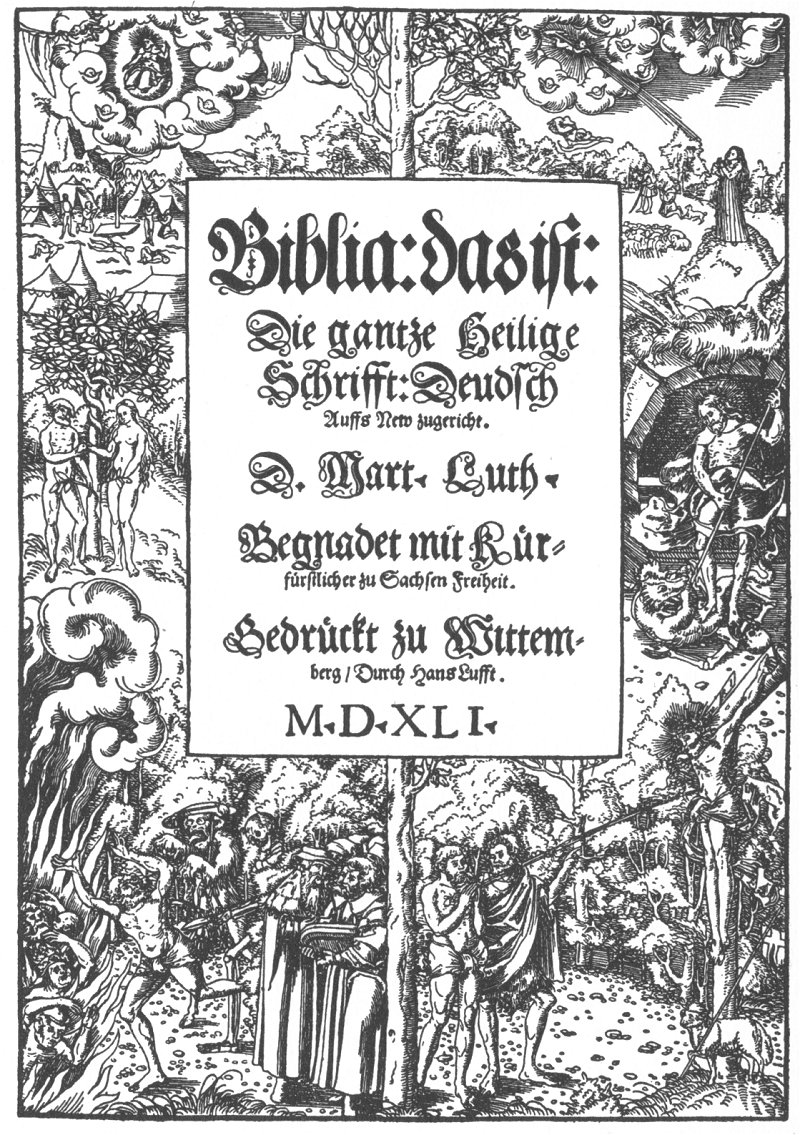
Bonus: The Bible, Martin Luther Edition
Upon publication, the edition of the Bible made by Martin Luther was placed on the Index of Forbidden Books. You can read the full 1559 edition of the Index here. It was issued by the Roman Office of the Inquisition. It also includes the Talmud and the Koran. The 1948 edition is here.
Technorati Tags: Books, literature


August 13th, 2007 at 5:13 pm
good list. it’s sad that i read only 2-1/2 of these books on the list. i put off reading these books for way too long, i have to get myself to read these now.
August 13th, 2007 at 5:19 pm
dalandzadgad: There are still a few on there that I haven’t read as well – I am going to pick them up next time I am at a bookstore. It is high time I read something cultured
August 13th, 2007 at 7:37 pm
This is a pretty American list. I can think of a few European books that may have merited inclusion such as Madame Bovary.
Still though, a fine list with lots of books I want to read.
August 13th, 2007 at 7:48 pm
Stephen: 6 of the original 5 are from British writers and the bonus bible is German. That makes it more of a British list doesn’t it?
I considered Madame Bovary – perhaps I should have included that rather than a second Steinbeck.
August 13th, 2007 at 8:08 pm
Recommendation for adding: Howl by Allen Ginsberg. it’s a poem, but a 20th century classic.
I think it’s funny that a lot of these books are in my school’s english program (high school). I’ve read a some of them, both inside and outside school. My tastes lean towards 19th century russian and french literature (leo tolstoy, fyodor dostoevsky, victor hugo, etc.) but I don’t think those have been banned. challenged, maybe.
August 13th, 2007 at 8:29 pm
dan: I love Howl – it is one my favourite poems. I didn’t include it because it was not a book specifically. Thanks for mentioning it though.
August 13th, 2007 at 10:00 pm
Woohoo
I’ve read 11 of them! And yea, two or three were high school required or suggested reading.
The only truly banned (besides Anarchist Cookbook) book I recall from those days was Uncle Remus. No idea why… it’s delightful (unlike Uncle Tom’s Cabin) – especially fun to read out loud to kids.
/off to the library
August 14th, 2007 at 1:31 am
i would add “The Aleph” by Jorge Luis Borges and one of the Hermann Hesse’s production
August 14th, 2007 at 1:47 am
Hey Jfrater, if you’re including James Joyce as a Briton, I know a lot of people who will rabidly disagree. The entire population of Ireland, for starters…
August 14th, 2007 at 4:08 am
Yeah, from what I remember, #2, 6, 12, and 13 where “required” reading in the highschool I went to in the south about 13-16 years ago. Twain’s classic was the only one that was given as a choice. The teacher had us get our parents to sign an “ok” before reading, because of the racial aspects and a discussion was introduced concerning the N word and whether or not it was considered appropriate within its context. This was in New Orleans where the muddy “Mississloppy” runs. The school I went to was about 70% african american. I dont recall there being any student that didnt read it in my class, but when we had a vocal reading of chapters in class, the N word was passed over with a paused silence.
August 14th, 2007 at 4:28 am
A good list. My 14-yr old daughter has read 10 of these. I, on the other hand, have read none of them.
August 14th, 2007 at 6:37 am
Kleiny: oops – I didn’t realise he was from the Republic of Ireland – sorry. I do know the difference – I promise
August 14th, 2007 at 6:43 am
festaiolo: was Aleph banned?
August 14th, 2007 at 6:44 am
Henry: time to get reading!
August 15th, 2007 at 10:28 am
Wow, I’ve only read “Of Mice and Men”. Thank you, high school English (I have no problem saying my English teachers were quite subpar). Will have to make a trip to Borders.
August 15th, 2007 at 11:07 am
colombican305: I only read two of them at High School. Luckily I had an interest in books and read most of the rest later. They should really revise the syllabus.
August 15th, 2007 at 11:22 pm
I have read about half of those, ironically they were usually for school. Huckleberry Finn is one of my all-time favorites!
August 16th, 2007 at 7:27 am
shennydenny: Huckleberry Finn is a great book – I loved it when I first read it.
August 17th, 2007 at 8:36 am
Two points:
1) Of Mice and Men was written by “JOHN” Steinbeck, not “ROBERT” Steinbeck. Look on the book cover just below.
2) A Clockwork Orange. You make reference to “unending cycle”. Not quite. The book, when published in England, had one more chapter. This was not included in the American edition. In the last chapter, Alex meets one of his old droogs in a pub. The droog is now married, happy and employed. Alex himself is moving away from a life of violence and pondering a job.
August 17th, 2007 at 9:20 am
Seeker: thanks for pointing that out – it was one of those typing errors you make when you are typing but thinking of something else. I will immediately correct it. I have heard of that last chapter of Clockwork Orange but it is not in the edition I have.
August 17th, 2007 at 5:12 pm
Who banned them? I mean, I read most of them except for Candide and the Crucible and they were available at the time I read them. Have they been taken away since? Who did this? It seems unamerican. What other books did they take away? We have to do something to make these books available again and not let them take other books away. Where are we anyway? This is not Cuba or Venezuela after all!!!!!!!!
August 17th, 2007 at 5:36 pm
Pat: they are not banned in most Western countries any longer. They were banned at the time of publication and have since all become great classics in virtually everyone’s mind. As far who did it – the Catholic Church banned Candide (in fact, it is still on the Index of Forbidden Books) but there is no penalty for reading books on that list. It is more of a recommendation nowadays.
August 19th, 2007 at 12:23 am
Little Black Sambo would have been a good addition here, seeing as how it’s a children’s book.
August 19th, 2007 at 4:40 am
hi i enjoyed the read
August 19th, 2007 at 4:41 am
hi i enjoyed the read
August 19th, 2007 at 7:38 am
Marcy: I am saving that one for the top 10 politically incorrect children’s books
I love the story.
Amya/Frederick: I am glad you did! Thanks for the comment.
August 19th, 2007 at 2:48 pm
Thanks for the list and comments 21 & 22 (Pat & jfrater).
I was surprised that I have read 4 of the these and have purchased 3 more of the list for future reading. Pat echoed my thoughts… wondering how these are in the banned list.
I’ll try to pick some of the other books in the list, am trying to read american classics.
August 19th, 2007 at 6:27 pm
In the US all of these books are still banned from time to time from school curricula, school libraries and public libraries in various local communities. Often Red States but also blindly politically-correct areas of Blue States too.
Having read all of these books, it still boggles my mind to try to imagine where someone’s head must be, what their assumptions about life are, what their world view is, to imagine these books being bad or even slightly dangerous, let alone needing to ban them to prevent access by any teenager or adult. What these ban-seekers apparently believe has absolutely nothing in common with anything valued by a rational or humane civilization, or by knowledge and education in general.
The disturbing thought that keeps coming to mind when I so try to imagine them is that such people are so completely out of touch with their own and others’ humanity that they must be utterly sociopathic or clinically insane. Nothing else fits the observed behavior. So why are these people’s opinions taken with equal weight?
August 19th, 2007 at 6:42 pm
Mantra: you took the words right out of my mouth!
August 20th, 2007 at 1:36 am
Ulysses should be banned because IT IS SO FRIGGING HARD TO READ!!!
August 21st, 2007 at 10:27 pm
Books are really never banned, but the bible thumpers and right-wing nuts in some areas of the country censor the schools and libraries. That is the keyword, CENSOR. You all know the literature themes that upset people to the point were they want to try to shelter the population. I’ll name a few: sexual content (Ulysses, I think this book went to the supreme court and was the only book truly banned for a short time everywhere in the US), teens angst, books deemed critical of the state or its interests, socialist themes, racial themes (people wanted there kids to grow up racist, don’t ya know), etc.
It really sickens me when people get try to censor a whole system or country just because they disapprove (usually it’s ignorant disapproval) of the content. Does Harry Potter sound familiar?
August 22nd, 2007 at 9:26 am
One Salient Oversight: haha. Many people before you have said the same thing
kostrevk: you are quite right – hopefully lists like this serve to keep us aware of this practice so we can stop it in the future.
September 1st, 2007 at 6:13 pm
kostrevk: some people literally believe that “ignorance is strength”…
September 2nd, 2007 at 12:35 am
Che: the communists come to mind – and the nazis for a while too.
September 12th, 2007 at 9:28 am
You could also include Tropic of Cancer, Naked Lunch, & the DH Lawrence books that started the whole censorship thing in the late 50’s.
Good list though, I’ve been wasting many hours at work since I found it.
September 12th, 2007 at 10:08 am
AnotherEngine: indeed – thanks for the additions. I love Naked Lunch.
September 12th, 2007 at 10:41 am
It really sickens me when people get try to censor a whole system or country just because they disapprove
…
Have a look at your childrens cartoon channel for evidence of this censorship.. When was the last time you saw tom and jerry playing bow and arrows on saturday morning? That’s right.. probably when YOU were a child. There are dozens if not hundreds of banned cartoons out there. Mostly dealing with race issues.
Jamie, you should do a top list of banned cartoons.. like betty boop, or the Tex Avery cartoons.. unless you already have…
here’s a start..
http://mostoffensivevideo.com/banned.html
September 12th, 2007 at 10:54 am
Thanks sakul – great idea!
September 12th, 2007 at 11:00 am
Thanks sakul – great idea!
..
no problem, but I did like the other ‘list’ I submitted yesterday better… It has more value.
September 28th, 2007 at 10:23 am
Good list. I’ve read 7 of these books and they were mostly good.
I don’t know if it’s been banned anywhere, but there were several parents who were upset when we had to read Equus my sophomore year of high school
September 28th, 2007 at 11:03 am
Punjar: I wouldn’t be surprised if Equus were banned. It is a topic that is generally taboo in the West. Did you know that the star of Harry Potter is in a West End production of it? Here is a NSFW image from the publicity literature.
October 16th, 2007 at 1:00 pm
d h lawrence’s “lady chatterley’s lover” was published in florence in 1928 but was not published in the united kingdom until 1960.
December 1st, 2007 at 4:13 pm
ya i agree with sakul—
that would be a cool list…i heard they banned donald duck in Finland becaus ehe didnt wear pants
January 3rd, 2008 at 9:05 am
wow. banned? I grew up on Long Island, out of high school about 6 years now, and I remember reading many of these books in High School. Are they banned from just certain schools and libraries? or all of them? is it just certain areas?
January 5th, 2008 at 7:11 am
After doing some searching I found that Catch-22 was banned because of offensive language and for disrespecting war (and implicity soldiers!).
Boy, were there some wacko comments about the book. If any of those guys had bothered to read it, they would’nt be banning it for those reasons.
The only reason for banning it would be the meandering language used, and I am trying hard to think of some reason here.
January 18th, 2008 at 5:51 am
NECİP
January 18th, 2008 at 8:13 am
I’d like to read Brave New World
January 24th, 2008 at 3:37 pm
Forgot ‘The Awakening’ by Kate Chopin.
January 27th, 2008 at 6:19 am
Thought “Alice In Wonderland” deserved a mention
January 27th, 2008 at 2:44 pm
Banned? where i go to school seven of these books are part of the public high school curriculum
January 31st, 2008 at 6:47 pm
No Judy Blume? her books have been banned/censored multiple times.
Also, heard someone mention a Banned Cartoons List. I’d like to see something like that.
February 2nd, 2008 at 8:52 am
I agree that Ulysses should be banned. It is one of the main reasons for so much poor literature being published these days. It is dull and poorly written. Far more worthy texts you could have mentioned include Paradise Lost, The Satanic Verses, and Don Quixote (one of my very favorite books). Good list, though I agree it’s a bit too American.
February 3rd, 2008 at 1:46 am
wow a lot of my favorite books are on here. i cry every time i read Of Mice and Men
February 3rd, 2008 at 8:40 am
We read 1984 at my school, so it must not be that strongly opposed…
February 6th, 2008 at 4:14 pm
es muy bacano chao y soy de colombia
February 10th, 2008 at 10:38 am
I’d just like to say that our high school has no banned books, even though as Christian private school many people think we do. “Lord of the Flies”, “Huck Finn”, “The Crucible” are all required for graduation and our library contains almost all. My English teacher encouraged me to read “Brave New World” and also “Fahrenheit 451″ (not mentioned, but blacklisted at the public high across town) Both were excellant. The Reformed Christian perspective on banned books is typically of using them to show the truths of the world, which are typically uncomfortable and difficult. (I mean, our school follows Luther and Calvin as our doctrine — that’s blacklist in some places) I have been taught to challenge the world’s views and keep an open but critical mind. Many of these books have pros and cons, and I’d support the 7 that I have read. (
February 23rd, 2008 at 2:13 pm
i’m surprised none of the russian books that were banned during the communist years are on here.
March 24th, 2008 at 8:24 am
I’ve read 12 out of the list, some were read as required reading while in High school, some I read as required reading from my mom.
May 12th, 2008 at 9:45 pm
I couldn’t begin to express in words my hatred for The Catcher in the Rye. It’s whiny teen angst dressed up as literature.
May 19th, 2008 at 10:44 am
This is peculiar in that, with the exception of the Martin Luther Bible appearing on the list (created by a Roman Catholic beauracracy in 1559), no reference is made to why the other works listed were banned. This makes me somewhat suspect of the motivation to list the other specific books. I was required to read all the works on the list, during my Roman Catholic education in High school and University.
I would like to see a list of “suppressed” books that while of literary importance, were not given their due because they did not fit the politically correct definition of the liberal mores of the time. More importantly, examining the last few decades, I am interested in other’s thoughts about the major American publishing houses (or other western publishers) willingness to suppress works as a result of these publishers being overly influenced by a liberal world view. You can deduce that I do not think it has anything to do with free intellectual discussion, etc. I surmise these views can only come from the people who have the time to read these comments. However, I am curious to see further comments. Unfortunately, even my modern Catholic education has tried to teach me that me that all works suppressed always reflect liberal progressivism and the bad guys are always conservative reactionaries. In the mass media, just think of Michael Moore vs. poor Ben Stein.
June 14th, 2008 at 5:26 pm
jfrater: on #4, at the beginning, it says “he world the novel describes is a utopia,”. I think it is supposed to say, “The world the novel describes is a utopia,”
July 1st, 2008 at 12:06 am
September 20th, 2008 at 11:25 am
I have to read Of Mice and Men and Lord of the Flies in school this year.
September 21st, 2008 at 2:41 pm
Wasn’t “A Wrinkle in Time” banned for some weird reason somewhere? Despite it being probably the greatest children’s book ever written?
October 5th, 2008 at 1:08 am
How are these banned? I read most of them in high school lit classes.
October 21st, 2008 at 9:08 pm
Lolita
Naked Lunch
The Satanic Verses
The Harry Potter books
These banned books are more important than some of the others on this list because it points out that the March of Ignorance has become STRONGER, not weaker, as human culture progresses.
It’s too late
to negotiate
Burn the Book-Burners
December 28th, 2008 at 6:21 am
Clock work orange is a movie now isnt it?
it make the top 100 scariest movie moments..
it looks really messed up…
December 31st, 2008 at 8:08 am
Let’s see, I’ve read The Scarlet Letter and The Crucible. Most of them on are my reading list, and a friend is sending me Brave New World for my birthday.
I really need to go buy the rest…
January 18th, 2009 at 7:30 am
Where is Animal farm it was written in 1943 but they refused to publish it until 1945 because of its scathing criticism of Stalin’s Russia.
April 4th, 2009 at 6:58 pm
Huckleberry Finn is such a great book, but so blatantly racist. Its sad for people not to understand that that was how kids and authors thought and wrote back then.
Lord of the Flies is a horrible book. I couldn’t stand it.
May 20th, 2009 at 1:04 pm
Currently working on Catch 22, but I can’t really get in to it. I’ve read and/or own most of these books. I’ve read Uncle Tom’s Cabin, The Crucible, Of Mice and Men, and Huck Finn. I own 1984, Catcher in the Rye, and The Scarlett Letter…but haven’t read them yet.
Animal Farm and Farenheit 451 should be on here, too.
July 19th, 2009 at 5:32 pm
Hey, you don’t say why most of them were banned. Hmm. A few I get why, but most I’ve read, and most of those because they were on “the list” of classics given to me in (public) school.
July 31st, 2009 at 11:34 am
We’ve had to read the majority of this list in high school. My absolute favorite is Brave New World followed by Catcher in the Rye.
July 31st, 2009 at 5:40 pm
Was His Dark Materials (the Golden Compass, The subtle Knife, The Amber Spyglass) banned? i know the catholic church flailed and kicked and screamed when it came out, and I read this books and they are great!
Sorry If this wasnt banned, but if not i still suggest reading it!
August 9th, 2009 at 12:01 am
when i saw the title i thought that this list would be all hese black market-esk(?) books, but they turned out to be some of my favorite books for the most part.
September 7th, 2009 at 1:24 pm
We read “Lord of the Flies” in grade eleven. It was horrible.
September 16th, 2009 at 12:08 am
This list is flawed. Why were these books banned? Why were they unbanned eventually? During what spans of time were they banned? You have NO details?
Do you expect me to just know the answers to these questions? If I knew them then why would I have clicked on this list in the first place? Yes I’ve read many of these but for instance, Ulysses, I’ve never read and your description gives NO examples of why it even could have been banned. (And in that same vein, banned from what exactly? School libraries, public ones? Book shops?)
Yet another good concept for a list really, REALLY, poorly executed.
September 22nd, 2009 at 4:11 pm
Tropic of Cancer > all listed, if not in every context then at least for the sake of including the most “bannable” material
October 7th, 2009 at 2:00 pm
Just FYI, Little Black Sambo, that charming children’s story, was unfortunately named, but is not about negroes, but Indians {no, not ‘native Americans’}. There are no tigers in Africa – they’re higher up, in India and north thereof.
I’ve read and enjoyed almost all the books on your list, but found J.J.’s Ulysses unreadable. Homer’s was better. Agree Tropic of Cancer and Tropic of Capricorn should be included.
Lord of the Flies {one of the devil’s many names} was meant to be horrible; the film was just as horrible. A Clockwork Orange was meant to be violent – that’s what it was about! Difficult to read, though, because one had almost to read the glossary to grok it all.
Just waded through Anna Karenina, and can understand why it was so popular back then {mid 19C}; it was their Peyton Place. Not even interested in attempting War & Peace.