
 Food
Food
Food
Food  Animals
 10 Remarkable Ways Wild Animals Show Respect and Affection
 Movies and TV
 10 Movies That Required Entirely New Technology to Be Invented
 Our World
 10 Countries That Exist… but Aren’t Officially Recognized
 Health
 10 Times the Placebo Effect Fooled Modern Science
 History
 10 Surprising Facts You Never Knew About Paul Revere
 Music
Music 10 Misconceptions in Music History
 Animals
 10 Wild Animals Ancient Cultures Successfully Tamed
 Movies and TV
 10 Action Flicks That End on a Quiet Note
 Mysteries
 10 People Who Infamously Appeared out of Nowhere
Food Top 10 Historical Food Fads That Changed Society
Animals 10 Remarkable Ways Wild Animals Show Respect and Affection
Movies and TV 10 Movies That Required Entirely New Technology to Be Invented
Who's Behind Listverse?

Jamie Frater
Head Editor
Jamie founded Listverse due to an insatiable desire to share fascinating, obscure, and bizarre facts. He has been a guest speaker on numerous national radio and television stations and is a five time published author.
More About Us
Our World 10 Countries That Exist… but Aren’t Officially Recognized
Health 10 Times the Placebo Effect Fooled Modern Science
History 10 Surprising Facts You Never Knew About Paul Revere
Music 10 Misconceptions in Music History
Animals 10 Wild Animals Ancient Cultures Successfully Tamed
Movies and TV 10 Action Flicks That End on a Quiet Note
Mysteries 10 People Who Infamously Appeared out of Nowhere
Top 10 Historical Food Fads That Changed Society
Food trends aren’t just about avocado toast or kale smoothies; some have reshaped the way we live, work, and even think. Behind the quirkiness of every culinary craze lies a ripple effect that extends far beyond the kitchen. From ancient grains that fueled the rise of civilizations to gelatin salads that defined domestic life in mid-century America, food has the strange power to influence society in ways most of us never notice.
This list isn’t about weird snacks or fleeting Instagram trends—those are easy. Instead, we’re diving into the historical fads that changed diets, economies, politics, and culture. Each entry captures a moment when humans collectively decided, “We will eat this now,” and the consequences were enormous. Some fads sparked revolutions, others transformed industries, and a few even rewrote the rules of daily life.
So buckle up and grab your fork—we’re about to explore ten extraordinary culinary trends that, quietly or not, altered the course of human history. And yes, all of them are real, verifiable, and far more fascinating than your average food blog fluff.
Related: 10 Foods Unexpectedly Named After Real People from History
10 Fast Food Industrialization: How Quick Meals Reshaped Global Society
Where Did Fast Food Come From, and Who Invented It? | History 101

If there’s one food “fad” that didn’t just come and go, it’s fast food as a system. This culinary revolution reshaped how we eat, work, socialize, and even think about time itself. What began as a simple idea in 20th-century America—serving burgers and fries quickly—became a global social engine with consequences nobody originally predicted.
Back in the 1950s, brothers Richard and Maurice McDonald radically streamlined their roadside restaurant into a hamburger assembly line they dubbed the “Speedee Service System,” prioritizing speed, low cost, and uniformity. Franchises soon popped up nationwide, catering to hurried families and commuters, and that model—replicable, standardized, and cheap—expanded across continents in the decades that followed.
But this wasn’t just a trend in what we ate. It touched nearly every corner of life: it helped shape urban sprawl and car culture, introduced a new paradigm of labor with largely low-skill, part-time jobs, and became a powerful cultural symbol of modernity and convenience. Today, the logic of fast food—efficiency, predictability, and control—has seeped into education, retail, and public services, a phenomenon sociologists call McDonaldization.
What started as a fad in quick burgers became a structural force affecting society far beyond the dinner table—a true culinary trend with profound historical impact.[1]
9 The Paleo Diet: When Prehistory Became a Global Food Trend
The Risky Paleo Diets of Our Ancestors
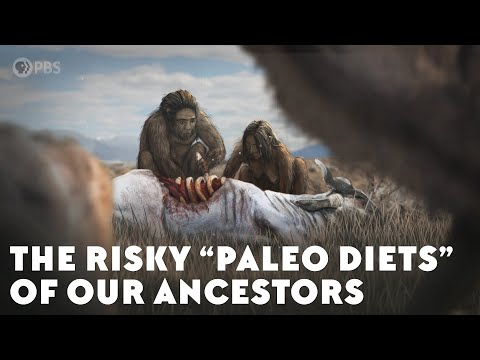
Long before kale chips and avocado toast invaded Instagram feeds, people were looking to the distant past for dietary guidance—and that’s how the Paleo diet became a worldwide sensation. Based on the idea that humans should eat like their hunter-gatherer ancestors, this trend promoted a return to “natural” eating: meat, nuts, fruits, and vegetables, but no processed foods.
It sounds simple—even obvious—but the cultural impact was anything but. Supermarkets, restaurants, and entire food brands began adjusting their offerings to fit a diet modeled on prehistoric conditions. People weren’t just eating differently; they were thinking differently about food, health, and lifestyle. Paleo helped shift conversations around industrial agriculture, processed foods, and nutrition while also inspiring a range of fitness and wellness movements.
What makes this trend remarkable isn’t just the recipes or the imagery; it’s that a modern fad rooted in a prehistoric idea influenced food production, marketing, and consumer habits on a broad scale. The Paleo craze turned history itself into a dietary guidebook—proving that even ancient eating patterns can shape contemporary society.[2]
8 Sugar: The Sweet Addiction That Transformed Civilization
The Surprising Science Behind Sugar Addiction

Sugar isn’t just sweet; it’s historically transformative. Over the centuries, this crystalline substance went from a rare luxury for the elite to a ubiquitous staple that reshaped economies, diets, and politics. By the 19th and 20th centuries, sugar consumption had skyrocketed, fueling the growth of industrial food production and global trade networks, including plantation systems tied to colonial economies.
Its impact wasn’t just economic. Sugar transformed how people ate, encouraging demand for processed foods, pastries, and soft drinks. Entire industries rose to meet that demand, and governments began grappling with public health concerns that continue today. Sugar also influenced culture—afternoon tea rituals, candy traditions, and celebratory desserts became embedded in national identities.
What makes sugar’s story especially significant is its scale: a single ingredient shaping agriculture, labor systems, commerce, and daily routines around the world. It’s a reminder that food trends don’t just fill bellies—they can drive history itself.[3]
7 Space-Age Snacks: How Astronaut Food Launched a Convenience Revolution
Tasting Astronaut Food: Inside NASA’s Space Food Systems Laboratory

In the 1960s, the space race didn’t just send rockets into orbit—it pushed food technology into new territory. Astronaut meals like Tang, Space Food Sticks, and freeze-dried fruits represented a shift in how food could be stored, transported, and consumed under extreme conditions.
The ripple effect was significant. These innovations influenced the development of processed and packaged foods designed for convenience and longevity. Marketing emphasized their futuristic appeal: “If it’s good enough for astronauts, it’s good enough for you.” Families embraced these products, and the convenience culture expanded rapidly.
Beyond the novelty, this trend reshaped the relationship between science, industry, and everyday eating habits. Space food helped redefine expectations of food as portable, long-lasting, and engineered for efficiency—contributing to the rise of the modern on-the-go diet.[4]
6 The Peanut Butter & Jelly Sandwich: America’s Portable Meal Revolution
The Surprisingly Short History of the Peanut Butter and Jelly Sandwich

It might seem simple—a slice of bread, peanut butter, and jelly—but this unassuming combination became a cultural and societal phenomenon in the United States. Emerging in the early 20th century, it offered a practical solution: feeding children quickly, affordably, and conveniently.
By the 1930s, the peanut butter and jelly sandwich had become a staple in schools, lunchboxes, and even military rations during World War II. Its rise reflected broader changes in American life, including industrialized food production, pre-sliced bread, and mass-distributed peanut butter, all of which made the sandwich widely accessible.
Culturally, the sandwich embedded itself in the American imagination, appearing in books, films, and childhood memories. Its influence extended beyond taste, shaping eating habits, marketing strategies, and food manufacturing priorities. A simple trio of ingredients became a symbol of practicality and ingenuity, demonstrating how everyday foods can leave a lasting societal impact.[5]
5 Jell-O Salads: When Gelatin Wobbled Its Way into American Homes
Why Was Jello Salad Ever A Thing? | Delishtory

In mid-20th-century America, gelatin wasn’t just a dessert; it was a cultural statement. The Jell-O salad craze of the 1920s through the 1950s turned a simple mix of flavored gelatin, fruits, and sometimes vegetables into a culinary phenomenon that defined domestic life and modern convenience cooking. It wasn’t just about being sweet or quirky—it symbolized a new era of industrialized food, marketing, and household efficiency.
These wobbly creations were heavily promoted in cookbooks, advertisements, and women’s magazines, encouraging homemakers to showcase creativity while adhering to ideals of modern domesticity. The salads reflected both technological innovation and changing social norms: gelatin was affordable, shelf-stable, and quick to prepare, freeing time for other household duties while allowing for elaborate presentations at parties and community events.
The Jell-O craze also reshaped consumer expectations. Suddenly, people demanded convenience without sacrificing novelty, paving the way for packaged, ready-to-eat foods that would dominate postwar kitchens. What might seem like a quirky fad in retrospect was actually a meaningful shift in how Americans cooked, ate, and socialized—all through the jiggle of a gelatin mold.[6]
4 Victorian-Era Vegetarianism: When Meatless Meals Made a Statement
Vegetarians in the Victorian Era

In the mid-19th century, a surprising dietary movement took root in Britain: organized vegetarianism. Far from being a fleeting curiosity, it promoted meat-free eating for health, moral, and economic reasons. Influential writers, reformers, and social groups advocated plant-based diets, challenging long-held assumptions about nutrition, class, and ethics.
This wasn’t just about what people ate at the dinner table; it was a broader cultural shift. Vegetarian societies formed, cookbooks and periodicals circulated, and restaurants began catering to this growing audience. The movement also intersected with causes such as temperance, animal welfare, and social reform, giving dietary choices a deeper ideological significance.
Victorian vegetarianism foreshadowed many modern food movements. It questioned industrialized meat production, emphasized ethical eating, and encouraged experimentation with plant-based foods in new ways. Its influence can still be seen today in contemporary vegetarian and vegan lifestyles.[7]
3 Coffeehouses: How a Cup of Joe Sparked a Cultural Revolution
Coffee Houses: A Brief History of Fun

It’s hard to imagine a world without coffee, but in 17th-century Europe, this drink did far more than provide energy. Coffeehouses emerged in cities like London, Paris, and Vienna and quickly became centers of conversation, debate, and intellectual exchange.
Merchants, artists, politicians, and philosophers gathered in these spaces to share ideas and discuss current events. Coffeehouses became known as “penny universities,” where patrons could, for the price of a cup, engage with news, science, and political thought. These discussions contributed to shifts in public opinion and helped spread ideas associated with the Enlightenment.
The coffeehouse craze also reshaped urban life. People began meeting, working, and socializing in these shared spaces, integrating coffee into daily routines. More than just a beverage trend, coffeehouses became engines of cultural and intellectual development, influencing how societies communicated and exchanged ideas.[8]
2 The Columbian Exchange: How New Foods Rewired the World
Christopher Columbus: The Food, The Bad & The Ugly

When Europeans, Africans, and Native Americans began exchanging crops and livestock in the 15th and 16th centuries, the results went far beyond simple culinary novelty. Foods such as potatoes, maize, tomatoes, cocoa, and chili peppers spread across continents, transforming diets, agriculture, and economies worldwide.
Potatoes contributed to population growth in Europe, while maize became a staple in parts of Africa and Asia. Crops like sugar and cocoa helped establish global trade networks, many of which were tied to colonial systems and new economic structures. These changes influenced not only what people ate but also how societies developed and interacted.
Although not a “fad” in the modern sense, the Columbian Exchange represents one of the most significant shifts in global food history. It demonstrates how the movement of food can reshape cultures, economies, and populations on a massive scale, leaving a lasting legacy still evident today.[9]
1 The Agricultural Revolution: When Farming Changed Civilization
What was the Agricultural Revolution?

Before humans settled down to plant crops and raise animals, life was largely nomadic and centered on hunting and gathering. Around 10,000 BCE, the Agricultural Revolution began, marking a major turning point in human history. While not a fad in the traditional sense, it represents the most foundational shift in how humans interacted with food.
By domesticating crops like wheat, barley, and rice, along with animals such as goats and cattle, people were able to produce surplus food. This surplus supported population growth, permanent settlements, and the development of specialized labor. Communities expanded into cities, and social structures became more complex.
The Agricultural Revolution also introduced new challenges, including land ownership disputes and reliance on seasonal cycles. Despite these changes, it laid the groundwork for trade, governance, and technological advancement. In many ways, it can be seen as the original food trend—one whose impact continues to shape human society today.[10]
More Great Lists
 Top 10 Foolish Food Fads
 10 Head-Scratching Food Fads That Have (Mostly) Come…
 10 Times Animals Wreaked Havoc on Society
 10 Long-Dead Languages Still Affecting Society Today
 10 Extreme Laws That Tried to Engineer Society
 Top 10 Debunked Historical Medical Treatments
 Top 10 Historical Fiction Novels That Entertain and Educate
 Top 10 Historical Assassins Who Failed Spectacularly
 Top 10 Historical Disasters Caused by Someone…
fact checked by
Darci Heikkinen
More Great Lists