
 Movies and TV
Movies and TV
Movies and TV  Weird Stuff
 10 Wild Facts You Might Not Know About Bears
 Mysteries
 10 Terrifying Medical Mysteries That Turned Out to Be Poisoning
 History
 10 Real Intelligence Operations That Sound Like Hollywood Fiction
 Creepy
 10 Drowned Towns That Reappear When the Water Recedes
 Animals
 10 Astonishing Animal Abilities Scientists Never Saw Coming
 Music
Music 10 Famous Musicians Who Grew to Resent Their Biggest Hits
 Animals
 10 Mass Animal Die-Offs That Looked Like the Apocalypse
 Weird Stuff
 10 Unexpected Objects People Have Treated as Sacred
 Movies and TV
 10 Tough-Guy Actors Who Unexpectedly Broke into Song
Movies and TV 10 Period-Drama Details That Look Fake but Are Historically Accurate
Weird Stuff 10 Wild Facts You Might Not Know About Bears
Mysteries 10 Terrifying Medical Mysteries That Turned Out to Be Poisoning
Who's Behind Listverse?

Jamie Frater
Head Editor
Jamie founded Listverse due to an insatiable desire to share fascinating, obscure, and bizarre facts. He has been a guest speaker on numerous national radio and television stations and is a five time published author.
More About Us
History 10 Real Intelligence Operations That Sound Like Hollywood Fiction
Creepy 10 Drowned Towns That Reappear When the Water Recedes
Animals 10 Astonishing Animal Abilities Scientists Never Saw Coming
Music 10 Famous Musicians Who Grew to Resent Their Biggest Hits
Animals 10 Mass Animal Die-Offs That Looked Like the Apocalypse
Weird Stuff 10 Unexpected Objects People Have Treated as Sacred
Movies and TV 10 Tough-Guy Actors Who Unexpectedly Broke into Song
Top 10 Basic Cooking Tricks
This is a first for the List Universe – a cooking topic. This list will teach you 10 very basic cooking tips to guarantee restaurant level perfection every time. The basis for most of these methods is from the French technique.
10 How to boil an egg
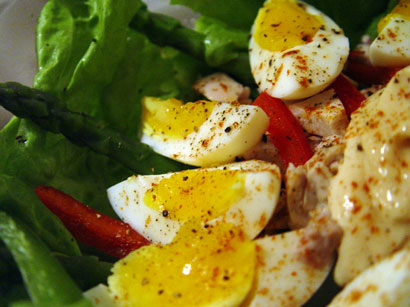
The perfect hard-boiled egg should have a moist and bright center – it should not be pale yellow and powdery and there should definitely be no signs of green around it (this signifies overcooking).
To perfectly boil an egg, you need a pot which is large enough to hold the number of eggs you want to cook without them touching – but do not let it be so big that the eggs can move around the pot. Fill it with just enough water that the eggs will just be covered when you add them. Bring the water to the boil and add the eggs one by one with a spoon so that you don’t crack the shells. Set a timer for 8 minutes. After exactly eight minutes take the eggs off and run cold water into the pot until the eggs are completely cold (this stops the cooking process). You will now have perfect hard boiled eggs.
To cook something savory, you need love, care, and the right tools. Buy a Nonstick Ceramic Cookware Set at Amazon.com!
9 How to scramble an egg
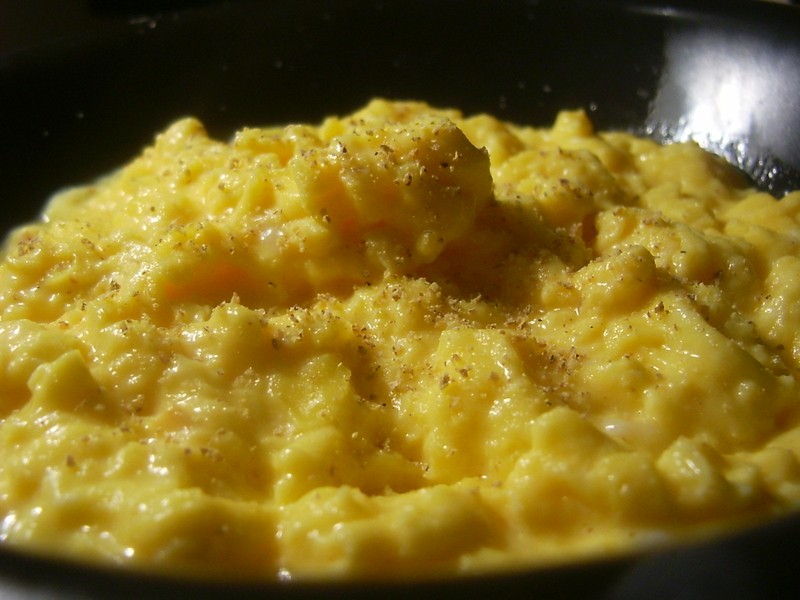
The best type of scrambled eggs, in my opinion, is French style – the French style is much more like a sauce than the English style which is usually dry. In the early days of this method, the chef would use a double-boiler to cook the eggs so that the result was like custard. The method here is faster and has more body. You can use 2-4 eggs per person depending on how hungry people are.
In a large pot put a knob of butter (between 25-40 grams) and turn the heat on low. While the butter is melting, crack your eggs in to a bowl. Once the butter has fully melted (it should not be bubbling or the heat is too high) add a large pinch of salt and ground pepper to the eggs and mix with a fork until just combined (don’t overmix the eggs). Do not add anything else to the eggs at this time. Pour the egg mixture in to the pot and stir constantly. If the mixture does not seem to be thickening you can turn the heat up just a little. You should soon start to see curds appearing which are the parts of the egg that have cooked. keep mixing at a moderate pace until almost all of the egg has changed to curds. There should still be a small amount of runny egg left. Take it off the heat immediately. Add another knob of butter and stir until it is melted, then add 3-4 tablespoons of cream (you can use more if you prefer the eggs slightly runnier). Taste for salt and if needed, add more. You should be able to pour this thick mixture.
8 How to make an omelette
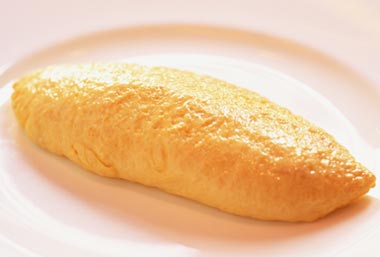
There is really only one rule with an omelette – it must not brown. For one omelette take a small sized pan and melt a small knob of butter in it. Turn the heat to medium low. While the butter is melting, crack your eggs in to a bowl, add a good pinch of salt and pepper and mix until only just combined (do not overmix). When the butter has melted and is just beginning to sizzle, pour the egg mix in to the pan. Using a soft utensil like a wooden spoon, stir the omelette the whole time, breaking up any curds that form. When you have only a little runny egg left on the top take the pan off the heat and put it under the grill. Grill until the top has dried completely but has not browned. Remove from the grill, fold the omelette in half and slide on to the serving plate. You can add additional toppings before putting it under the grill if you wish, and you can also drizzle a little cream over the top at the same time.
7 How to cook pasta
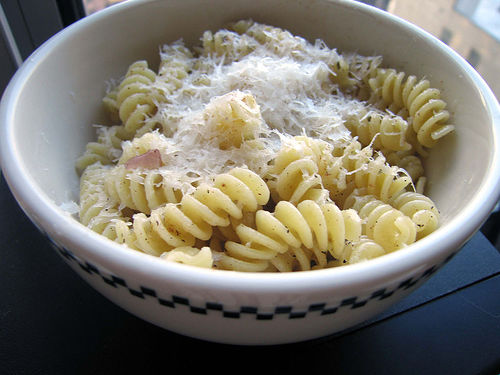
Pasta is a very simple dish that can be prepared very quickly. This technique of cooking will give you perfect pasta without spills. Take a very large pot – a stock pot is ideal. Half fill it with water and add enough salt that when you taste the water it tastes like the sea (this is a lot of salt, but it is necessary to bring out the flavor in the pasta – it is the way pasta is cooked in Italy). Do not add oil or anything else to the water. Put the pot on to boil. When the water is boiling vigorously, add the pasta. You may need to give the pasta a bit of a stir from time to time, to make sure it doesn’t stick together. Each type of pasta takes a different time to cook (though it is generally between 8 and ten minutes) – you should find instructions for timing on the packet. Use that timing but start to check the pasta two minutes before the time is up because packet instructions often put a longer time than is needed. To test the pasta remove a single piece and bite it – if it is soft on the outside with a firm (but not crunchy) centre, it is ready (this is called the al dente stage). Reserve one cup of the cooking water, then strain the pasta but do not rinse it and do not strain it dry. An easy way to serve this (which is popular in Italy) is to mix a good sized knob of butter with the pasta and serve it with parmesan cheese. If you are using a sauce, you can add some of the reserved water to it for added flavour.
6 How to cook perfect steak
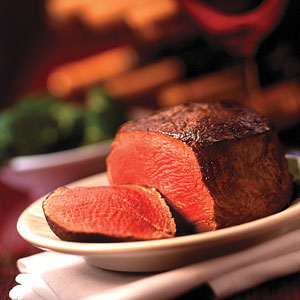
This is the French method which is always rarer than non-French methods. You need a good heavy bottomed pan or grill and you need to put it on a fiery hot heat. You should use a nice thick cut of steak (I am presuming you are using at least a 2cm thick slice). Lightly salt and pepper the steak on both sides. If you are using a grill, brush the steak with oil, otherwise the rest of the technique is the same. To your hot pan add a tablespoon or two of vegetable oil (it should be just enough to coat the pan – you don’t want to boil the steak in oil). Add a good sized knob of butter to the oil. It should sizzle. Ensure the bottom of the pan is well coated with maybe 1 or 2 millimeters of butter. Add your steak to the pan and do not touch it. It must not be moved in the pan while it is cooking. This will give you a nice crisp on the outside of the meat. Cooking times are:
Bleu (very rare – the best way to eat steak): 1 minutes on each side
Rare: 2-3 minutes on each side
Medium: 4 minutes on each side
Well-done: 5-6 minutes on each side
Just before turning the steak, you can add another small knob of butter to the pan. Turn the steak and, again, do not touch it until the cooking time is done. Remove the steak from the pan, put on a plate, cover with foil and leave to rest for 3-5 minutes before serving. This allows the meat fibres to relax – giving a more tender bite.
Make everyone jealous of your savory backyard grilling techniques with Easy Recipes for Summer Cooking at Amazon.com!
5 How to cook rice
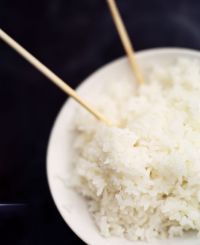
Rice is, for many people, a terrifying experience but it need not be as it is actually very simple. This recipe gives perfect fluffy rice every time. I prefer to use Basmati rice which is a long grained white rice from India. This recipe presumes you are using long grained white rice – it will not work with other. This quantity will serve 3-4 people.
In a moderately large pot put some vegetable oil and turn on the head to medium. When the oil is hot, add a finely diced half an onion (you can omit the onion but not the oil). Cook until it has softened. Take a regular coffee mug and fill it to the top with rice. Pour it into the hot onions and stir so the rice is well coated. Fill the mug with hot water and add it to the rice – then fill the mug again and add the second cup to the rice (rice in this method is always cooked with a ratio of 1 cup of rice to two cups of water). Add plenty of salt. If you like a nice variation you can add half a cinnamon stick to the water at this time. Let the rice come back to the boil and put the lid on the pot. Turn the heat down to its lowest setting and set a timer for 15 minutes. Do not remove the lid at all during the cooking time. After fifteen minutes, lift the lid and, using a fork, push the rice away from the side of the pot whilst tilting the pot toward you – if there is any liquid left in the pot return the lid and cook for another minute, checking every minute in the same way as just described. When the pot has no remaining liquid, remove it from the heat, remove the lid, and cover with a cloth for 4-5 minutes. That is it!
4 How to mash potatoes
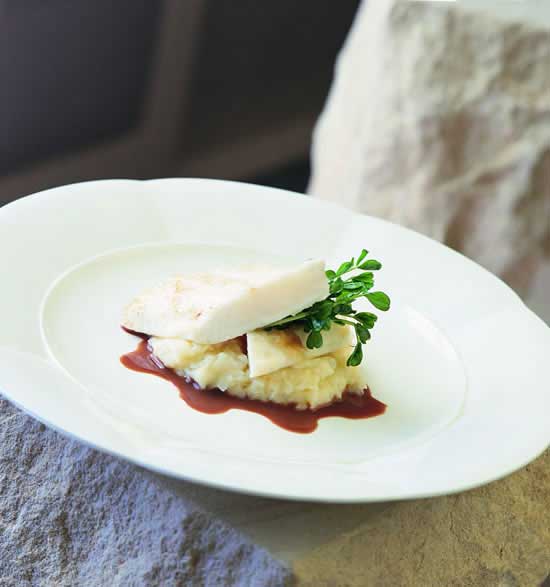
This method is the French restaurant style of mashing potatoes – it will give you perfect mashed potatoes with no lumps. Peel and halve 6 medium sized potatoes and put them in a pot so they fill the pot about 2/3 of the way. Cover with cold water and add a very liberal amount of salt to the pot (you should be able to taste the salt in the water). Bring to the boil and partially cover the pot with a lid. Depending on the type of potatoes you use, cooking time can range from 10-20 minutes. When the potatoes are soft but not falling apart, remove them from the pot and strain all the water off immediately. Put half to 3/4 of a cup of cream on the stove and bring it to the boil (as soon as it boils turn off the heat). Place the potatoes in to a sieve (the same type you use for sieving flour). Using a sturdy spoon, force the potatoes through the sieve – this is hard work but it is well worth it). Once all of the potatoes have been sieved, put them back in the pot and place this on a low heat on the stove. Add a large knob of butter (30-50gms) and, using a wooden spoon, mix the butter in to the potatoes. While mixing start pouring some of the hot cream in to the mix – this will help melt the butter and adds depth of flavor and creaminess to the mash. Use only enough cream to make the potatoes in to a thick paste. Add a good grating of nutmeg. Taste for seasoning and add pepper and more salt if it is needed. Serve immediately.
3 How to roast potatoes
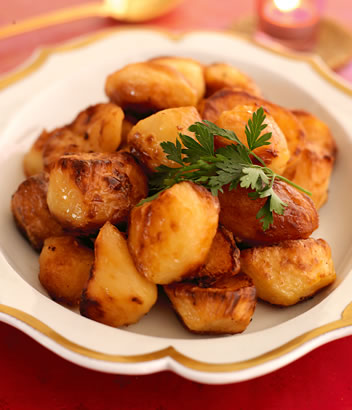
First of all, the best fat for roasting potatoes is goose or duck fat. If you can not get either of these, you should try to find lard or dripping. Peel your potatoes and cut them in to medium sized pieces (halve small potatoes and quarter large potatoes). Melt 50g of fat per 500g of potatoes in a roasting dish. Add the potato pieces and roll them around until they are fully coated. Season with salt and cook at the top of a preheated oven (190c, 375f, gas mark 5) for 40 minutes. Bast frequently with the fat until they are golden and cooked through. Some people like to partly boil the potatoes first, tossing them in the pot until they get a fluffy outer layer. This is perfectly fine to do but you will need to reduce your cooking time in the oven.
2 How to boil vegetables
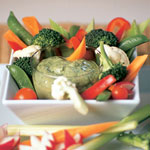
Cooking times vary between the vegetables, but this method can be used for virtually all types. Clean or peel (as required) your vegetable and cut into bite sized chunks. Add to a pot and just cover with boiling water. Make sure you put plenty of salt in the water. Place the pot on a moderately-high heat and bring to the boil. You will need to test the vegetables from time to time to check whether they are done. The way to tell is that they should be soft but still have a crisp bite. Green vegetables should not be turning pale green or grey. If the vegetables are soft all the way through, they are overcooked. Strain off the cooking water and serve immediately.
1 How to roast a chicken
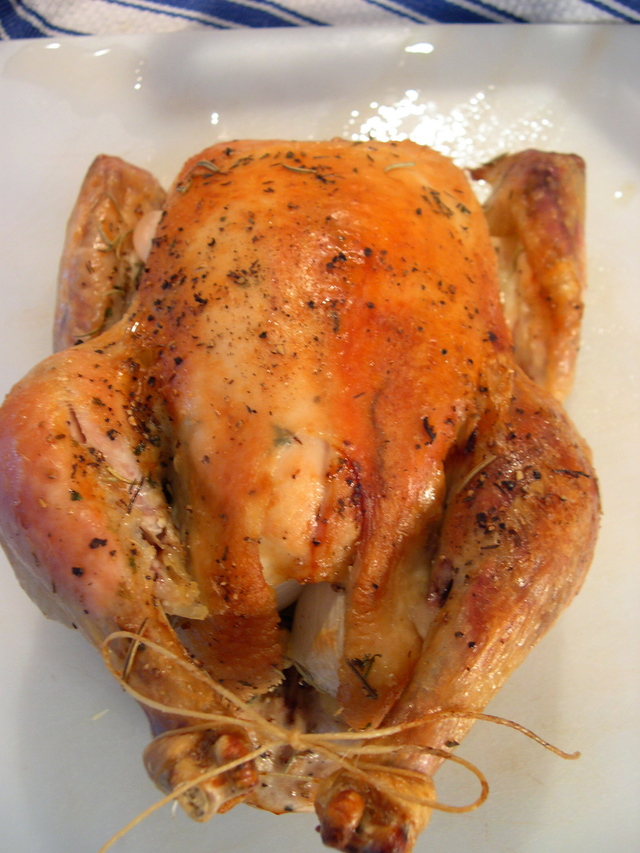
Roasting a chicken well is actually a very simply task. Add salt, pepper, one bay leaf, one crushed clove of garlic, and a small bunch of thyme to the body cavity. Salt and pepper the outside and rub a thick coating of soft (but not melted) butter all over the skin. Place the chicken breast side down in a roasting pan (this will help to prevent drying of the breast). Cook in a pre-heated oven (200c, 400f, gas mark 6) for half the cooking time (cooking time is determined by this formula: 15 minutes per 450g – 1lb – of chicken, plus 15 extra minutes). Turn the chicken over and finish cooking it breast side up. Once cooked, put the chicken on a warmed platter and let stand for 15 minutes before serving to allow the juices to settle and the meat to relax. You can use a little boiling water to deglaze the pan and use this as the gravy. This method will give you crispy skin and moist flesh.
More Great Lists
 Top 10 Fascinating Facts About Army Basic Training
 10 Basic Foods That Were Once Believed To Be Magic
 Top 10 Design Tricks Businesses Use To Make You Spend Money
 Top 10 Tricks Used By FBI Profilers In Serial Killer…
 Top 10 Sinister Tricks Serial Killers Used To Trap…
 Top 10 Dirty Tricks Fake Psychics Play On You
 10 Controversial Debates About Food And Cooking
 10 Magic Tricks That Are Still Unexplained
 10 Weird Tongue Tricks
More Great Lists