10 Books that Changed America
- Published March 20, 2008 - 117 Comments
There are books that are revered because of their effect on art, and there are books that are remarkable because they literally change the very society from which they came. Here is a list of ten books that radically changed or shaped American society. I’ve excluded all religious texts because those are just too obvious. So without further delay, here’s the list!
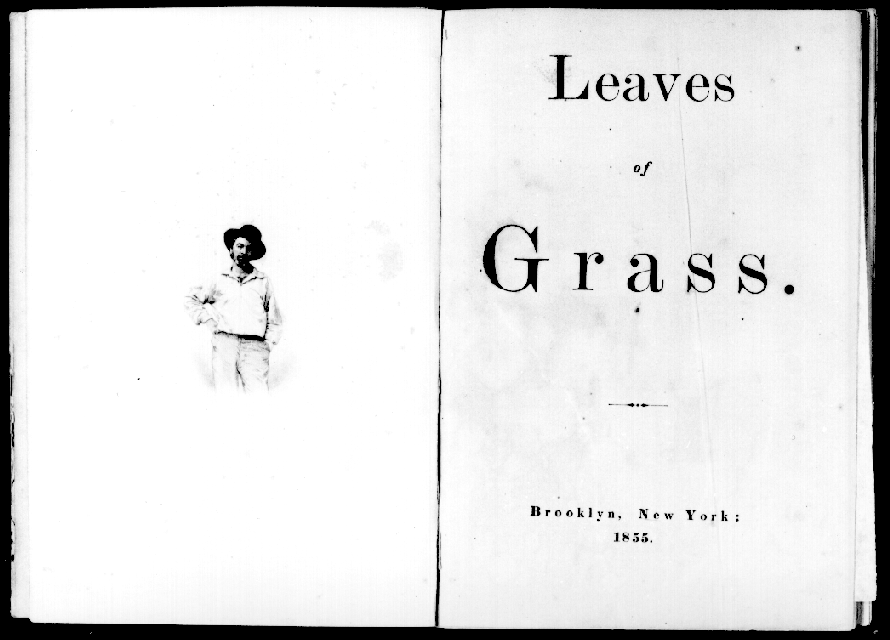
This 1855 book of poetry ushered in the American equivalent of the Romantic Era of literature. Whitman’s brilliant work changed art, and changed what could be discussed in art with his bold and bawdy epic poem. This work was both subversive and celebratory, that opened the door for discussion of many issues, and also was the work that opened the beat movement that followed nearly a century later. [Read the full text online]
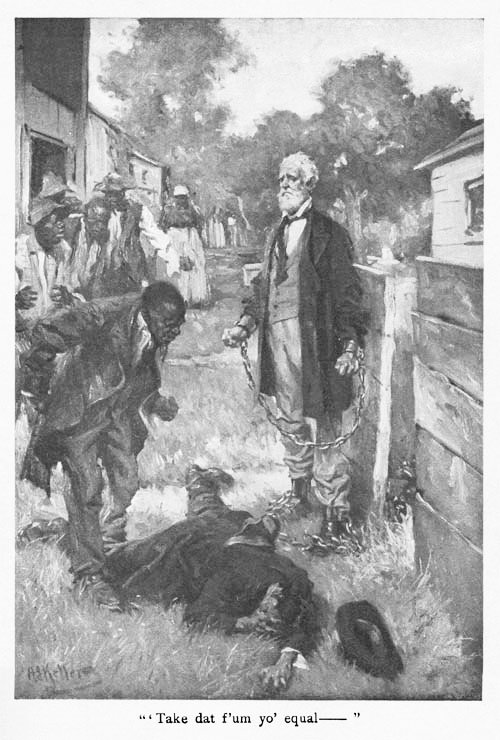
Unfortunately, not every book has a good influence on society. This 1905 book made the KKK out to be heroes, and lead to a disgraceful anti-black film (the Birth of a Nation) that was quoted by then President Woodrow Wilson as being, “Sad because it’s true.” This was the racist answer to “Uncle Tom’s Cabin,” and this book was a best seller that eventually led to support for the Jim Crow laws. Sad and sick, but influential all the same. [Read the full text online]
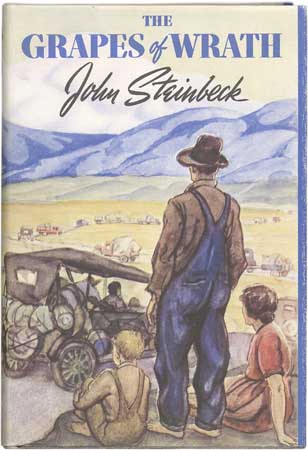
This novel, which won the 1939 Pulitzer Prize for fiction, was a stunning and powerful novel. This fictional book was based on the real life plight of the poor Midwestern farmers who went into California looking for work, and ended up in slave conditions and tragedy. This book was extremely controversial, and hated in California, but invoked such an outrage that Congress actually passed legislation to help the migrants and their families. This never would have happened without this book, which remains a classic to this day.
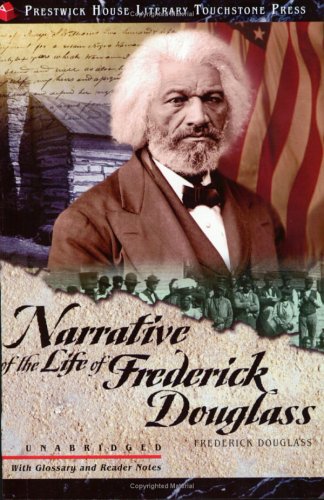
The full title of this book is “The Narrative of the Life of Frederick Douglass, an American Slave”. This autobiography of Frederick Douglass was printed in 1845 and really opened people’s eyes not only because of the intriguing title, but because Douglass’s exceptional prose, poetic fables, and great writing skill showed what a former slave could aspire to. With this beautiful writing, others realized that the point of view Douglass has was valid, and the fable referring to slavery was too hard to miss. [Read the full text online]
This simple yet powerful book caught the attention of millions and was the cry against the loss of our environmental treasures that finally forced Congress to listen and spawned the modern environmental movement. This book caused DDT to be made illegal, and helped save the Bald Eagle, among hundreds and hundreds of other animals.
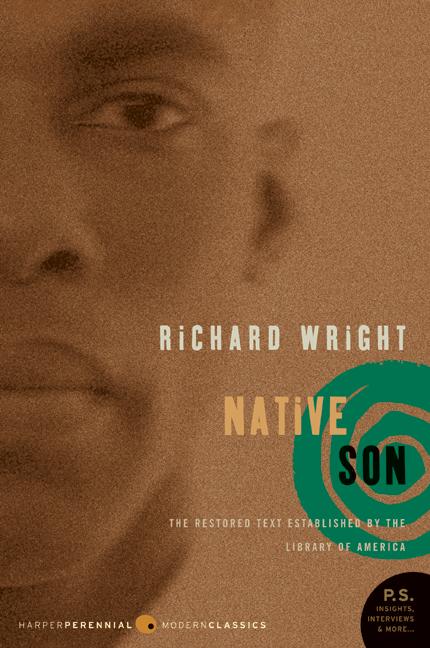
This novel by Richard Wright was incredible, and shocked the entire nation by making a seemingly vicious black man (and a murderer) a hero, or at least an anti-hero. Bigger Thomas was the epitome of an angry black man, pushed too far not only by a society that hated him because of the color of the skin, but by the self-loathing he felt as a result and by even the white Socialists who thought they understood, but did not. This violent and startling story brought to attention the savage inequalities and racism in America, and helped lay part of the foundation for the Civil Rights Movement.
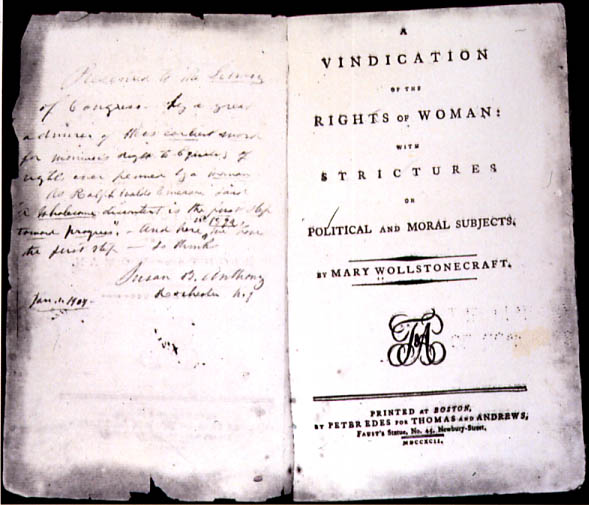
This 1792 work was a passionate manifesto, and this work’s effect caused Wollstonecraft to be considered the mother of modern feminism. This was the first major literary assertion of women’s rights, and started the ball rolling on every major breakthrough to follow. [Read the full text online]
Hot dog, anyone? This novel was meant to be about not only the meat packing plant, but also about the terrible conditions of poverty that immigrants and low wage workers dealt with in the cities. This novel shocked the nation, and the understanding that humans who fell in the vat simply ended up in hot dogs . . . well apparently that’s more important than poverty. Nonetheless, this caused several acts to be passed by congress in dealing with both employment laws and with meat packing and food and safety standards. Many of these laws are still in effect even today. [Read the full text online]
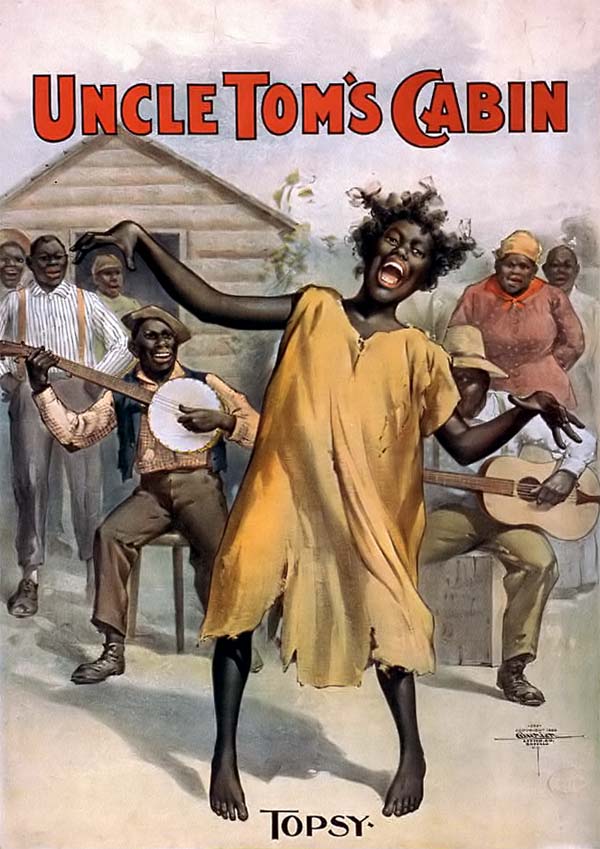
This was almost number one, but even at 2, no one can argue that this was one of the most influential books in American history. Not only was this the first book to sell a million copies, and inflamed the issue of slavery to the point where there was no way to ignore it any longer. When author Harriet Beecher Stowe met President Abraham Lincoln, Lincoln was quoted as saying: “So you’re the little woman who started this great war.” Whether the quote is true or not, it shows the effect she had on society. [Read the full text online]
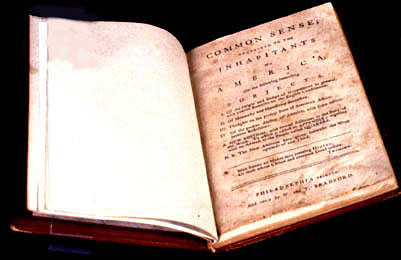
It’s almost impossible to argue with this one at the top. The fiery yet intelligent public indictment of monarchy and demanding freedom may have been the single biggest fuse that lead to wide spread support of the Revolutionary War. Many historians think of Paine’s book as the ember that sparked the blaze. Over 100,000 copies were sold in the first few months, and before “Common Sense” became widely read, most colonists didn’t give a crap about breaking away from Great Britain, so the book that helped create America is the one that gets the number one spot. [Read the full text online]
Contributor: Shane Dayton


March 20th, 2008 at 5:20 am
Never heard of any of them…although now i do fancy a hot dog
March 20th, 2008 at 5:20 am
cool
March 20th, 2008 at 5:22 am
boomshine87: preferably not made with human flesh
March 20th, 2008 at 5:26 am
jfrater: that synopsis sort of reminded me of a scene from Saw III, with the pigs etc…
March 20th, 2008 at 5:29 am
#6 is responsible for a lot of deaths. It turns out DDT is NOT harmful to humans. In fact, the only reason it was harming birds is becayse of how much they used. It doesn’t take very much of it to be effective. Instead, we use more harmful chemicals that are less effective as insecticides. Its fine for America, but we enforce our policy on countries like Haiti and African nations. Because of the US and its knee-jerk reaction to that book, Malaria is once again an epidemic in the third world. But at least those precious birds are okay.
(note: I spent a lot of time in Haiti and Indonesia and have seen first hand how bad the malaria problem is. This is one of my big soap-boxes.)
Good list, though like you said, not all had a POSITIVE influence.
March 20th, 2008 at 5:30 am
uncle toms cabin so wild
March 20th, 2008 at 5:32 am
Haven’t read most of these (Still kicking myself for not reading Grapes of Wrath yet). The only one I have read was Native Son, and I honestly did not care for it. The whole scene with his buddy in the movie theater (if you’ve read the book, you’ll know what I mean) kinda soured the experience for me.
March 20th, 2008 at 5:35 am
Nice list Jamie. Makes me want to go read some books. I have heard of many of these, but not actually read them. Some I have wanted to read for a while now.
P.S. There is a typo in Number 1. “Over 100,000 copies were solid in the first few months” I think solid should be sold.
March 20th, 2008 at 5:36 am
ugggh, grapes of wrath. i had to read it in 11th grade. there is an entire chapter about a turtle crossing the road. i have no opinion on it’s literary merit as my memory from that perspective clouds the issue. maybe it is a classic, but steinbeck, for the love, get the turtle across the road already.
March 20th, 2008 at 5:46 am
Shane:
Marvelous list… as a one-time proto-English-prof, it made me smile. Well done. Particularly pleased with the choice of “Leaves of Grass.”
Off the top of my head right now I can’t think of a single omission. Maybe “Invisible Man” by Ralph Ellison, but I think “Native Son” is the more important book in that regard.
Nice job!
March 20th, 2008 at 5:48 am
Good list. Have read 60% of the list. I’d add Upton Sinclair’s OIL! (Teapot Dome Scandal/Sinclair Oil) and Ralph Nader’s UNSAFE AT ANY SPEED(changed America’s view towards automobile safety) to the discussion.
March 20th, 2008 at 5:50 am
I’ve only ever read The Grapes of Wrath, and the only thing that really stuck with me was bunnies. How sad.
March 20th, 2008 at 6:00 am
AmazingThor:
Sorry, but you’re going WAY overboard, saying that DDT is *not* harmful to humans. There is a lot of inconclusiveness on this issue, and a big difference in regards to chronic exposure. Yes, worse pesticides were used since… but that doesn’t mean we can discount the damage DDT did. You certainly can’t go around claiming that it isn’t harmful. The evidence is to the contrary.
What isn’t as well-established is how harmful it IS. But don’t dismiss it.
My father was a combat pilot in WWII. After the war he started an aviation business–building planes, training other people to fly, doing aerial photography and surveying—and cropdusting. This was all from about 1947 – 1962. He was using DDT all those years, and there were few safety precautions taken then that we today would consider adequate. Most of these cropdusters were just breathing the stuff in.
My father died of pancreatic cancer in 1965… there was no history of cancer in my family before then and there has been none since. We have always assumed (though admittedly we have only circumstantial evidence for this, since medical technology back then wasn’t what it is today) that the DDT was responsible. And frankly, there is no other cause that could be considered–my father wasn’t a smoker and certainly was not an alcoholic (occasionally a cause of pancreatic cancer).
I realize this is strictly anecdotal, but every doctor I’ve ever spoken to has agreed with me on this–given the lack of other causes and the strange uniqueness of the cancer (in terms of family history) and given what we know about DDT—it’s likely it was the cause.
I’m open-minded about it, but I also know the evidence, and the evidence still points to DDT being a danger. And there is my father’s example to lend weight to that.
I’ve always thought it ironic that he survived being shot at by the Japanese constantly, risking his life flying missions in the Pacific, being in danger nearly every day—to only be killed, in the end, by the dust he was spreading on fields of crops.
March 20th, 2008 at 6:04 am
DiscHuker: If you found Grapes of Wrath boring, I strongly advise you to keep well away from Proust
March 20th, 2008 at 6:06 am
JwJwBean: thanks for the correction
I have now modified the entry.
March 20th, 2008 at 6:07 am
Shane: Excellent list and choice of #1 (though I’m sure that ListVersers will offer up many alternatives).
Paine’s Common Sense is not an easy read for many of school age (they were not the ‘target market’ of Mr. Paine), and if it were to be taught in school, I’m sure that people would react like DiscHuker (ugggh) – Damn shame.
Of course, we can’t make it mandatory for adults to read…
ps. Didn’t read Native Son or Vindication… off to Amazon.
March 20th, 2008 at 6:08 am
An interesting thing I realized while formatting this list was that as a New Zealander, I can’t think of a single book that can be said to have changed New Zealand. I wonder why there are so many that changed the face of the US when the same is not true of other nations of similar (give or take 100 years) ages. Anyone got a theory? Or – better yet – can anyone tell me a book that DID change the face of New Zealand? I am sure that J Coustark must know of at least one.
March 20th, 2008 at 6:09 am
stevenh: you are right about the age group – but you probably could make it required reading at a university level – it would probably be a damned sight better than some of the trash taught in Universities these days.
March 20th, 2008 at 6:10 am
A Peoples History Of The United States by Howard Zinn would be a worthy inclusion to this list.
March 20th, 2008 at 6:22 am
didn’t grandmaster flash have a song about the jungle?
“don’t push me ‘cuz i’m close to the edge. i’m tryin’ not to lose my head. uh, huh, huh, huh, huh. it’s like a jungle sometimes, it makes me kinda wonder how i keep from going under.”
randall: thank you for your father’s service to our country.
March 20th, 2008 at 6:24 am
I’m very happy to see T. Paine at the top, good list.
March 20th, 2008 at 6:27 am
Lord of the Rings changed where tourist to New Zealand want to go.
March 20th, 2008 at 6:27 am
jfrater: I disagree. I am omly 14 years old and I have read “The Jungle” and completely understood it. I did, however, find that some information I should not have been informed of, because I did not eat a hotdog for about 2 months after reading that.
March 20th, 2008 at 6:27 am
Brian: People’s History was influential as a frequently used text book, but by the same logic so was Fun with Dick and Jane”
http://www.tagnwag.com/
March 20th, 2008 at 6:29 am
Bass: I would think you are probably the exception though – how many other 14 year olds do you know who have read it? Probably none
DanOhh: heh it was the movie adaptation that did not – not the book itself
March 20th, 2008 at 6:38 am
stevenh: speaking of Fun with Dick and Jane, did you see item number 3 on this list:
http://listverse.com/bizarre/top-10-most-bizarre-videos/
March 20th, 2008 at 6:39 am
jeff at #11 makes a good point. without nader’s “unsafe at any speed” we wouldn’t have seatbelt laws. that’s pretty fundamental.
March 20th, 2008 at 6:40 am
Common SenseThomas Paine, 1776
I think Maybe this book should be read again by the people so we could take a look at what is happen no and maybe we could do somthing about what is happening to us in america!!!!!!!!
March 20th, 2008 at 6:57 am
jfrater:
I think this easy to answer (your question about why no books changed New Zealand).
A) New Zealand is a relatively small island country, only settled by Europeans towards the end of the 18th century and only *practically* settled and dominated by said Europeans by the middle/end of the 19th century. Your ancestors, therefore, had their hands full “taming” the island and its Maori inhabitants, etc. for a big chunk of the last 200 years. Whereas the Eastern seaboard of the US was well established by the late 17th century, and expansion followed from there relatively quickly. We crossed this continent in record time because of the vast infusion of immigrants who went westward and further westward… meanwhile, all that time, the literary tradition of America was well on its way in the East and then followed the settlers westward. Time then, is a big factor.
B) New Zealand remained under the dominion of the British crown for much of its history (what exactly IS its status now?) meaning that in essence the literary tradition of Britain and Australia/New Zealand were more tied together…. whereas America had split with Britain both politically AND culturally in the late 18th century. We were able to grow our own literary tradition as a result.
C) America was more fiercely independent (obviously, since we rebelled and got away with it) and this exciting, energetic cultural/political force (in starting a new nation and democracy as an experiment) led to an explosive artistic “newness” in America. Not all of which was successful… but literature began to finally stand out.
March 20th, 2008 at 6:59 am
I agree with Common Sense. I have read it personally, and I think it is the all-American book. As was said, it fired Americans into breaking with Britain. That means it basically created America.
March 20th, 2008 at 7:00 am
I agree with Common Sense. I have read it personally.
March 20th, 2008 at 7:05 am
jfrader:
I did miss that video, very weird.
Thanks, I think
March 20th, 2008 at 7:08 am
Wollstonecraft (mother of the famouse Mary Shelley, wife of the poet Percy Bysshe and writer of Frankenstein, or the Modern Prometheus) was British, wasn’t she? Of course, that doesn’t preclude the book “changing” America, but one would expect American books on the list primarily.
Also, Whitman sucks big time. The only way he changed America was by teaching people to call poor prose poetry. You can thank Whitman, to some extent, for Pound, cummings, a lot of Eliot’s work, and pretty much everything bad in American poetry up to and including the L=A=N=G=U=A=G=E poets (idiotic, pretentious name, that–fitting for their “poetry”).
March 20th, 2008 at 7:08 am
Randall: wow – I do believe you answered my question perfectly! Thanks for the insight – you are most likely correct. As for New Zealand’s status now:
New Zealand is a constitutional monarchy with a parliamentary democracy. It has no written constitution and is one of two nations in the world that has two official anthems: God Save the Queen, and God Defend New Zealand. Queen Elizabeth II is the Queen of New Zealand and has the power to dissolve parliament. It is also the only country in the world in which ALL of the highest offices of the land have been held by women simultaneously: The Queen, the Governor General, the Prime Minister, Speaker of the House of Representatives, and Chief Justice.
More than you needed to know I am sure
March 20th, 2008 at 7:12 am
Brian: I agree with Stevenh, too few people have read “A Peoples History” for it to be on this list. I only read it because I had to for an AP American history course in high school.
March 20th, 2008 at 7:25 am
Bob:
Excuse me… but A) Whitman, for all his technical failings, is an extremely important figure in American literature, even if at times he did write crap. B) ee cummings, I grant, truly sucks.. but Pound? Hardly. Far from perfect, but at times brilliant… though despicable for his politics… and Eliot? Are you trying to tell me that you place TS Eliot on a par with Whitman and ee cummings? Are you out of your freakin’ mind?
TS Eliot… author of “The Waste Land.” Of “The Love Song of J. Alfred Prufrock.” You’re bashing THAT Eliot? And not to mention one of the greatest literary *critics* of the 20th century, Eliot.
Please.
I agree with you in regards to despising the low and bad and worse, middlebrow, in American poetry… but flailing around at targets that are above that—Pound and above all else Eliot–is just silly. Come now.
March 20th, 2008 at 7:27 am
jfrater:
There’s rarely too much to know.
But a nation ruled exclusively by women… I shiver.
March 20th, 2008 at 7:27 am
boomshine87: did you go to school? do you get out? i mean seriously, you’ve never heard of any of them? wow. all i can say is wow.
March 20th, 2008 at 7:30 am
jfrater-
I don’t know about books that changed NZ, but I think the movie Once Were Warriors may have had some effect. It certainly helped to enlighten my American misconceptions about your fair isles.
March 20th, 2008 at 7:32 am
Silent Spring did have a profound impact, but not in a good way. It lead to the banning of a safe chemical that could save thousands of human lives from malaira. The worst part is that in controlled experiments research showed that DDT had no impact on the birds reproduction or overall health. DDT is safe and should never have been banned.
March 20th, 2008 at 7:34 am
Grumpus: Actually Once Were Warriors did start off as a book – and I shudder to think what impression it gave you of New Zealand! It certainly does not depict a New Zealand I have ever seen (aside from some of the lovely scenery of course). Having said that – it didn’t influence anything in NZ
March 20th, 2008 at 7:39 am
rodeograndma:
Wrong. DDT has NOT been shown to be “safe.” Please read my post above (#13).
No one has ever established that DDT is “safe.”
March 20th, 2008 at 7:42 am
Great List; I am woefully inadequate, haven’t read near enough of these.
Randall; Depends on the women. There’s a few I can think of that make me cringe too.
March 20th, 2008 at 7:43 am
You think “Profiles in Courage” ought to be up there? If anything, I think it elevated JFK to a higher level above the senatorial fray, which subsequently led to his election to the White House and eventual assasination, which killed the age of innocence with it.
March 20th, 2008 at 7:44 am
jfrater-
Being American, we never learned much about the make-up of the people of New Zealand (the different native groups, the English, etc.) We mostly thought of you guys as Australia’s quaint little cousin (ignorant view, I know). I thought Warriors, accurate or not, at least opened up a little more of that area of the world. I also found interesting parallels with America’s own struggles with class, ethnic background, etc. That movie didn’t leave me with any bad impressions of New Zealand, it just made it a more real place (once again, ignorant, but you guys are directly through the globe from us). As a side note, now that I sell wine, I mostly know NZ, and especially the Marlbourough area, as one of the best producers of sauvignon blanc in the world.
March 20th, 2008 at 7:46 am
“DDT is safe” -
DDT is neither safe nor dangerous.
When it was over-used in the USA, it became an environmental problem, persisting in the food chain.
Because it is under-used in malaria zones, people die.
It was probably a mistake (typical gov’t knee-jerk reaction) to ban rather than regulate the stuff, but to say it’s safe is a swing in the wrong direction.
There are a huge amount of toxins that we produce and add to the environment. To ban them all would be as detrimental as allowing (in a non-regulated way) them all.
The libertarian in me finds this needed regulation sad. The parent in me wants a planet that can survive.
March 20th, 2008 at 7:49 am
Flight of the Conchords made me
March 20th, 2008 at 7:51 am
jayfray: your description of the NZ government reminded me of a movie scene…
King Arthur: How do you do, good lady? I am Arthur, King of the Britons. Whose castle is that?
Woman: King of the who?
King Arthur: King of the Britons.
Woman: Who are the Britons?
King Arthur: Well, we all are. We are all Britons. And I am your king.
Woman: I didn’t know we had a king. I thought we were an autonomous collective.
Dennis: You’rw foolin’ yourself! We’re living in a dictatorship. A self-perpetuating autocracy in which the working class…
Woman: Oh, there you go bringing class into it again.
Dennis: Well, that’s what it’s all about! If only people would…
King Arthur: Please, please, good people, I am in haste. Who lives in that castle?
Woman: No one lives there.
King Arthur: Then who is your lord?
Woman: We don’t have a lord.
Dennis: I told you, we’re an anarco-sydicalist commune. We take it in turns to be a sort of executive officer for the week…
King Arthur: Yes…
Dennis: …but all the decisions of that officer have to be ratified at a special bi-weekly meeting…
King Arthur: Yes I see…
Dennis: …by a simple majority in the case of purely internal affairs…
King Arthur: Be quiet!
Dennis: …but by a two thirds majority in the case of…
King Arthur: Be quiet! I order you to be quiet!
March 20th, 2008 at 7:51 am
Grumpus: I think that Once Were Warriors depicts a tiny aspect of NZ society – NZ has only 3% unemployment and a very generous (far too much so in my opinion) social welfare system, so poverty is not really an issue there. As for wine – you are right indeed about the best Sauvignon coming from NZ
You should also try Hawkes Bay Sauvignon Blanc – it is also extremely good. Lots of good reds too.
March 20th, 2008 at 7:52 am
The library still beckons…
One of these days!
March 20th, 2008 at 7:58 am
Dischuker: haha – what film is that from? I like it
March 20th, 2008 at 8:03 am
Interesting List. I have not read Common Sense or Vindication although they are on my list.
Vindication was written in 1792 and women still didn’t have the right to vote until what, 1929?
March 20th, 2008 at 8:03 am
jfrater-
Hawkes is good, but I prefer Villa Maria (why it has a Spanish name, I’ll never know). We don’t get too many of your reds here, but I’ll see if I can find some. Thanks to you, I now have a more complete picture of NZ outside of Peter Jackson, OMC (of “How Bizarre” fame), and kiwis.
March 20th, 2008 at 8:06 am
jayfray: you make me sad
Monty Python and the Holy Grail
March 20th, 2008 at 8:08 am
DiscHuker: oh heh
Thanks and don’t be too sad – no work tomorrow!
March 20th, 2008 at 8:17 am
not too sad. though, that’s another quote from the movie that you didn’t catch.
no work tomorrow? you are a day behind. march madness starts in about 1 hour. no work today AND tomorrow. 16 games each day to watch.
March 20th, 2008 at 8:23 am
DiscHuker: oh – in England and NZ Easter holidays start on Good Friday (it is Maundy Thursday at the moment) – so it is a holiday from Friday – Monday (inclusive). What is March madness?
March 20th, 2008 at 8:23 am
jfrater; by the way, great posting the on-line links – I’m reading Whitman now. I recognize many of the poems/sonnets without knowing they were his, shows how pervasive his work has become.
March 20th, 2008 at 8:27 am
Mom424: that is definitely a bonus when you get lists of old books – most of them are now available online!
March 20th, 2008 at 8:32 am
MzFly- it varied by state who had suffrage and who didn’t. Women could vote in Wyoming before it was even made a state. The 19th Amendment guaranteed suffrage to any citizen over the age of 21. The 26th Amendment changed that to 18 yrs and up.
I’m not trying to be picky, but technically speaking “Common Sense” isn’t a book, it’s a pamphlet. I still agree with it’s spot at the top though.
And The Jungle probably wouldn’t have been as effective if Teddy Roosevelt never read it, he was the one who called for congress to do something about the meat packing industry.
March 20th, 2008 at 8:46 am
march madness is the most exciting sporting event in america. a 64 team single-elimination tournament of the best college basketball teams to determine the national champion. anybody can win and upsets are very common along with miracle shots, unbelievable finishes and heart pumping excitement.
the entire season comes down to these games.
March 20th, 2008 at 8:55 am
Interesting list. Some I haven’t head of but I will try and check them out.
I am not an avid reader but one book did come to mind that might be worthy of this list and that’s The Diary of Anne Frank.
March 20th, 2008 at 8:59 am
Sorry I guess The Diary of Anne Frank is not a suggestion because the list is ablout changing “America”. So just ignore my last dumb comment.
March 20th, 2008 at 9:00 am
Ya’ gotta love the international flavour of this list, when an explanation of March Madness is asked for. – I think that half the office is ‘working from home’ today.
The Schedule:
http://www.keepandshare.com/htm/calendars/march_madness/a_march_madness_schedule.php
March 20th, 2008 at 9:02 am
Ah – thanks for the definition! I am not a big basketball fan really – not that it matters as we don’t have March Madness here
March 20th, 2008 at 9:08 am
“but Pound? Hardly. Far from perfect, but at times brilliant… though despicable for his politics…”
Nope, just another pretender, for the most part, and to blame for all that was bad in Eliot.
“and Eliot? Are you trying to tell me that you place TS Eliot on a par with Whitman and ee cummings? Are you out of your freakin’ mind?
TS Eliot… author of “The Waste Land.” Of “The Love Song of J. Alfred Prufrock.” You’re bashing THAT Eliot? And not to mention one of the greatest literary *critics* of the 20th century, Eliot. ”
Bashing? I said there’s bad stuff in his work, and there is, and it comes from Whitman via Pound.
“flailing around at targets that are above that—Pound and above all else Eliot–is just silly. Come now.”
Flailing? That’s cute, really. Sorry to blaspheme your god, Eliot, but there’s plenty of nonsense in his poetry (his criticism is, of course, very good), despite the good stuff like Prufrock or The Waste Land.
Try Timothy Steele’s book Missing Measures for an interesting read.
March 20th, 2008 at 9:33 am
Silent spring helped save the bald eagle and is also directly responsible for millions of human deaths worldwide from malaria. DDT is the only chemical really effective for eliminating mosquitoes and now that Rachel Carson won her hippy war plenty of people world wide can’t get DDT and die because of it. I don’t know about you, but if I had a choice between human lives and birds, I would take the humans.
Silent spring did far more harm than good, but I like the rest of your list.
March 20th, 2008 at 11:21 am
harry potter?!
March 20th, 2008 at 12:04 pm
Shawnotron, your argument is way too simplistic. How do you know how many people would have died from diseases other than malaria if DDT were still used? What would be the consequences of killing off our bird population. What other species was it harming? You are getting your information from biased sources with a political agenda.
This issue hits home with me right now, because the state of California is about to spray the Bay Area with pesticides to kill off the brown moths. Authorities are claiming it will be harmless to humans and other animals, but I remain skeptical. Unlike mosquitoes, brown moths don’t cause disease. I don’t believe they even cause crop damage other than making fruits and vegetables look a little less appetizing.
March 20th, 2008 at 12:05 pm
#7 and # 4, the last bit of the title is obscured by the cover image, or maybe it’s just on my computer. Anybody else see this? Just wondering, great list though.
March 20th, 2008 at 12:11 pm
Well that’s interesting. The brown moths that California is about to spray for, come from New Zealand. Thanks Jamie! In New Zealand, their population is kept in check by predators.
As for me, I actually prefer eating an apple that has a few imperfections as opposed to the shiny, overwaxed ones you get at the supermarket.
March 20th, 2008 at 12:19 pm
I’d throw Ginsberg’s Howl or Burroughs’ Naked Lunch in there. Along with Tropic of Cancer they were all pretty instrumental in regards of freedom of speech in writing.
March 20th, 2008 at 12:22 pm
For your consideration: Webster’s Dictionary, Civil Disobedience, Syntactic Structures, Beyond Freedom and Dignity, Cather in the Rye, On The Road, Huckleberry Finn.
March 20th, 2008 at 12:25 pm
Yogi Barrister: hey – you guys probably introduced it on purpose unaware of the effect it would have – not our fault
March 20th, 2008 at 12:29 pm
Nonsense Jamie! Those brown moths came here during The Summer of Love looking to get laid.
March 20th, 2008 at 12:38 pm
Yogi Barrister: maybe they wouldn’t have gone there looking for love if you had stuck your puritanical roots and kept it in your pants!
March 20th, 2008 at 1:22 pm
Steinbeck is one of the best writers that America has ever had. And Uncle Tom’s Cabin, despite being not much better written than a computer program, did change the nation.
I’m checking out The Clansman because I’ve never heard of it before and I’m reading The Jungle now because I really, really need to lose some weight.
March 20th, 2008 at 1:29 pm
What about On the Origin of Species?
March 20th, 2008 at 1:48 pm
Alex; Can’t use that one. Half the States still don’t believe it.
March 20th, 2008 at 2:07 pm
I just recently read the clansman, very very racist.
jfrater: recieved my revamped version of that list? I won’t say it’s name because i want it to be surprise to everyone else.
March 20th, 2008 at 2:07 pm
Mom424: More like 2/3.
March 20th, 2008 at 2:25 pm
This is a good list!
I think that high school history should be taught from (at least some of these) books. Especially Uncle Tom’s Cabin, Common Sense, Frederick Douglass, and The Jungle.
I assume that Mary Wollstonecraft is the Frankenstein-Mary (Wollstonecraft Godwin) Shelley’s mother or at least a close relation? I had no idea! So cool.
March 20th, 2008 at 4:02 pm
I really like this list, very interesting stuff. I wish I had something more intelligent to say… But I guess that is an indication of how much I like the list, nothing to complain about! I think it is great that you included Whitman, I would never have thought to do that. Common Sense is also the perfect #1. Frederick Douglass’ autobiography is also excellent, as is Vindication.
March 20th, 2008 at 4:04 pm
In my english class right now, we’re reading different opinions on the fast food and beef industry. We’ve read chapters from The Jungle, and for a week now I refuse to eat beef, haha. My teacher said she went vegetarian for two weeks the first time she read it.
March 20th, 2008 at 4:23 pm
excellent list! have read about half of these, need to read the others.
my bologna has a first name – its N-A-S-T-Y
my bologna has a second name – its F-O-O-D-S
oh i love to eat it every day, and if you ask my why i’ll say
cuz NASTY FOODS has a way with H-O-T-D-O-G-S
March 20th, 2008 at 6:37 pm
As early as 1776 and as recent as 1962. WOW…….
March 20th, 2008 at 9:44 pm
Hard to dispute anything on this list. Well done! Though obviously not originally published as a single volume, The Federalist Papers had a tremendous impact on the ratification of the constitution, and on our understanding of US democracy. Maybe an argument could be made for it’s inclusion (in which case it would belong at #1).
As a former member of the illustrious pest management industry, I would say that it is the misapplication of DDT that caused so much harm in the US. I grew up on the Chesapeake Bay, and anyone my age (43), I venture to say, has noticed the return, not just of bald eagles, but of countless water fowl, since it’s ban.
The idea that “Silent Spring” resulted in a world-wide DDT ban, that then resulted in an explosion of malaria, is typical reactionary conservative silliness, aimed at what they see as a victory of the environmental movement. Any “splash and dash” bug dude would tell you that pests build resistance to pesticides, and this happened with mosquitoes vis-a-vis DDT. DDT continues to be used world-wide, and, APPLIED CORRECTLY, poses an acceptably low risk, and works well in vector control. No one thinks it is the difference between a sub-saharan malarial pandemic and total eradication.
March 21st, 2008 at 3:05 am
DDT was the most prevalent insecticide in use at the time Carson was writing the book. There are many different insecticides that are more, or less, dangerous. DDT was/is used as an example of how people should pay more attention to what happens when any chemical gets dumped into the environment. Chemical companies come say, “Here, BUY this stuff from us, spray it around and the bugs will go away.” We have to think about what else will go away.
March 21st, 2008 at 3:10 am
Oops! Ignore the word “come” that I missed while editing.
March 21st, 2008 at 5:26 am
Bob:
Listen Bob, I’m not gonna show a lot of respect for the critical judgement of a guy who uses a dumb-ass clunker of a joke on a “euthanasia” thread (”…and get those youths out of Europe, too”—Your idea of striking wit, is it Bob? And you have the gall to call me “cute” for accusing of flailing wildly at undeserving targets?).
Now then… Eliot is not my freakin’ “god,” pal. No author or poet is my “god.” Even the best have failings. Joyce was pedantic, Lawrence was prudish even while he was writing erotica… Shakespeare doesn’t have a sincere bone in his body… but to lump Eliot in with ee cummings is just plain stupid, it’s critically ignorant. Throw Houseman or Auden in with ee cummings, maybe. But Eliot? Come on. What are you basing this on? “Old Possum’s Book of Practical Cats?”
It’s one thing to say such-and-such great author or poet wrote some crap in his/her life. Sometimes Dickens didn’t know when he was writing high or low, and the same goes for Whitman. But to then indiscriminately toss a group of writers together who clearly do not inhabit the same sphere–that’s at the very least lazy and sloppy thinking–and at the very worst it’s pure ignorance. ee cummings is largely a sham, a pretentious sham–like Dylan Thomas. In no way is TS Eliot anywhere near the same thing.
And neither is Pound–and I invite you to offer evidence for this judgement of yours that they are. For this judgement that Ezra Pound was “just another pretender.” I’ve said myself he was far from perfect… but a mere pretender, on a par with ee cummings? That’s leaping over into absurdity.
I’ve read Timothy Steele. Am I supposed to be impressed? He’s decent, but I see nothing outstandingly special in him. I like the idea of formalism and returning to meter and rhyme–I’m a traditionalist and my favorite poets are the ancient Greeks. But I’m not bowled over by Timothy Steele. And I can recognize the value of Whitman in his time, and Pound in his.
Are we going to argue about contemporary poetry? Please. I haven’t the time. Poetry, after all, is a dead form. No one reads it and only academics are writing it (and pretentious types, who as always write crap, and never go away).
March 21st, 2008 at 5:30 am
“The Federalist Papers” was a good suggestion someone above made… another would be “Democracy in America” by De Tocqueville…. though I’m not sure how much that book *changed* America itself–but it was highly influential.
At any rate, I still say this was a great list, very well done.
March 21st, 2008 at 8:08 am
Randall – “(and pretentious types, who as always write crap, and never go away).”
So, you’ve started writing poetry?
March 21st, 2008 at 8:41 am
Okay Cheeshygirl, let’s step outside…
March 21st, 2008 at 8:42 am
but that was funny, I’ll give you that.
March 21st, 2008 at 8:55 am
Thank you …. I just couldn’t help myself. *grins cheeshy-like*
March 21st, 2008 at 9:26 am
you’re luck you have a cute grin, Cheeshygirl.
March 21st, 2008 at 9:57 am
Randall you make a point about poetry being a dead form, I hate to say it but I don’t like reading poetry much. And I feel bad for saying it but it’s true. I’d much rather spend my time reading a book.
But that’s not to say that if you put a poem in front of me I wouldn’t like it, I like some poetry but I never read it in my spare time (I like Poe’s poetry).
March 21st, 2008 at 10:16 am
Jackie:
Right, this is how most people feel these days—it’s not that people don’t still LIKE poetry, if they encounter one that moves them or touches them or whatever…. but we don’t live in a *culture* of poetry anymore, where people seek out poetry and pay attention to poets and so forth. We no longer have that kind of literacy, in a sense. We’ve become very prose-oriented.
You know, once upon a time, a century or more ago, poets were considered to be almost like rock stars are today–Lord Byron, for instance, was hugely popular, a huge romantic figure that people read voraciously…. they hung on his every word. Same goes for a lot of other poets of his day–and before that, poets were seen as the primary “voice” of culture—poetry the primary form for communicating (in a literary sense anyway) the ideas and themes and concerns of culture and society.
We clearly no longer have that. Even novels aren’t that for us anymore, though they too once were also.
But interestingly, music for us today is still very important. The role that poets once had has moved partly to music. Our “poets” today are in rock and folk and rap music… which I actually think is okay. It’s like poetry has returned to its roots.
so don’t feel bad about not liking to read poetry. Go on reading books and listening to music. It’s really all the same thing.
March 21st, 2008 at 10:53 am
Randall: Right I was thinking the same thing about music too. In fact, the lyrics of a song really influence whether I like it or not!
I look at rap that way especially (although I don’t listen to rap much..), there’s some really awesome rap out there because the lyrics can flow together really nicely…(Think Jurassic 5 if you’ve ever heard them)You can read the lyrics and it really is like a really great poem…but then I hear a song that repeats “This is why I am hot” about 50 times in a row and I think “what? are you serious?”
March 22nd, 2008 at 5:05 am
Isn’t Rachal Carson’s material now pretty well debunked?
Also..what about the Bible? Huge influence on America….
This list seems pretty tilted to the far left….Good to see Douglas on there though……
March 22nd, 2008 at 6:02 am
Devon – notwithstanding that Carson (nor anybody else) was ever able to present any substantive negative link between DDT and human mortality (arguably, animal mortality too, if you want to really press the point), the fact remains that her book is certainly a contender for this list.
I read an interesting article some time ago (written, if I remember correctly by one of Carson’s colleagues) that reasoned that her motivation was animal/wildlife welfare – she worked for the US Animal/Fisheries dept – but she realised that leveraging human self-interest would achieve more if she were able to make a case that DDT was harmful to humans. That is to say..people would be much more likely to react if the threat was against themselves than against animals etc.
One can only hope that Carson was, at least, well-intentioned…
March 22nd, 2008 at 6:59 am
Devon wrote:
“Also..what about the Bible? Huge influence on America….”
The Author wrote at the beginning of the list:
“I’ve excluded all religious texts because those are just too obvious.”
March 23rd, 2008 at 1:57 am
Interesting list. I would have added some of Malcolm X’s writings.
Glad to see you did not add Charles Darwin’s “The Origin of Species” which profoundly changed the rest of the world but seems to have had very little impact on America.
March 24th, 2008 at 3:35 am
Randall : Shakespeare didn’t have “a sincere bone in his body”, and Dylan Thomas “a pretentious sham” ?
Intriguing…I’m not sure I can agree on either view. Though maybe you are being deliberately flippant in order to get your main points across?
March 24th, 2008 at 6:05 am
kiwiboi:
I am always deliberately flippant.
Also, kinda hard to be *accidentally* flippant.
Bear in mind–the Shakespeare comment is by NO means an insult against Shakespeare. Many commentators have noticed this about him, that he is often insincere–but this is just one of many aspects of his tremendous charm. You can feel the man behind the words, and you know he’s a snarky smartass with a lot of wit and charm… a very attractive soul.
Dylan Thomas though…. yeah, I kinda meant that. I don’t think much of Dylan Thomas.
March 24th, 2008 at 6:18 am
Randall – yeah, it’s kinda pointless trying to seriously denigrate the bard.
As for Dylan Thomas, I like him; however, whilst he demonstrably enjoyed a drink, there is strong evidence that he overplayed the “drunken artist” thing…
March 24th, 2008 at 6:45 am
kiwiboi:
re: D. Thomas…
Exactly. There’s more than a bit of the poseur about Dylan Thomas, and whether this manifests itself more in his pose as the drunken artist, or more in his actual verse… that’s for the reader to decide.
March 30th, 2008 at 6:56 pm
Silent Spring was junk science, down to and including the lies about the thinning shells of eagles. Tins of DDT were given to our soldiers in WW2 and it was poured over war refugees like water to kill lice. In small amounts, you can even eat the stuff. Compared to some of the lethal poisons that replaced it, DDT was a miracle.
Environmental wackjob Carson is indirectly responsible for the needless deaths of millions from malaria. She didn’t invent lying, but junk science, distortions and doomsday scenarios are the only way green fascism stays in the public eye, like the great Global Warming Hoax.
March 31st, 2008 at 6:05 am
Natas:
“Junk science,” eh? Pot calling the kettle black, Natas. Read my previous posts. DDT almost certainly killed my father. And your credibility is nil, anyway, when you go around calling global warming a “hoax.”
April 2nd, 2008 at 11:20 am
Tens of millions of third world children, victims of milaria, have been sacrificed on the altar of Rachel Carson’s leftist enviromental delusions.
Her book built the false idol that leftists worship to this day. It’s pages drip with the blood of the innocent.
DDT was a miracle that prevented more than 500 million deaths according to the US National Academy of Sciences. It killed no one.
Here is a link to JunkScience.com on DDT: http://www.junkscience.com/ddtfaq.html
April 2nd, 2008 at 11:56 pm
As for books that have changed New Zealand, did you condider the Edmond’s Cookbook?
April 3rd, 2008 at 3:33 am
katrina: hah good one – I didn’t think about that!
April 3rd, 2008 at 3:14 pm
Whatever happened to Atlas Shrugged?
June 23rd, 2008 at 3:35 pm
having not read all of the 113+ coments before mine, i do not know f i was the first one to point this out, but upton sinclare’s the jungle was first and foremost communist propoganda. He had no intention of improving the system aside from introdcing communism to the masses
February 15th, 2009 at 2:13 pm
I’m proud to say I’ve read all of these, and I’m pleased that they were on the list. I expected almost all of them.
I have to say, I was a little surprised to see “Common Sense” at number 1 – only because it’s always been referred to as a “pamphlet”. It seems like if you are to include “Common Sense”, you could probably include the Constitution or similar documents.