Saving money is the hot word at the moment as the world economy gulps for air. Here I give tips on how you could save thousands by making a few changes to your home and lifestyle. The items are listed in no particular order, and the amounts I personally saved by trying these tips is listed at the end of each segment. Enjoy!
Holidays are often seen as a necessity, but luxury holidays can work out more expensive than they are worth. Traveling to other countries for your holiday can be full of hidden costs, such as airport taxes, insurance, and even the price of a passport, so one thing to consider is just how far do you need to go for have a few weeks of fun?? At the bottom end of the scale, camping holidays can be enjoyed for the price of a tent and a food budget, and a well planned trip could mean you are waking in a new location every day. Similarly, consider hiring a camper or motor-home – and take a tour of the wilderness. Holidaying in foreign parts may still carry a note of prestige, but who needs prestige when you’re broke? Average yearly saving (£): Over £2,000 ($3,000).
Buying ‘New’ costs more, and even more so when considering buying cars. A car can lose up to 50% of its worth in just 12 months, so the second-hand car market is ripe with good quality almost-new vehicles. At the bottom end of the market, a good car may cost as little as £1,000 and could be just as comfortable, reliable and economical as a brand new equivalent. The second-hand hard goods market is also awash with good quality gear. Online auction sites are by far the best places to buy gifts and gadgets at a fraction of the cost of their retail counterparts. For example, a one-week-old computer processor was found for just £90 on EBay – saving £60 – £80 on the price of a brand new one. Charity shops can be gold mines for clothing, drapes, toys and dvds, and because charity shops almost always insist on goods being of the best order, whole outfits can be bought for next to nothing. Average yearly saving by not buying new (£): Unlimited.
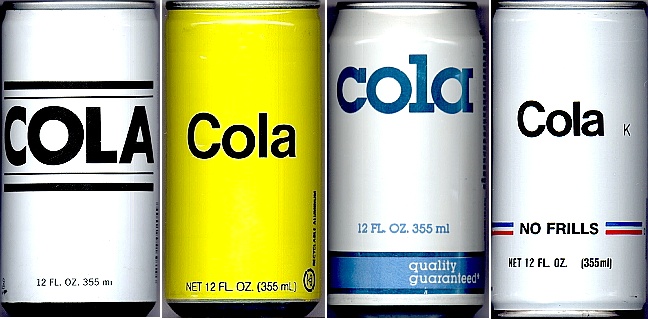
Many items have a higher price tag even though they may be carbon copies of other brands; simply because they have a popular label. Many motor manufacturers rebrand imported products to sell the same thing for a higher price. Many clothing manufacturers do the same. So if you can swallow your vanity and shift the ego, there really is no need to wear a label in order to look smart. If you must do, why not just buy a box of sew-on labels and do it yourself! On the shopping front, you may have to ask why you always buy Pepsi when multipak cola feeds the same need for less? Ok, so it might taste better, but it also costs… Again, if you must be suckered into wearing named brands, there are many places which sell the same things for less; and charity shops always have a nice selection of pristine labels on offer. Average yearly saving (£): £250 ($380).
The second most expensive single item on this list is a wedding. Weddings happen to most people, and most have to save for years to get what they want. However, there are always alternatives. One way would be to organize your own wedding using one of the many priests in your area. For example, I asked a Shaman to marry myself and my wife-to-be in a special clearing by a river; I created my own vows; and the whole thing came to under £400. There are many people willing to marry folks for the fraction of the price of a church service, and getting married on a beach, or in a forest – or having a themed wedding – may prove much more memorable and special. Collective saving over a church wedding (£): Over £2,000 ($3,000).
Perhaps the most controversial item on this list is the Rent vs Mortgage argument. In a lot of cases, renting can be as low cost as getting a mortgage and comes with a number of benefits. Firstly, you won’t owe £150,000 to be payable over 40 years! This means these debts wont be passed on to your next of kin should you die before you pay for the house. Renting means you can move to a larger or cheaper place as and when you like – or to a new area altogether. House maintenance should be taken care of by your landlord, and even some utility bills may be thrown into the price. If you fail to keep up your mortgage repayments, the banks will move pretty swiftly to boot you out, but many rental agencies or private landlords can often be paid much smaller sums in order to keep the roof over your head. Finally, if you are lucky enough to get help with your housing costs, many agencies will pay more to rented tenants than mortgaged individuals. Buying a house may still be seen as a good investment should the housing market go up in price – but at the moment it’s going down! – turning the whole thing into more of a gamble. Average lifetime saving (£): Variable.
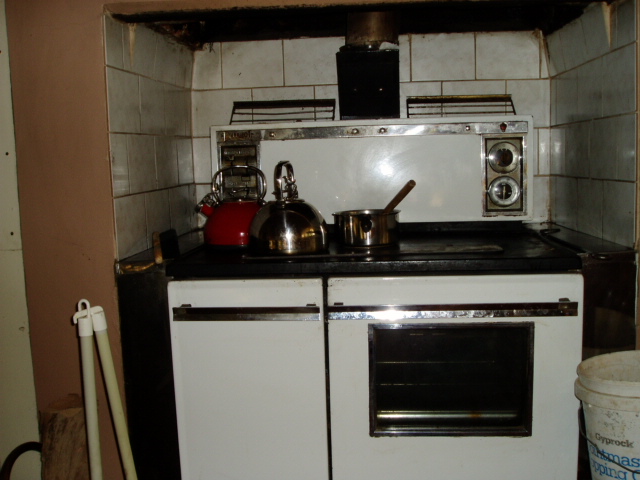
With Gas and Electricity prices rising all the time, by far the easiest way to heat a home is to go back to the old ways – with a wood burring stove. Stoves can be bought relatively cheaply, and one will pay for itself in a couple of years. Fuel is never a problem (and often free) as long as you live near a wood yard, a coppice project, a paper mill, a saw mill, or even a dump (where wood is available by the skip load). A cheap circular saw can be bought for as little as £10, and means you can chop up tables, cabinets, dressers, and just about anything else. Sick and tired of all that junk mail? Bung it in, and make it heat your home! Endless stacks of paper products?, cereal boxes?, packaging? Recycle it the original way and save the planet. Supermarkets are also a good source of material – and are usually more than willing to see the back of banana boxes and all kinds of packaging. On top of all that, a good stove burner could be adapted into the water system of your home; so you can use it to take a bath. Stoves can also be cooked upon too!. Finally, they are great for giving a home that natural heat that helps you feel drowsy and have a good nights sleep. Average yearly saving (£): Over £140 ($210)
With the advent of the Internet, technology now allows a cheaper viewing experience. If you are lucky enough to live in an area where most of the material on TV is available online and on demand, there really is no reason to pay for TV anymore. In the UK, the cost of a TV license can be over £100 a year. With a good graphics card on your computer, you should be able to connect your TV to it; meaning ANY output from your machine can be directed to play on the big screen with the touch of a button. This also means that your television watching habits can be tailored to your own on-demand needs, and you won’t be paying for all those waste-of-time shows which clog many networks these days. Finally, with the advent of shared downloads, you can now have your favorite shows on your hard drive and play them direct – saving you buying or burning all those DVDs. Average yearly saving (£): Over £120 ($180).
Now this had to come up at some point, but this could make a HUGE difference to your expenditure over a year. By far the easiest way to budget is to type in all your outgoings and bills in monthly columns on a spreadsheet. Below these, enter whatever income you have – and then take the outgoings amount away from your combined income. Hay presto! Your disposable income pops up at the bottom. Budgeting a whole year in advance can show you what shape your bank account will be in during the months to come; helping you save more if things look tight, or to afford those little luxuries without fear of going into the red. A budget can also help you as you tinker with the figures – shaving money off here and there – allowing you to maximize whatever money you have available to you. Average yearly saving (£): Unlimited.
On several occasion I have house-shared as a means of cutting the house-hold bills in half. A paying guest can ‘lodge’ for any price you set – and many are happy to pay as much as you would pay to rent the house on your own. Similarly, many are willing to split the rent and the bills; resulting in a very much less expensive way to live. Of course, house sharing does have a few drawbacks; such as privacy;
but at the end of the day it’s up to you whether you want to keep them or to send them on their way. House mates can also be very good company, very good partners on a night out, may be great (free) babysitters, and may be a convenient way to car share. Average yearly saving from a house-share (£): £3800 ($5,800).
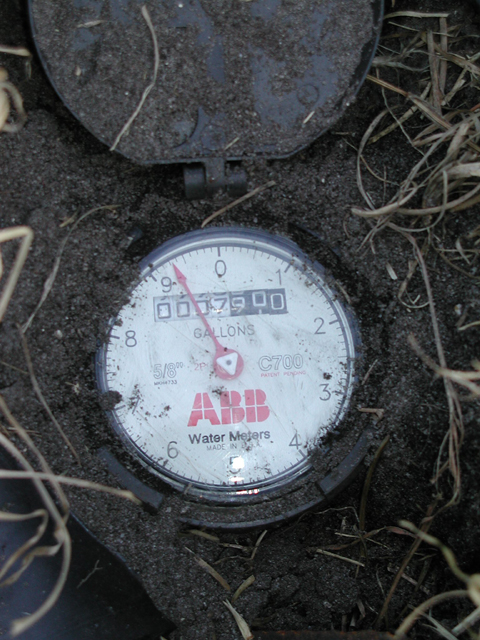
In some parts of the world, water bills are calculated on the average usage in your community, or at least on your block. That is fine if you use as much as everyone else; but not so good if you live on your own or prefer to smell nasty from not taking baths! For singles or students then, having a water meter installed could save you a small fortune as it means you will only pay for what you use. So, by not washing the car, or by doing the dishes in a bowl rather than in a dish-washer, or taking showers instead of baths – you can save on your usual water bill. For quite a few household jobs – such as watering the garden and washing the car – the water you need comes from the sky – for FREE – and is worth collecting if you have a water meter. Average yearly saving (£): Over £120 ($180).

Running a car can be a very expensive business, so fuel economy can be an easy way to save those extra penny’s. First of all, keeping your car in shape is by far the quickest way to start saving. For example: ensuring the tires are inflated to the correct PSI and have plenty of rubber, changing the air and oil filters, removing excess weight, and driving carefully; can mean your fuel can last at least 10-20 MPG longer. Race starts, revving the engine, and driving over 70MPH (112kph) uses up fuel quickly, and could only result in saving you minutes at the other end. The best speed for fuel economy is 56MPH (90kph). Buying a diesel or a car with good fuel economy (over 50mpg) is also a big consideration, and could cut the average fuel bill by half over a year. Car sharing is great as it means you are sharing the cost of driving between you, and if you alternate between each others cars it could mean you are traveling half as often in your own car. Small journeys eat into your fuel reserve more than long ones because of the time it takes the car to warm up. If you reach your destination before the ‘choke’ switches off you will have used an extra 10% of fuel in your journey. For this reason, it is better to shop around all in one day rather than popping into town every day for little bits. If you can, walk. Walking is free, and every trip saved is an extra trip you can make on the same tank of gas. Average yearly saving (£): Over £100 ($150).
Now this might sound obvious, but eating take-outs can be far more expensive than eating your own home cooked meals. Take-outs; although often very tasty; can contain materials which actively make you hungrier or thirstier – causing you to consume more as a result. Ordering out for food or going out for meals can really make a big difference to a shopping budget, and can turn one of life’s greatest luxuries into a taken-for-granted habit. Saving take-outs for special days (i.e. Saturdays) and special occasions can make the experience even more exciting, even more sumptuous, and a whole lot cheaper. Average yearly saving by eating less take-outs (£): Over £120 ($180).
If saving on food is a little beyond your comfort zone then this next classic will have you screaming. With the credit crunch propaganda infiltrating the airwaves of late, many are left wondering how they will afford the basic household bills. One way is simply to economize on life’s luxuries – and by far the most common (and most expensive) luxuries are those concerning cigarettes and alcohol. For example, if you were to smoke 20 cigarettes a day, your yearly expenditure may average around £1800 ($2,800). If you were to cut down from 20 cigarettes a day to 10, this would go down to £900 ($1,400, a saving of £900 a year – or x30 fuel bills!). 7 cigarettes a day, and the cost goes down to around £550 ($850) a year; quit smoking and you could save the full £1800 ($2,800). Alcohol is very similar in that a single night out may cost anywhere between £20 and £60; so by going out just once a week less often; you could save between £960 (1,470) and £2880 ($4,400) over a year. Average yearly saving after quitting drinking and smoking (£): Over £6,660.
There are many ways to cut the shopping budget down to size. For starters, choose your shops carefully. If it can be ordered and delivered cheaper online (i.e. hard goods, media), this could save up to 50% on retail prices. As far as food goes, one supermarkets’ prices may not be too unlike anothers’, but there can be huge saving to be made if you are willing to shop around for the basic items. Convenience stores often hike their prices thinking that consumers will shop there anyway and swallow the difference. Milk, for example, may be a third more expensive at your local shop or gas station than it may be at a superstore. Over the year, these expenses mount up. However, if the price of a cheaper loaf of bread would cost you more in gas money to drive over and pick one up, then this would be false economy in that it would cost more overall for the same result. Average yearly saving (£): Over £480 ($).
Finally, why not maximize your income by eating healthily! Contrary to what you may think, eating veggie is very VERY cheap, and a full weeks worth of food may cost from as little as £10 ($15) a head. By far the cheapest way to have the best quality vegetables for your pot would be to grow your own. For the price of a packet of seeds (or a few carrot tops and sprouting potatoes) you can grow and rotate your stocks to provide an endless free supply of basic foods. A good steamer unit, an oven, and a magimix (for soups) will also save hours of gas or electricity bills as neither of these use too much juice to run. Eating veggie doesn’t necessarily mean avoiding meat – that’s up to you – you don’t have to be a vegetarian to eat veggie! Meat, fish and chicken can be used as you like, along with eggs, cheese, sauces, pickles and spices. The point is to avoid shopping for pre-packaged foods; in whatever variety they come; and simply eat fresh. Aside from fresh being far less expensive (even totally free!), fresh also contains far less additives, comes with far less packaging, and is FAR more beneficial for the mind and body. Average yearly saving by growing your own veggies (£): £900 ($1,400) per head.
Summary: So there you have it. If you invest in a good budget and a wood burning stove to heat and cook on, get a suitable house mate, cut down or cut out the cigs, booze and the take-outs, get a water meter, don’t pay for TV, and grow and eat veggie – you could save a fortune. I did all the above, and although I didn’t sacrifice too much of my social life I still managed to save… £12,700 year-on-year ($19,500).
Contributor: Lifeschool


After reading this list, a thought came across my mind;
Would it be smart to buy a hybrid car?
would the extra cost be worth the discount in gas?
for that matter what about a fully electric/water car?
(Yes, they do exist, but I don't blame you for not knowing it).
I did this math when US gas prices went over $4 a few years ago. It almost always makes more sense to by an inexpensive, efficient car. A small car that gets 35-40 MPG will cost on average 15K less than a hybrid. Assuming the Hybrid gets 50-60 MPG, It would have taken me 22 years to make up the 15K difference. Buy a small, efficient gas car
Tentacled guns, g, pity I’m always broke tho.
Budget,budget,budget…..and eat in.Great list.
Good list, never had a problem budgeting. I don’t think I can stop buying pepsi though, it just tastes better than all that other stuff, coke included. number 12 may take a little convincing >.>
I love learning about new ways to save money!
I really prefer generic “cola” – it has the real cola flavor that both Pepsi and Coke no longer have. I think they both “dumbed” down the flavor to make them appeal to a wider audience.
I hate to tell you this, but I worked for Shasta and we made those no-named sodas for the bigger supermarkets. Coke and Pepsi do too, as a matter of fact. The no-named brands ARE in fact the very same product…
Haha, DEFINITELY not going for #12!
I just bought my first house and I use a coal burning stove which is even cheaper than wood. It gets so hot I have to open the window with sub freezing temps in order to get comfy. It’s a lot of work but I love it! Budgeting should be ALWAYS be done no matter the situation.
cparker: I am envious! Is it an AGA? I have ALSO just bought my first house and while it has gas hot water, the stove is electric (yuck) – but there is a wood burner in the drawing room so all is not lost
Full opinion: I do most of these, and I’m still poor:(
On the other hand, I am only poor in that, in the the process of saving, I have grown a greater appreciation for what things cost and therefore find less things worth paying for. Plus I splurge on toys, books, and clothes for my daughter. Plus nights out with my friends.
Yeah, so… I’m still poor
My theory is, you can do all the math you want, but little things will always chip away. I eat a practically exclusive veggie diet, but it actually gets quite expensive. You know why obesity rates are so high in my country? Bunch of Asparagus: $2.98. Box of Mac & Cheese: $.59. Because we procure most of our produce from far, far away, they’re still quite expensive, and not very good. Even our so called “local” produce shops feature produce from several states- or even countries- away. I’d love to grow my own produce if I weren’t following #11. I had room for strawberries and basil on our porch, but it was still more expensive than just buying it.
You know what is nice about living in an apartment complex? Collective heat. We live in the center of the building, we rarely turn on our thermostat.
I suppose I’m bitter that I don’t often find ideas I haven’t heard of. How about buying discounted meat and freezing it in individual portions? Ditto giant pots of soup. The cheapest meal I know is a filled baggie of pre-made-in-a-massive-pot frozen soup and a little water or broth… I have yet to meet a soup that didn’t work well in this arena. (Split Pea Soup: 4 cups split peas, 4 cups broth of choice, one pack bacon, one medium onion, half stick butter, pinch salt, double pinch pepper, immersion blender when peas are tender, double as necessary, promised deliciousness.) Make your own bread. Go through your house and organize what you have(I can’t tell you how many doubles I have bought thanks to bad organization). As far as vices go, either quit or roll your own, or drink before going out (provided you’re not driving). Getting off your face at a bar: $100. Getting *****ed at home: $10. Teach yourself not to spend money with your friends. Quit any beverage but tap water (give it a couple weeks, you won’t look back). Visit the library. Learn to hang out in the dark when the sun sets. Learn how to make your favorite eat out foods at home with a minimum of ingredients (Egg Rolls: Wrappers, Cabbage, Bean Sprouts, Green Onions, Ginger Powder, Meat, Oyster Sauce, Canola Oil). Learn to multitask your favorite foods (Spinach: Club Spinach, Spinach Salad, a variety of Soups, any number of Main Dishes).
Long story short: good list, but more please! Maybe I’ll submit one myself…
flibbertigibbet: your comment on discounted meat and giant pots of soup strikes a chord with me – that is exactly what we had in my childhood and what I try to do now – I will occasionally splurge on a posh dinner, but most of the time I will try to do the very things you describe. And making your own bread is a brilliant idea – you get cheap bread, you get the best tasting bread, and you get exercise in the kneading!
I also always drink before I go out – it is very disturbing when you realize you have to pay 30 for a bottle of wine that you know only costs 10 at the liquor outlet.
Oh – and please do submit your own list – I am very interested in frugalism and am therefore very keen to present more of the same here.
Regarding to number 13 about the labels:
I used to spend my summers working in a factory that produced different kinds of meat products and they used to pack the exact same stuff under several labels.
The factory’s own label would cost considerably more in the shops than the other ones. The insides were and still are exactly the same!!!
Saruka: I have heard of that happening – I am sure with so many products that the plain labelled food is the same as the fancy stuff. The same is true with clothing labels.
No mention to buying bulk?
With dry goods like noodles and rice that don’t go bad, it’s best to buy a gigantic amount at a cheap price and live off it forever. :p On a related note, preparing giant meals and freezing them saves time *and* money. When I could grab a nukable casserole on my way out the door, I was less inclined to buy lunch than if I stuck with boring old sandwiches.
Oh, and laundry in cold water is also a big saver…
In university I followed quite a few of these out of necessity- and was still too broke to do anything most of the time.
Along the same lines as Saruka’s comment- I have a friend who worked in a Sally Beauty Supply shop. She told me that many of the high end hair care companies also make the generic label products, they are just packaged differently.
Informative list thanks – Im married to a Scots women and she knows how to cut corners when the time arises, I have never seen her in overdrive though, heaven forbid.
Where we live coal and wood stoves are a big no – no
I recall on my school holidays visiting the farm my grandmother used to make candles and soap, as they say if their is a will their is a way.
this might as well be called how to live a paranoid life.
Unfortunately for us Brits, you still have to pay for your TV licence whether you watch it or not! If you have a TV and don’t want to be fined £1500 pounds, you have to cut the plug off…
Unlike many of my peers I ALWAYS pay off my credit card bill at the end of every month. If I want something I save up for it! I have my own mortgage free inherited home. I’ve been here 14 years and have saved up for and refurbished one area of the house at a time, be it bathroom, kitchen or even a new roof! My only borrowing is a 0% finance car loan.
I guess it was too PC to put on here, but don’t forget what our ancestors did. Hunt for food.
I had a great meal Friday of deer meat with rice and beans. And learn how to gut a fish if you live near the ocean or a river.
I have to call out your logic on number 11.
to be sure, renting makes more sense for some people. I do, however, find it funny that your rental picture is a very nice house. Generally speaking, renting a house, and in many locales, even a condo, will cost no less than purchasing that same property, and in many cases, will cost more. apartments are generally cheaper, but again, that depends on locale.
the real answer is that it is up to personal choice. if you’re not settled, and planning on moving in the short term, then several of the arguments you make are valid (weak housing market, short notification window to move). but if you’re planning on staying in the same location for any period of time (greater than 5 years) it almost always makes more sense to buy.
Wow, £139.50 a year to own a tv. Had no idea there was someplace that taxed owning a tv. =(
Roguehertz the TV License money pays for all the BBC services. These include TV channels, Radio channels, Web and Iplayer, where you can watch TV shows online after they have been shown People do complain endlessly about the license fee but when you see what their main competitor has to offer, ITV thank god for the BBC!!
“With the credit crunch propaganda infiltrating the airwaves of late?”
What a load. The only real credit card propaganda comes from idiots who use credit cards to live beyond their means and then blame the credit company for their problems. It’s called personal responsibility, learn some you deadbeats!
Wow, my dyslexia kicked in there and I miss read that sentence, as “credit card” instead of “credit crunch”! Sorry about that! On this we agree, the media is making this out to be way worse than it is.
Good list, but the only problem is with #10. Crude oil, heating oil, and natural gas prices have all been plummeting in the past few weeks, with some of them near their all time lows. Besides that though, good tips.
HEY! Very interesting and honest comments to this (my/our) list! Thanks also to JFrater for his servicing of it. First of all, I love the ideas. I too only drink water (as tea/coffee/alcohol/soda are in fact dehydrating sources); so thanks for reminding me: average yearly saving (£) Almost unlimited! Love the bread idea. I also rent, but I have a nice big garden to play in. Quite a few veggies grow by planting a full-grown product (i.e. carrot, potato, strawberry, lemon pip) straight into the ground.
Although the graphic for a wood burner looks a bit like an aga, typing ‘wood buring stove’ into google images will put you in a better light as to what I use here. It isn’t connected to the water supply, but I have cooked on it.
9. flibbertigibbet – you sound like you found out the hard way – but yes – you must write a list of all the things I have missed.
17.Ginger – yes, or a frugal life of being content with what one has, and by the same token, with what one does not have (or need). Keeping up with the Jones’s is an endless road; and there is also no point in worrying needlessly that one does not have enough to survive – you can survive! – we all get by.
18. Boylio – ah, I was waiting for this to come up. In fact, the TV licence in the UK only requires one thing; that a signal be connected to your TV – i.e. satalite, cable, *****ogue or digital aerial. So I rang them up and told them that although I have an aerial on my roof, that it is not connected to my TV in any way. A man came round a few weeks later to make sure I wasn’t telling porkies. I still have a TV for playing games, watching dvds and watching the shows on the net – but when the guy could see no signal coming though channels 1 to 5 he admitted I was not receiving a ‘signal’ through my TV. I got £65 refund and now I don’t pay for TV. It’s a case of not being fooled by their propaganda. It IS legal to have and own a TV… freely… really!… as long is it isn’t connected to the matrix.
19. Posy – well put! Don’t owe money by not borrowing it!
Timely list, thanks Lifeschool. I must disagree with the wood stoves and fivestring63 #20, hunting for food. It’s OK, even beneficial for a small number of people do this, but it would be an environmental disaster if millions of people do it. Check out Easter Island sometime and discover what happens when you burn all of the wood and eat all of the animals.
28. YogiBarrister: Good point but the matter of coppicing works in a different way; according to wikipedia: “Coppicing is a traditional method of woodland management in which young tree stems are repeatedly cut down to near ground level. In subsequent growth years, many new shoots will emerge, and, after a number of years the coppiced tree, or stool, is ready to be harvested, and the cycle begins again.
Typically a coppiced woodland is harvested in sections or coups on a rotation. In this way, a crop is available each year somewhere in the woodland. Coppicing has the effect of providing a rich variety of habitats, as the woodland always has a range of different-aged coppice growing in it, which is beneficial for biodiversity. The cycle length depends upon the species cut, the local custom, and the use to which the product is put. Birch can be coppiced for *****s on a three- or four-year cycle. In the case of hazel the poles are harvested approximately every 8 years and converted into a wide range of products.”
#
25. Sharki – November 30th, 2008 at 9:37 am
Wow, my dyslexia kicked in there and I miss read that sentence, as “credit card” instead of “credit crunch”! Sorry about that! On this we agree, the media is making this out to be way worse than it is.
*******
Sharki-
I’d have to disagree. the media is painting the true picture for some people. true, it is not as bad as it seems for a lot of people. but for some (those nearing retirement, and those who have been living right at, or over their means) it is a very serious problem.
I have to disagree on the renting vs. mortgage aspect. The catch there is to consider short vs. long term. In the short term, roughly five years and under, renting is cheaper. After that, the house is generally a better investment, because you own some of it and can sell it. More importantly, on the long term side, is that in 30 years (or less, depending on your payments and whether you put in more) you own it. That means your monthly payments go away, and all you have to worry about is taxes and insurance (and believe me, those would be counted in for rent as well.) The advantage of this long term view is that you have a dramatically decreased monthly cost that may come right before you enter a time of limited income.
Of course, I’ll also add this. After 30 years of renting, you have nothing. After 30 years of mortgage, you have a house.
“Check out Easter Island sometime and discover what happens when you burn all of the wood and eat all of the animals.”
So, if we burn all the wood and eat all of the animals, stone heads will magically appear?
Does the UK have a completely different set of grammar rules, or does this author just make up his/her own as he/she goes along?
I think most of these are just common sense. It was interesting to see someone FINALLY mention smoking on a list of how to save money. I do not care for smoking at all, but even if I did, there’s no way I would spend $3-5 a day on cigarettes! That extra money can really add up.
Cool! should be helpful
Corey: can you give a specific example of grammar from the list that seems odd to you?
this is my kinda list.
#1: sell drugs
Corey: Yes I type in what I feel like at the time. Nit-pickingly revising grammer and spelling errors for the sake of english purists is my kind of hell; so I just send in my ideas and let jfrater sort it out.
37: Viewarandomlist…: been there, done that, certainly NOT worth the hassle; this list is about how you can SAVE money rather then earn it – unless of course you mean ‘grow your own’; in which case, well….
Better to live a life filled with non stop fun and face an end filled with misery.
Than live a life filled with misery and die knowing you wasted your whole life not living how you wanted to.
I’d rather enjoy life and not amount to anything in the end;
than amount to something and never have enjoyed life.
Brutally_Honest: that is certainly one way to look at it. I subscribe to the ‘Money doesn’t necessarily buy happiness’ – ‘Life is what you make [of] it’ philosophy.
Unfortunately, #10 doesn’t work in our area. We have mandatory “spare the air” days where you get fined if you burn anything. No fires in the fireplace (or stoves) allowed.
The best thing about the TV license is you pay different more for a color tv.
Carrie, where are you that they have that ridiculousness? What about people that don’t use any other heat source?
Good list. Very, very funny too. You know what else you can to learn to cut down costs? Grow up poor!
) I am speaking from experience.
)
I am well off now, but my childhood and teenage years have made me extremely cheap. With no exaggeration: rough living teaches you that brands are not worth paying for, when they offer the same quality as cheaper products, water quenches your thirst just as well as soda and eating healthy will reduce medical bills considerably.
These are just common sense rules, so thank you for reminding everyone!
brutally_honest: that is quite possibly one of the most selfish things i have ever heard. what about your children? (either current or future)
you should remove 15 from the list. if you are in tight economic times, a vacation should be totally out of the question.
spence: if you (generically speaking) are in debt to a credit card company, it is because you choose to purchase something at the agreed upon rate of interest. it is your reponsibility. if you can’t afford it then you shouldn’t buy it.
in college i learned this lesson by having to shell out almost 400 dollars in fees, because i didn’t pay the monthly balance, for a $35 dollar dinner. after that, i gave up the credit card as convenience idea.
Houses vs Mortgage. I suppose one of the best arguments I ever heard for not taking out a mortgage was from a comedian who said “By the time you have payed off the banks, you’ve bought three houses just to live in one.” Yes, the rent vs rates may be fairly equal; but the interest after 30 or 40 years is likely to be more than the house is worth!
If you can save $500 a month, simply wait 20 years and buy a house OUTRIGHT. You get the same priced house (totally yours in half the time); and you could save hundreds of thousands overal.
Veggie prices: where I live, if you were to eat veggies alone (without extras), you could live for as little as £6 per head per week. However, as a topic for a future list perhaps, the very cheapest meal OF ALL TIME would be the equally organic Beans on Toast. Beans: 10p per can, Toast: 30p per loaf. So seven tins of beans and a loaf (x14 meals) would cost me £1 a week…….
As far as #6 is concerned, modern efficient dishwashers actually use slight less water than by washing by hand (given average hand-washing techniques.
I enjoyed this list, although most of the items aren’t relevant to me just yet. One thing it has convinced me to do though is to start running a monthly budget!
As to # 10: Wood burning stoves…
I just wanted to point out that banana boxes (at least in the Americas) are covered in a poisonous coating to repel and kill off banana spiders, which have a deadly bite. The banana growers would be held liable if a live banana spider were to bite a produce clerk. I learned about this coating the hard way by burning some in my fireplace just to get rid of them… I had to open all the doors and windows for hours in the dead of winter and take my pets out to the car so they wouldn’t breathe the fumes… The rest of the cardboard at grocery stores is baled and sent for recycling, which actually gives some money back to the store.
Cutting up old discarded furniture is a good idea, but again, some finishing products can give off toxic smoke. You need to be careful with what you burn.
^^ Very very sensible.
Do not under any circumstances burn anything but natural wood. The advice to burn furniture and anyother “free” wood lying around is an tremendous health hazard. Any treated wood (used for decking, fences etc.) from a hardware/DIY store all contain hazardous chemicals that can kill you if breathed. And kill you quickly and quietly. If it isnt a piece of a dead tree unmolested by industrial processes don’t burn it!
He forgot to mention buy a rifle and shoot your own meat. This does not have to include deer or elk alone. Rather can include such animals as the local cat or dog or possibly even squirrels. (the gun can be used for other means of making money as well).. You can also obtain a food source from grave robbing… this may seem extreme to some however a $5 shovel and you’re in for the winnings! He should also mention the “if its yellow let it mellow if its brown flush it down rule” I like to take this rule a step further and add the sh*t then shower rule, this saves some major money on overpriced toilet paper, and makes you feel classy when you use your shower head like a bidet.
We definitly need this these days… all my bills are waaaay to expenisive lol
I agree with renting. If you get a new job you can move closer to that job. You’ll save gas and wear and tear on your car.
If there has to be one ultimate tip, to those who aren’t screwed already it is:
Don’t get a **** job. Yeah, I said that. Make sure you get the highest paying job you can. Obviously this doesn’t mean get 3 jobs and juggle them like chainsaws. If you have enough income, you won’t need to worry about wasting money. Most people think that working hard is the best way to get ahead. Well, it’s not. Working smarter is the way to do it.
lifeschool: So you’re saying, be poor for 20 years, then buy a house when you’re 40? Sounds like a crap trade-off for security. Plus, saving money in the long run is a bad idea. Inflation devalues your savings by 2% each year, as well as that, the mean price of a house or land is always increasing. So by the time you have enough money to buy the house you were looking at, it’s worth a hell of a lot more, and your money is worth a lot less. Like I said above, if you want to own your house, get the best job you can, which may mean sacrifices. For example, let’s say an average house over here is $450,000. I can get a job that pays about $120,000 or more p.a. This also includes accomodation and travel, then I can save about $80,000 every year which I will invest in solid assets with approx 5% return. After 5 years, I can pretty much buy a house cash. Once I have that house, it’s value will increase over time, and any further work I do will solely be on living expenses and more solid assets for early retirement.
My grandfather owned an wood stove company, and he gave a stove to each of his kids, including my dad. We have it in our basement now, but can’t use it because it works too well it heats the basement to 90 degrees like it’s nothing, for very little wood. If you get a stove, make sure that your space is big enough for it!
One thing my grandfather learned though, was to never burn the wood from pallets (like forklifts use). It gets so dry from exposure that it burns incredibly hot. The one time he did burn it, the 300 pound cast-iron stove started glowing cherry-red it was so hot.
That was scary day.
I was wondering about #12. What lvl was the Shaman? >:P
#9 tv is not legal. In the UK, you have to pay for a tv licence if you own any equipment capable of showing a signal, this includes both tv’s and computer monitors i.e. you need a tv licence even if you don’t own a tv but own a laptop.
^^ You have been misinformed. See No#27.
I have to figure out how to hook the cable to the TV… That would be a healthy saving for my family! And I didn’t think eating veggies would be cheaper, but this is the second time I’ve heard it in as many days. Thanks for the tips!