
 Weird Stuff
Weird Stuff
Weird Stuff  Mysteries
 10 Tragic Disappearances and Deaths in Joshua Tree National Park
 History
 10 Ways Childhood Really Sucked in the Old West
 Music
Music 10 Name Origins of Famous Bands from the 1990s
 Religion
 10 Biggest Turnarounds by the Catholic Church
 Weird Stuff
 10 Unbelievable Times Laws Had Unintended Consequences
 Humans
 Ten Historic Women Who Deserve Way More Credit Than They Got
 Movies and TV
 10 Films That Spawned Major Lawsuits
 History
 Ten Times Towns Were Wiped Off the Face of the Earth
 Creepy
 10 of the Most Disturbingly Haunted Public Houses in the UK
Weird Stuff 10 Niche Subcultures That Are More Popular Than You Might Think
Mysteries 10 Tragic Disappearances and Deaths in Joshua Tree National Park
History 10 Ways Childhood Really Sucked in the Old West
Who's Behind Listverse?

Jamie Frater
Head Editor
Jamie founded Listverse due to an insatiable desire to share fascinating, obscure, and bizarre facts. He has been a guest speaker on numerous national radio and television stations and is a five time published author.
More About Us
Music 10 Name Origins of Famous Bands from the 1990s
Religion 10 Biggest Turnarounds by the Catholic Church
Weird Stuff 10 Unbelievable Times Laws Had Unintended Consequences
Humans Ten Historic Women Who Deserve Way More Credit Than They Got
Movies and TV 10 Films That Spawned Major Lawsuits
History Ten Times Towns Were Wiped Off the Face of the Earth
Creepy 10 of the Most Disturbingly Haunted Public Houses in the UK
10 Great Cheeses You Should Try
Cheese is one of the most eaten foods in the world. There are thousands and thousands of varieties, but sadly, because of economies of scale, people can go their entire life without having tried some of the rarer cheeses. This list contains cheeses that you can find without too much searching, and many are probably tucked away in a corner in your local supermarket already. This can be your stepping stone to trying all the cheese of the world, so without further ado, let’s start with number 10.
10
Pecorino – Italy
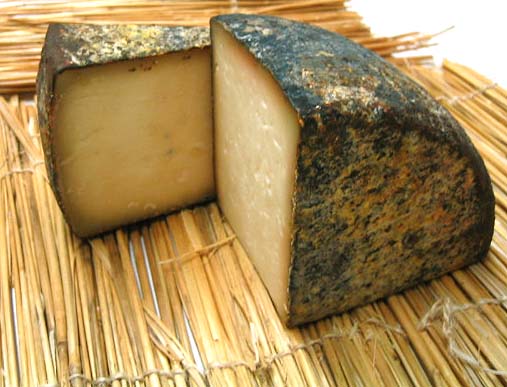
This cheese was first made roughly 2000 years ago in the countryside surrounding Rome. Most of it was made in the region of Latium in Italy. In 1884, the city council began to prohibit the salting of cheese inside shops, so most of the makers moved to Sardinia. It’s made exclusively from Sardinian sheep. To make it, the cheese is curdled, salted and then pressed into molds, to which it sets. The pressing removes most of the moisture, making it very hard. It’s got a great rich flavour that can enhance any meal where you would have used standard cheese. This cheese is great eaten alone sliced into small cubes, or grated onto pasta. There are a few varieties of this cheese, which differ slightly by region.
9
Camembert – France
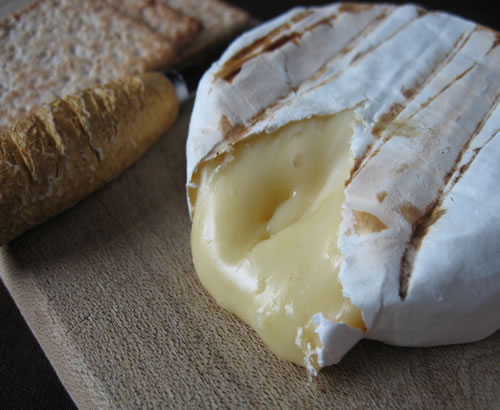
Camembert and Brie are like brothers, with Brie being the older one. Both cheeses are made from unpasteurized cow’s milk, which is then curdled, and placed very carefully, into molds. The cheese is then left to set, and turned over without pressing. It’s this unique process which gives the cheese a soft texture. The moulds Penicillum Candida and Penicillium Camamberti then ripen these soft round cheeses for a few weeks. These moulds give the cheese a characteristic hard white coating on the outside, while the inside cheese remains soft. Camembert is a bit softer on the inside than Brie. Camembert took the spot on the list, simply because it’s ever so slightly more unique.
Marie Harel who was a farmer from Normandy in France first made Camembert in 1791. She heard about a cheese called Brie from a priest who came from that area, and developed her own version. Originally when Camembert was made, the outside was a blue/grey colour, but as manufacturing techniques changed to accommodate mass-production, this changed to a pure white mold. This cheese is best eaten on crackers, or my personal favourite, served sliced with spicy steaks.
8
Gruyère – Switzerland
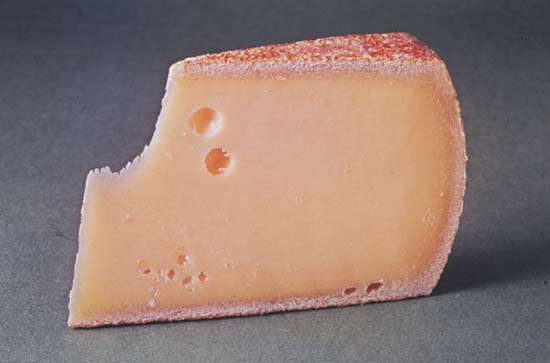
Gruyere is named after the town of Gruyere, in Switzerland. It was first made in the 12th century. It is made to a fine process, where it’s curdled, sliced into tiny pieces and then agitated. This is then cooked at a low temperature to release some more moisture. The cheese is placed into molds, and washed with brine, then left to ripen. The bacteria inside the cheese produce bubbles of Carbon Dioxide, which give the cheese characteristic holes. This unique process gives the cheese a lovely hard texture, and a nutty flavour. Gruyere was the centre of controversy (as far as cheese goes anyway) before 2001, where similarly styled French cheeses were using the Gruyere name. This has been settled with an AOC status as a Swiss cheese only. Gruyere is best served sliced thin, or grated with salads or pasta. Its nutty flavour means it’s great by itself or as a subtle flavour with other food.
7
Mascarpone – Italy
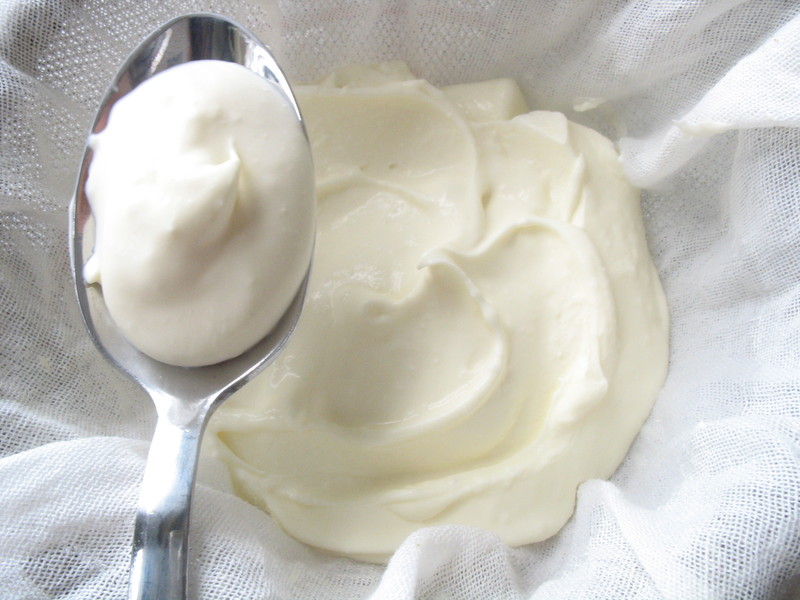
Mascarpone is a cheese that was originally made around about the turn of the 16th century. It’s a triple-cream cheese, which means it contains at least 75% butterfat. This is something you may not want to replace your other cheese with immediately. Mascarpone is made from heavy cream, which is heated, to 85º C and then tartaric acid is added to it. This mixture thickens, and is refrigerated for 12 hours, and then it is strained to remove further whey. Mascarpone is a spreadable, thick ivory-coloured cheese, with a rich flavour similar to that of cream and yoghurt. It’s one of the main ingredients in Tiramisu, but it’s overpowered by other flavours mostly. Mascarpone is best served chilled, with a bit of sugar stirred or sprinkled on. Or it can be used in place of cream on desserts.
6
Red Windsor Cheese – England
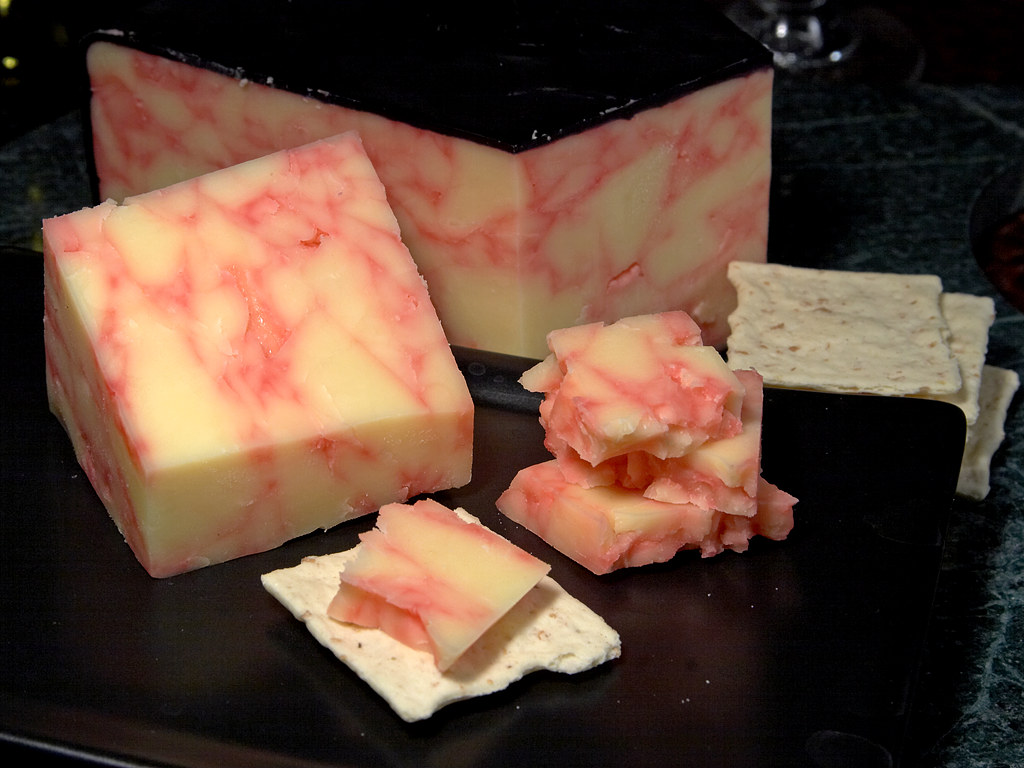
It’s red! I actually put this cheese on the list because it’s red. I saw it in a shop one day, and I was amazed that someone had decided to make cheese in other colours. Red Windsor Cheese is made very similarly to cheddar cheese. First the milk is curdled, and then the curd is allowed to set a little bit, then the curd is sliced into small cubes, this sits for a period, and then this mixture is cooked and stirred for a period of 20-40 minutes. Then drained. The curds are made into lumps, and then stacked and left for a while. This is to increase the acidity. Finally, the curds are salted and mixed. At this stage, wine (usually a Bordeaux or Port) is splashed onto the curds. Then they are pressed and left to mature for a short period, shorter than normal cheddar. The cheese is of firm texture, with pink marbling throughout. It has a strong taste, with a hint of wine as the after-taste. This cheese is best served plain, with crackers, to shock your guests.
5
Nettle Cheese – England

Nettle cheese is one of those more obscure cheeses. There are two varieties. One is called Yarg, and is the older kind. This was originally made in Cornwall in England. The cheese was made normally, but before being left to mature, it is wrapped tightly in nettle leaves. The nettle leaves were originally used to help preserve the cheese. This is then left to mature for a few months. Sometimes it is even left to mature in caves, as caves have a constant humidity and temperature. As the cheese is maturing, the nettle leaves begin to grow mold on them, and they dry out slowly as the air and mold absorbs the moisture. The cheese varies from a creamy texture, to a crumbly texture. The cheese tastes mild and has a strong aftertaste in the mouth, not unlike mushroom. The mold also gives the cheese a hard edible rind on the outside, which also gives it’s own unique sharp flavour.
The other variety is more recent, and most I’ve encountered comes from Holland (also other places). Here nettle leaves are ground and added to the cheese curd before it is pressed. Then the cheese is left to mature. The nettles grow a bit of mold, and infuse their unique flavour into the surrounding cheese. What you get afterwards is a cheese similar to mild cheddar, with a unique flavour that you’ve probably never tasted that is probably most similar to cabbage. But of course, that’s only what it reminded me of. You’ll have to try it. Nettle cheese, or Yarg, are best served as a snack, either plain or with crackers or bread. Also great with Alfredo sauces.
4
Stilton – England
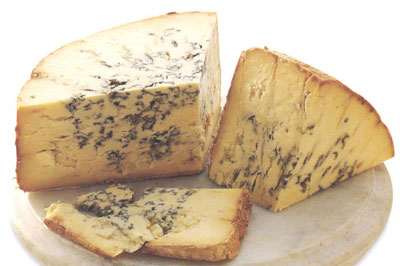
Stilton first appeared in Stilton, in 1730. A man called Cooper Thornhill from his Inn sold it to travelers. He was a cheese lover, and one-day after seeing a blue cheese that he particularly loved, he acquired the rights to exclusively market it. He did a great job of marketing it, and today it’s now the famous cheese it is. Stilton is a protected cheese, which means it has to be made to strict guidelines, which include the location it’s made, it’s shape, and the manufacturing process. Stilton is made from pasteurized milk, which is then curdled, with rennet, and the curds left to dry. The curd is salted, and then put into cylindrical moulds, and turned every so often. Then finally, the cheese is pierced with needles, which impregnate the cheese with mold, which grow and form the blue veins, inside the flaky white cheese. Stilton is a rich creamy, round-flavoured blue cheese, which isn’t too strong. It can be enjoyed with crackers, or with salads or soup. My personal favourite way to enjoy Stilton is in a BurgerFuel burger. Mmm.
3
Danablu – Denmark
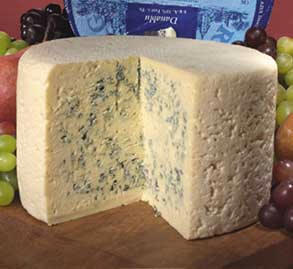
This is quite possibly one of my most favourite flavours of cheese. Danablu, or Danish Blue that comes from Denmark, is one of the strongest flavoured of the blue cheeses. This cheese is full of blue veins of mold. The cheese is a soft texture (almost spreadable), and also slightly crumbly. This cheese was invented in the early 20th century by Marius Boel, who was trying to copy Roquefort cheese, a very similar blue cheese which is made exclusively in France. Danablu from what I have seen has almost eclipsed it in popularity however, mainly because it’s easier to get a hold of. Danablu is made from cow’s milk, and before it left to age, the curds are penetrated with a sample of the mold to create the veins throughout the cheese. The cheese is then left to age for 2-3 months. Once that wait is over, we have a powerful cheese that has a strong butyric tang to it. Danablu goes best with other food, it’s a bit too strong to eat plain, or without other big flavours. My favourite way to enjoy Danablu is melted on top of some crumbed pork schnitzel.
2
Emmental – Switzerland
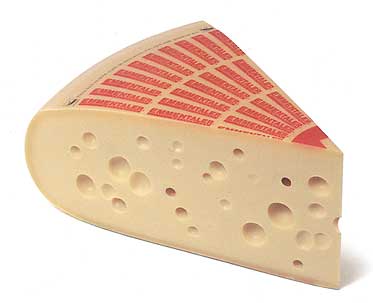
Emmental. Has a strange name. The reason it’s on this list? Because it’s the real Swiss cheese (Also Gruyere). Often when you buy Swiss cheese, too often, you’re receiving inferior cheese. Emmental is the real deal, as Erin Brokovich would say. It was first made in about 1293, in a place called Emmental near Berne. It’s pretty much the oldest cheese from Switzerland. Emmental is famous for it’s very large holes (called eyes) that fill the cheese, and produce interesting slices when it’s cut up. The cheese is a firm to a hard texture, and has a yellow colour. It has a strong flavour that can best be described as cheese flavour. The reason the cheese is full of holes, is because of a bacteria that metabolizes the lactic acid in the cheese, and releases carbon dioxide bubbles into the cheese, which slowly expand and form the characteristic eyes. The larger the eyes, the stronger the flavour of cheese. This is a side effect of longer aging and higher temperatures, which allow the bacteria to produce a stronger flavour, and more time for carbon dioxide to build. Emmental is best served in a sandwich. Then you’ll never go back to inferior cheese.
1
Halloumi – Cyprus
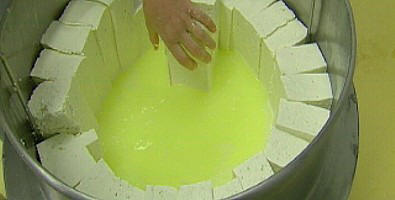
Woo! Number one! Alright. Halloumi is quite possibly the strangest of all the cheeses on the list, and quite possibly the most amazing. The thing that makes this cheese special is that it doesn’t melt. The reason for this is that the curd is heated before it’s placed into brine. The heating denatures the proteins in the cheese to make it into long fibres, which resist melting. It will actually cook instead. Halloumi originated from Middle Eastern Bedouins, or nomads. It was made because it keeps very well. Nowadays, Halloumi is made in Cyprus from goat and sheep milk. There are cheaper varieties made from cow’s milk available, but the authentic stuff tastes a lot better. The best way to eat it is to slice it thin and then fry it in a pan. The outside of the cheese will become crispy, and if you sliced it thick enough, the inside will become almost melted. It can also be barbecued. It’s great on salads instead of Feta, and it tastes great just plain. It has a strong salty taste, and has an almost greasy feel to it, sort of like eating rubber. The texture is amazing however, and has to be experienced to be understood. This is a really great cheese to have with a nice breakfast meal.
+
Afterword from JFrater

Once you have tried all of the cheeses on this list, make sure you try these three French cheese – all of which are my favorites: Roquefort – this is a strong salt blue cheese. It has a cleaner taste than Stilton and is so tasty I have to stop myself eating the whole wedge in one sitting! Next we have Pont Leveque – this is the oldest Norman cheese still in production. It is a mild soft cheese (and is often ranked with Camembert and Brie as the most popular cheese in France) and it has a mildly pungent aroma. It is great on crackers. And finally, livarot (pictured above) – a fantastic cheese which is so renowned, it has its own Appellation d’Origine Contrôlée like Champagne. It is famous for stinking – (the smell is often compared to feces or a barnyard), but the taste is smooth and mild.
Contributor: Jono
More Great Lists
 10 Demons You Should Probably Try To Avoid
 10 Medieval Recipes Eaten By Kings That You Can Try At Home
 10 Terrifying Serial Killers You've Never Heard…
 Top 10 Horrific True Crime Cases You Should Never Web Search
 10 Reasons The Coronavirus Should Terrify You
 Top 10 Things You Should Do To Prepare For Your Own Death
 Top 10 Things You Should Know About Asteroid…
 Top 10 Reasons You Should March To The Beat Of Your Own Drum
 Top 10 Bizarre Cakes You Won't See On The Great…
fact checked by
dickensgirl
More Great Lists