
 Weird Stuff
Weird Stuff
Weird Stuff  Weird Stuff
 10 Fascinating Objects Recovered from Shipwrecks
 Sport
Sport 10 Relentless Athletes Who Pushed Their Bodies to the Limit
 The Arts
 10 Iconic Works of Art That Are Still Missing
 Animals
 10 Prehistoric Killers That Make Today’s Carnivores Look Cute
 Pop Culture
 10 Riveting Raiders of the Lost Ark Spoofs and Homages
 Our World
 10 Ancient Earth Events That Sound Like Sci-Fi Plot Devices
 History
 10 Chilling Murder Mysteries from Ancient History
 Movies and TV
 10 Things You Might Not Know About the Addams Family
 History
 10 News-Worthy Events That Made 1926 a Year to Remember
Weird Stuff 10 Bizarre Alternative Currencies That Actually Worked
Weird Stuff 10 Fascinating Objects Recovered from Shipwrecks
Sport 10 Relentless Athletes Who Pushed Their Bodies to the Limit
Who's Behind Listverse?

Jamie Frater
Head Editor
Jamie founded Listverse due to an insatiable desire to share fascinating, obscure, and bizarre facts. He has been a guest speaker on numerous national radio and television stations and is a five time published author.
More About Us
The Arts 10 Iconic Works of Art That Are Still Missing
Animals 10 Prehistoric Killers That Make Today’s Carnivores Look Cute
Pop Culture 10 Riveting Raiders of the Lost Ark Spoofs and Homages
Our World 10 Ancient Earth Events That Sound Like Sci-Fi Plot Devices
History 10 Chilling Murder Mysteries from Ancient History
Movies and TV 10 Things You Might Not Know About the Addams Family
History 10 News-Worthy Events That Made 1926 a Year to Remember
Top 10 Incurable Diseases
Modern medicine has done much to erradicate and cure disease, but it has failed in some areas. Of those areas, at least one disease that cannot be cured is suffered by many people in the world every year – the common cold. This is a list of the top ten incurable diseases. As always, click the images for a larger view. NOTE: There are no graphic images in this post.
10. EbolaWikipedia
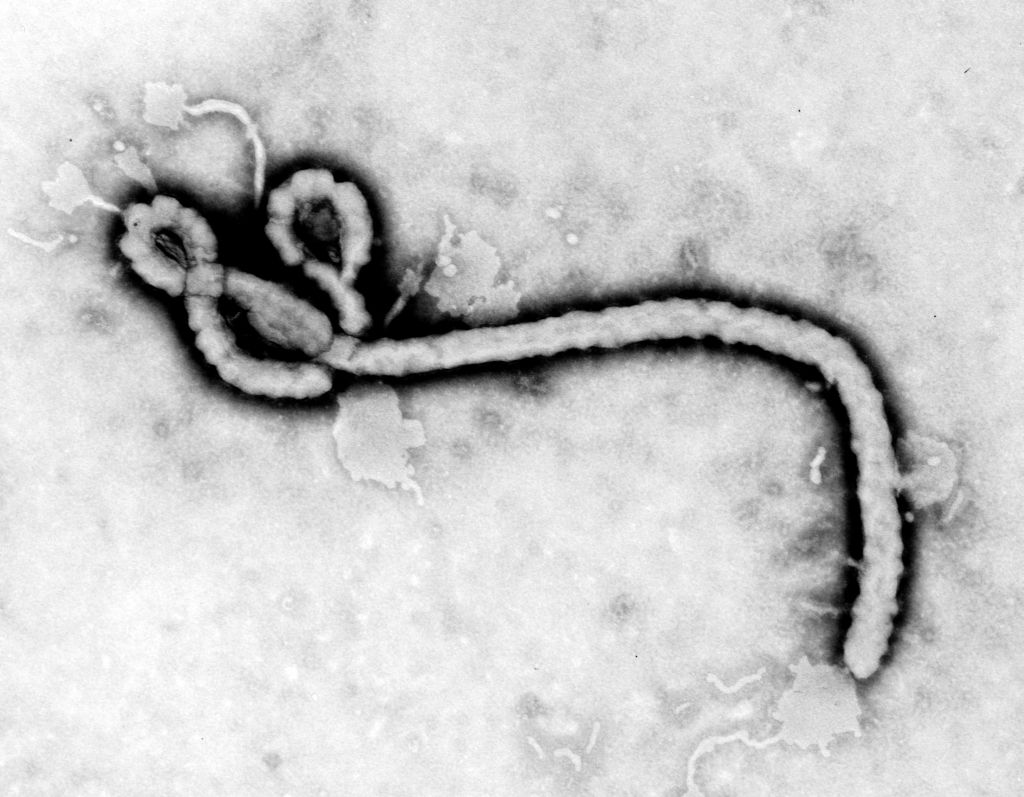
Ebola is a virus of the family Filoviridae that is responsible for a severe and often fatal viral hemorrhagic fever; outbreaks in primates such as gorillas and chimpanzees as well as humans have been recorded. The disease is characterized by extreme fever, rash, and profuse hemorrhaging. In humans, fatality rates range from 50 to 90 percent.
The virus takes its name from the Ebola River in the northern Congo basin of central Africa, where it first emerged in 1976. Outbreaks that year in Zaire (now Congo [Kinshasa]) and The Sudan resulted in hundreds of deaths, as did another outbreak in Zaire in 1995. Ebola is closely related to the Marburg virus, which was discovered in 1967, and the two are the only members of the Filoviridae that cause epidemic human disease. A third related agent, called Ebola Reston, caused an epidemic in laboratory monkeys in Reston, Virginia, but apparently is not fatal to humans.
Some diseases are simply hereditary. Some can be helped with Disease Prevention & Treatment 5th Edition at Amazon.com!
9. PolioWikipedia
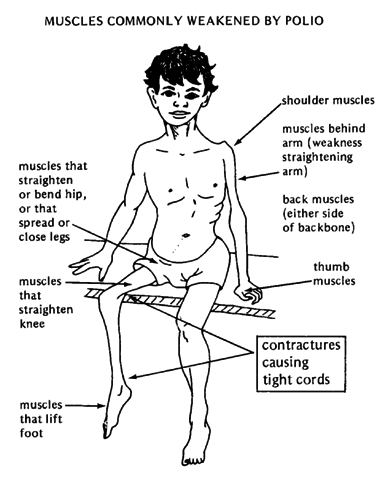
Polio is known in full as poliomyelitis – also called infantile paralysis. It is an acute viral infectious disease of the nervous system that usually begins with general symptoms such as fever, headache, nausea, fatigue, and muscle pains and spasms and is sometimes followed by a more serious and permanent paralysis of muscles in one or more limbs, the throat, or the chest. More than half of all cases of polio occur in children under the age of five. The paralysis so commonly associated with the disease actually affects fewer than 1 percent of persons infected by the poliovirus.
Between 5 and 10 percent of infected persons display only the general symptoms outlined above, and more than 90 percent show no signs of illness at all. For those infected by the poliovirus, there is no cure, and in the mid-20th century hundreds of thousands of children were struck by the disease every year. Since the 1960s, thanks to widespread use of polio vaccines, polio has been eliminated from most of the world, and it is now endemic only in several countries of Africa and South Asia. Approximately 1,000–2,000 children are still paralyzed by polio each year, most of them in India.
8. Lupus ErythematosusWikipedia
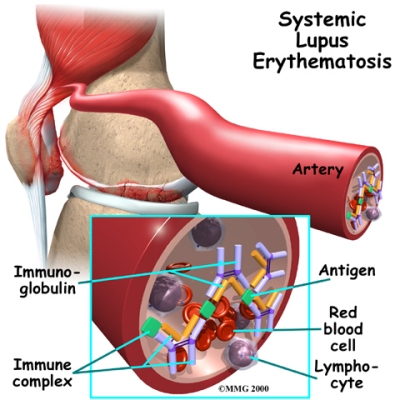
Also often referred to simply as lupus, this is an autoimmune disorder that causes chronic inflammation in various parts of the body. Three main types of lupus are recognized—discoid, systemic, and drug-induced.
Discoid lupus affects only the skin and does not usually involve internal organs. The term discoid refers to a rash of distinct reddened patches covered with grayish brown scales that may appear on the face, neck, and scalp. In about 10 percent of people with discoid lupus, the disease will evolve into the more severe systemic form of the disorder.
Systemic lupus erythematosus is the most common form of the disease. It may affect virtually any organ or structure of the body, especially the skin, kidneys, joints, heart, gastrointestinal tract, brain, and serous membranes (membranous linings of organs, joints, and cavities of the body.) While systemic lupus can affect any area of the body, most people experience symptoms in only a few organs. The skin rash, if present, resembles that of discoid lupus. In general, no two people will have identical symptoms. The course of the disease is also variable and is marked by periods when the disease is active and by other periods when symptoms are not evident (remission).
7. InfluenzaWikipedia
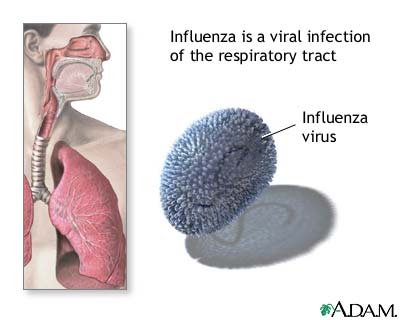
Influenza, also known as the flu, or grippe, is an acute viral infection of the upper or lower respiratory tract that is marked by fever, chills, and a generalized feeling of weakness and pain in the muscles, together with varying degrees of soreness in the head and abdomen.
Influenza is caused by any of several strains of orthomyxoviruses, categorized as types A, B, and C. The three major types generally produce similar symptoms but are completely unrelated antigenically, so that infection with one type confers no immunity against the others. The A viruses cause the great influenza epidemics, and the B viruses cause smaller localized outbreaks; the C viruses are not important causes of disease in humans. Between pandemics, the viruses undergo constant, rapid evolution (a process called antigenic drift) in response to the pressures of human population immunity. Periodically, they undergo major evolutionary change by acquiring a new genome segment from another influenza virus (antigenic shift), effectively becoming a new subtype to which none, or very few, of the population is immune.
6. Creutzfeldt-Jakob DiseaseWikipedia
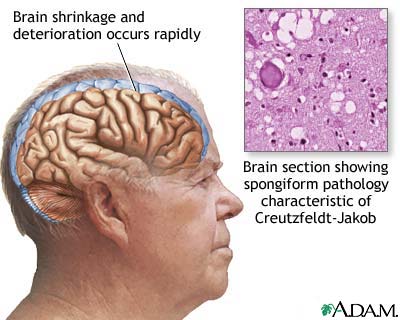
Creutzfeldt-Jakob disease is a rare fatal degenerative disease of the central nervous system. Creutzfeldt-Jakob disease occurs throughout the world at an incidence of one person in a million; however, among certain populations, such as Libyan Jews, rates are somewhat higher. The disease commonly occurs in adults between the ages of 40 and 70, although some young adults have been stricken with the disease. Both men and women are affected equally. The onset of the disease is usually characterized by vague psychiatric or behavioral changes, which are followed within weeks or months by a progressive dementia that is often accompanied by abnormal vision and involuntary movements. There is no known cure for the disease, which is usually fatal within a year of the onset of symptoms.
The disease was first described in the 1920s by the German neurologists Hans Gerhard Creutzfeldt and Alfons Maria Jakob. Creutzfeldt-Jakob disease is similar to other neurodegenerative diseases such as kuru, a human disorder, and scrapie, which occurs in sheep and goats. All three diseases are types of transmissible spongiform encephalopathies, so called because of the characteristic spongelike pattern of neuronal destruction that leaves brain tissue filled with holes.
Start your 30 day free trial of Amazon Prime Instant Video! Start Free Trial Now at Amazon.com!
5. DiabetesWikipedia
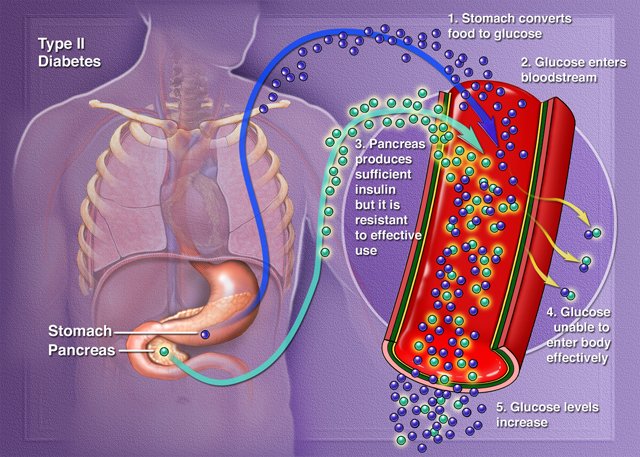
Diabetes is a disorder of carbohydrate metabolism characterized by impaired ability of the body to produce or respond to insulin and thereby maintain proper levels of sugar (glucose) in the blood.
There are two major forms of the disease. Type I diabetes, formerly referred to as insulin-dependent diabetes mellitus (IDDM) and juvenile-onset diabetes, usually arises in childhood. It is an autoimmune disorder in which the diabetic person’s immune system produces antibodies that destroy the insulin-producing beta cells. Because the body is no longer able to produce insulin, daily injections of the hormone are required.
Type II diabetes, formerly called non-insulin-dependent diabetes mellitus (NIDDM) and adult-onset diabetes, usually occurs after 40 years of age and becomes more common with increasing age. It arises from either sluggish pancreatic secretion of insulin or reduced responsiveness in target cells of the body to secreted insulin. It is linked to genetics and obesity, notably upper-body obesity. People with type II diabetes can control blood glucose levels through diet and exercise and, if necessary, by taking insulin injections or oral medications.
4. HIV/AIDSWikipedia
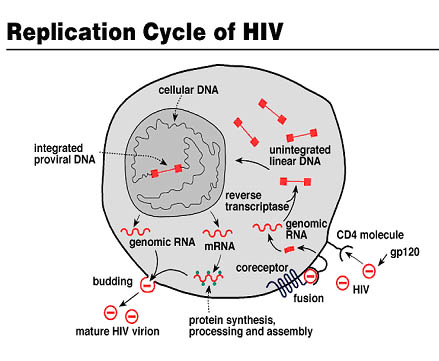
AIDS is the byname of acquired immunodeficiency syndrome – a transmissible disease of the immune system caused by the human immunodeficiency virus (HIV). HIV slowly attacks and destroys the immune system, the body’s defense against infection, leaving an individual vulnerable to a variety of other infections and certain malignancies that eventually cause death. AIDS is the final stage of HIV infection, during which time fatal infections and cancers frequently arise.
HIV/AIDS spread to epidemic proportions in the 1980s, particularly in Africa, where the disease may have originated. Spread was likely facilitated by several factors, including increasing urbanization and long-distance travel in Africa, international travel, changing sexual mores, and intravenous drug use. According to the United Nations 2004 report on AIDS, some 38 million people are living with HIV, approximately 5 million people become infected annually, and about 3 million people die each year from AIDS. Some 20 million people have died of the disease since 1981.
3. AsthmaWikipedia
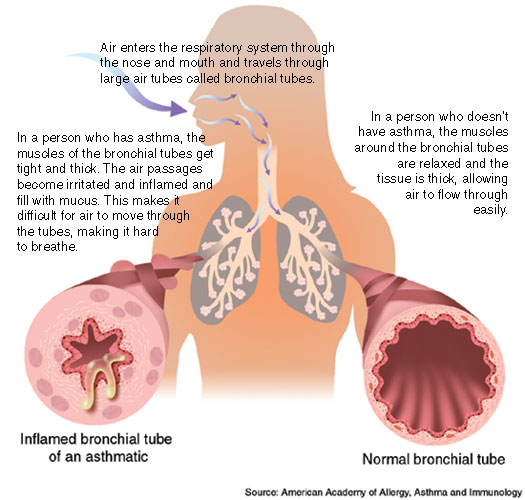
Asthma is a chronic disorder of the lungs in which inflamed airways are prone to constrict, causing episodes of breathlessness, wheezing, coughing, and chest tightness that range in severity from mild to life-threatening. Inflamed airways become hypersensitive to a variety of stimuli, including dust mites, animal dander, pollen, air pollution, cigarette smoke, medications, weather conditions, and exercise. Stress can exacerbate symptoms.
Asthmatic episodes may begin suddenly or may take days to develop. Although an initial episode can occur at any age, about half of all cases occur in persons younger than 10 years of age, with boys being affected more often than girls. Among adults, however, the incidence of asthma is approximately equal in men and women. When asthma develops in childhood, it is often associated with an inherited susceptibility to allergens, substances such as pollen, dust mites, or animal dander that may induce an allergic reaction. In adults, asthma also may develop in response to allergens, but viral infections, aspirin, and exercise may cause the disease as well. Adults who develop asthma may have nasal polyps or sinusitis.
2. CancerWikipedia
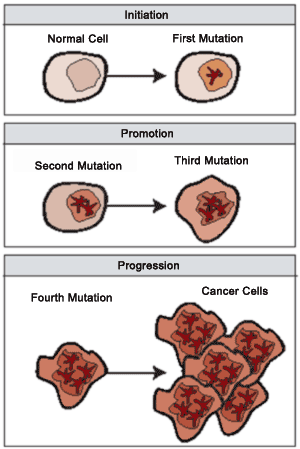
Cancer refers to a group of more than 100 distinct diseases characterized by the uncontrolled growth of abnormal cells in the body. Cancer affects one in every three persons born in developed countries and is a major cause of sickness and death throughout the world. Though it has been known since antiquity, significant improvements in cancer treatment have been made since the middle of the 20th century, mainly through a combination of timely and accurate diagnosis, selective surgery, radiation therapy, and chemotherapeutic drugs. Such advances actually have brought about a decrease in cancer deaths (at least in developed countries), and grounds for further optimism are seen in laboratory investigations into elucidating the causes and mechanisms of the disease.
Owing to continuing advances in cell biology, genetics, and biotechnology, researchers now have a fundamental understanding of what goes wrong in a cancer cell and in an individual who develops cancer—and these conceptual gains are steadily being converted into further progress in prevention, diagnosis, and treatment of this disease.
1. The Common ColdWikipedia
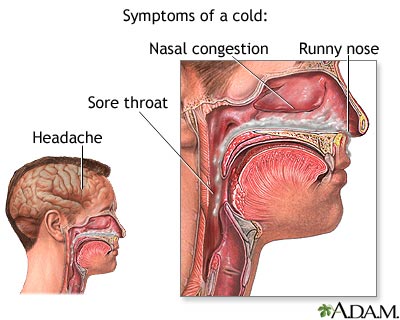
The common cold is an acute viral infection that starts in the upper respiratory tract, sometimes spreads to the lower structures, and may cause secondary infections in the eyes or middle ears. More than 100 agents cause the common cold, including parainfluenza, influenza, respiratory syncytial viruses, and reoviruses. Rhinoviruses, however, are the most frequent cause.
The popular term common cold reflects the feeling of chilliness on exposure to a cold environment that is part of the onset of symptoms. The feeling was originally believed to have a cause-and-effect relationship with the disease, but this is now known to be incorrect. The cold is caught from exposure to infected people, not from a cold environment, chilled wet feet, or drafts. People can carry the virus and communicate it without experiencing any of the symptoms themselves. Incubation is short — usually one to four days. The viruses start spreading from an infected person before the symptoms appear, and the spread reaches its peak during the symptomatic phase.
Notable Exclusions: Cystic Fibrosis, Multiple sclerosis
Technorati Tags: disease, health
More Great Lists
 Top 10 Infectious Diseases Man Has Triumphed Over
 Top 10 Dangerous Diseases Lurking At The Beach
 Top 10 Horrible Diseases that Came From Animals
 10 Amazing Ways Animals Help Us Treat Diseases
 10 Microorganisms And Pathogens That Are Used To…
 10 Diseases That Affected Dinosaurs
 10 Frightening Facts About The Mysterious Deadly…
 Top 10 Top-Level Domains That Caused Controversies
 Top 10 Best Movies From The Top Genres
More Great Lists