We have now just left the Season of Giving, a time of goodwill that is recognized the world over. While a lot of us seek willy-nilly for the perfect gift for a friend or loved one, thousands of people around the world pray that their loved one will receive the “Gift of Life”. In this day of modern science and medical expertise, many previously deadly conditions can be cured through the donation of organs and tissues by another caring individual. Through a donor’s selfless gift, quality of life can be improved, and the afflicted can be well. This list covers 10 different facets of donation and are presented in no particular order.
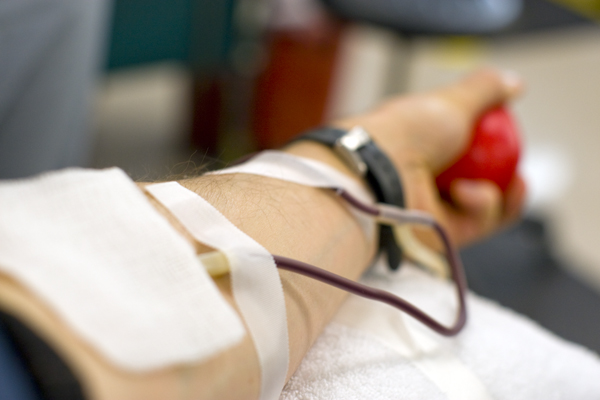
To date there is no suitable, long term, synthetic replacement for whole human blood, making donations of whole blood or platelets (apheresis) a necessity. Administered in the proper setting the procedure is very quick, taking only 10 minutes or so, but as pre-screening of each donor is required, the entire process usually takes about an hour. In the U.S., blood products are administered on the average of 38,000 units daily, and the need is expected to increase by about 6% annually, with larger demands in cases of war or disaster. Blood has a limited shelf life. The different components of blood, (whole blood, red blood cells, platelets and plasma) can last from 5 days to a year or more.
Interesting sidenote: Blood acquired in the U.S. from PAID donors cannot by law be used for the purposes of transfusion. Chances are, if you have been paid for a blood harvest, it was used by the pharmaceutical industry for the production of medications.
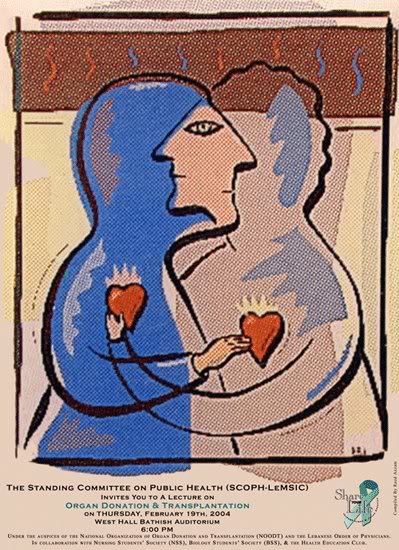
Nobody can benefit from the gift of life until permissions and releases are legally tendered. These legalities are different from country to country. In the U.S. it is considered customary for a person to verify that they wish to participate (or consent) to organ sharing, often with a DONOR sticker on the back of their driver’s license, or by preparing a “living will”. In other words, we must let someone know that we wish to share. But the norm throughout most of the world relies upon dissent , a legal understanding stating that unless an individual during their lifetime specifically denied permission to harvest, they are considered an active participant in organ acquisition. This is the norm in Spain, and some believe it is why that country is proven to be the most generous in regards to donor ratio–34 donors/million population. The U.S. comes in at the median with 26 donors/million, and Austria comes in very low at 10 donors/million.
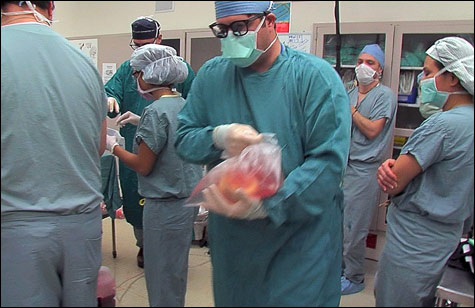
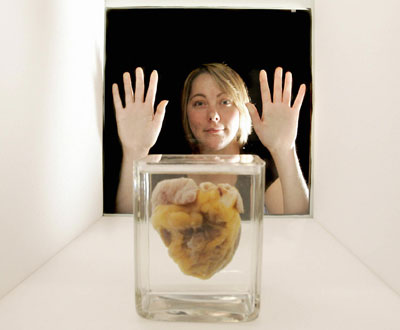
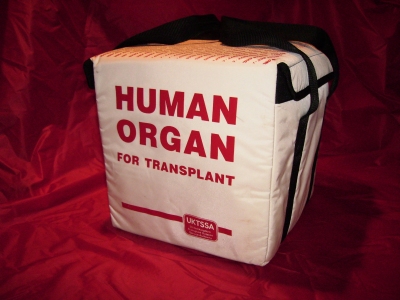
Kidneys, heart, liver, pancreas, lungs, and intestines—These are the primary organs that most of us think of when the subject of organ donation is brought up. And rightly so, these are the organs that represent the greatest need in the waiting lists around the world. These organs must be transplanted within hours, there is no way to store these organs for viable use later. Not so, when it come to tissue donation. According to OrganDonor.gov “Corneas, the middle ear, skin, heart valves, bone, veins, cartilage, tendons, and ligaments can be stored in tissue banks and used to restore sight, cover burns, repair hearts, replace veins, and mend damaged connective tissue and cartilage in recipients.” With the proper preparation and foresight, one death can help over 50 others to begin their return to health.
Two simple words, yet when used together, they seem to garner a hailstorm of controversy. A huge portion of research is being devoted to these microscopic building blocks of life, and the major contributions they can add to the medical field’s repertoire. Medical researchers anticipate stem cells to play an important role in the future treatment of stroke, diabetes, spinal cord injury, blindness, deafness, Parkinson’s and Alzheimer’s disease, arthritis and cancer. Contrary to common belief, primary harvest of stem cells does not occur from fetal tissue, but from other sources like the blood in umbilical cords. Stem cells can be harvested from whole blood by being coaxed from bone marrow through daily injections of a drug called Filgrastim.
Bone marrow transplants themselves are a stem cell transplant, yet many people who oppose stem cell research support this type of therapy in the treatment of leukemia and other conditions. Healthy adults between the ages of 18-60 can donate blood stem cells, and there are organizations world wide devoted solely to the screening and matching of such donations.
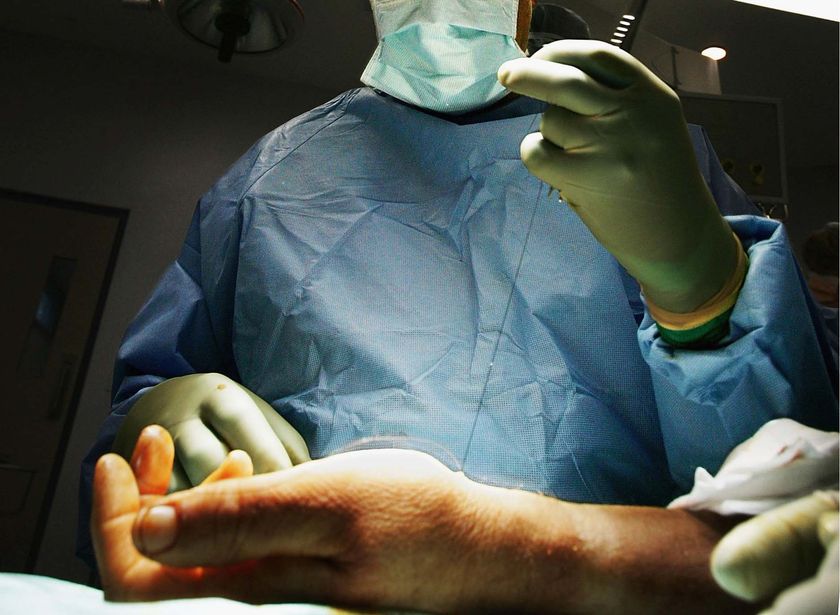
Not all donations of life giving proportions come from the dead. Easily recognized in this catagory are donations of blood, bone marrow and blood stem cells. Most of us know that we have two kidneys and can easily survive if we give up one of them. Not so many people know that you can give one or two lobes of your liver, and this miraculous organ will regenerate itself to almost full size in both the donor and recipient in a very short time. A donor can give a whole, or part of a lung, part of their pancreas or part of their intestines, and although these will not regenerate in either patient, they are fully functioning. And many a parent has given thanks to those who chose to donate their sperm or ova, one of the few types of live donation where monetary compensation for the donor is not generally considered out of line or immoral.
Interesting sidenote: From OrganDonor.gov– “Surprisingly, it is also possible for a living person to donate a heart, but only if he or she is receiving a replacement heart. This occurs only when it is determined that someone with severe lung disease and a normally functioning heart would have a greater chance of survival if he or she received a combined heart and lung transplant. As a result, the heart-lung recipient’s own heart, if it’s in good condition, is then donated to an individual who needs only a heart transplant.” Currently there are 82 heart/lung recipients on the U.S. waiting list.
In our modern and brave new world we are all coming to recognize that “all men are created equal”, but in the field of organ donation this is not always the case. Sadly, when it comes to the matter of disease and related organ failure, ethnicity plays a role in the statistics. According to the U.S. Dept. of Health and Human Services–”Native Americans are four times more likely than Whites to suffer from diabetes. African Americans, Asian and Pacific Islanders, and Hispanics are three times more likely than Whites to suffer from kidney disease. Many African Americans have high blood pressure (hypertension) which can lead to kidney failure.”
Because of these facts, ethnicity becomes one of the criteria when matching potential donors to recipients, as an ethnic match often times becomes key in the ultimate healing process and helps alleviate rejection problems. Yet oftentimes, cultural beliefs and religious restrictions make it hard for members of minorities to choose to become donors, to the detriment to those others who are fighting a life threatening illness.
Although society as a whole recognizes suicide as a selfish and misguided solution to one’s problems, sometimes there is an unforeseen benefit from this final act. In the cases where brain death has occurred during suicide, (about 3.8%), these troubled souls have made themselves potential donors. Their families grant donation rights more often in these cases, rather than in other causes of death, but research on the subject has not revealed exactly why. The majority of these cases occur in young men with an average age of 26, with relatively healthy organs.
On the other hand, legislature is currently being rewritten to try to discourage those who have a desire to give the ultimate gift to others through the act of suicide. One example of this type of suicide based donation was brought into the limelight in the recent movie, Seven Pounds, starring Will Smith. (It was this movie that inspired my research and subsequently, this list.)
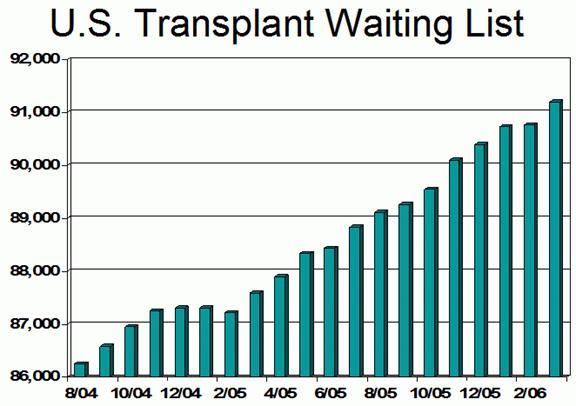
We’ve all had to wait in a line at one time or another, sometimes trying our patience to the breaking point. But no line at the supermarket or post office could be as stressful or deadly as the waiting lists for transplant. At the website United Network for Organ Sharing (UNOS), a tally of people awaiting their surgery is updated daily. As of the writing of this list the number was 104,945, with 80% of that number being those in need of kidneys. Since need far outweighs supply, waiting times can be long, from an average of three weeks for a heart to 476 days for a kidney. Lung replacement has the longest waiting time dependent upon whether one lung or two is needed. The average wait for a lung can be as long as 1068 days, just a few days shy of three years. Although the U.S. averages about 74 transplants daily, about 17 people die each day, waiting.
No lives could be saved by any of these gifts until the scientific community examined the mysteries of rejection. Since the discovery of blood groups by Professor Karl Landsteiner in 1900 scientists have continued to make monumental strides in the understanding of the human immune system. Transplant rejection has come to be recognized as the body’s attempt to repel foreign tissue, much the same way it would attack an unwelcome virus or bacteria. But since an organ is not an unwanted invader, steps are taken to insure compatibility.
Before organ donation proceeds, potential organ donors are rigorously screened on a case by case basis to ensure that risks of infection, disease, complications or donated organs being in a sub-optimal state are minimized or eliminated. Hyper acute rejection, usually the result of mismatched blood type, will occur within minutes of the surgery and the only solution is the removal of the organ. Acute rejection often occurs within one week to three months of the surgery, and is usually treated with a short course of strong corticosteroids that suppress the immune system. A bone marrow transplant can also decrease rejection, but only if the marrow comes from the same donor as the transplanted organ. Chronic rejection is a longterm failure of the organ, it is irreversible and cannot be treated effectively.
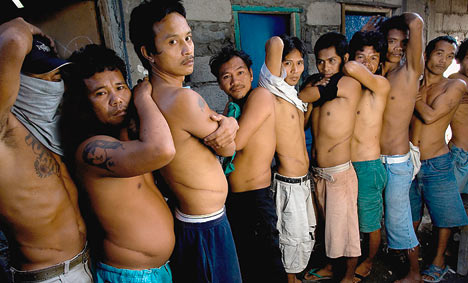
We watch in dread and horror, at movies like “Turistas” and TV shows that are more and more often featuring black market organ harvesting as part of their plotline. But these scary scenarios are only reflecting a new, gory trend that is becoming increasingly common due to the high demand for transplantable organs. The term for this trend in locating and acquiring an organ is being coined “organ tourism”, “transplant tourism” and “organlegging”. (Like bootlegging, but for organs.) Prevalent in under-developed countries, selling off “extra” organs for many may be the only way to earn an income in overcrowded, economically backward regions. Unfortunately these backdoor surgeries are often performed in unhygienic conditions, with improper, non-sterile equipment, and after care is focused upon getting the excised organ to it’s new owner, not on the recovery of the patient. If a “donor” does survive their procedure, they are often stiffed on the cheap payment ($500- $5000) they were promised.
Legislature to establish policy on the right of the individual to sell their organs is an ongoing battle and can only be established on a country by country basis. Advocates of a policy of payment, argue that legal monetary compensation will compel more people to donate. But those opposed, fear that paying donors for their organs will make transplantation available only to the wealthy. Regardless, the trade in organs continues and there will be no way to regulate the safety of everybody involved until these legal and moral questions can be resolved.


In some parts of the world HIV transmission is higher among hetro*****uals than homo*****uals, so while it is generally the case not always so.
As JF said all blood is carefully screened now so a blood source is a blood source no matter who it is from.
In terms of discrimination, I don’t see it that way at all, it’s just being cautious, just these days I think too much so.
I think that if you would be willing to accept a donated organ, then you should also be willing to be an organ donor.
With regards to the assisted suicide/euthinasia issue I believe that it should be legalised.
If someone does not want to suffer the fate of a horrible painful death then they should have the option to end that suffering if they so choose to.
However someone with a similar fate may want to go when nature decides.
Basically all I’m saying is that the choice should be there for the individual.
On a lighter note America has lucky charms therefore America is awsome. We don’t get them in Scotland
No more country bashing please.
Who gives a ***** if the list is American?
The person writing the list is probably American-which doesn’t mean they don’t consider the rest of the world when thinking about things, it’s just easier to call things that they can relate to on a personal level. They specifically said they saw the movie Seven Pounds and it inspired them to do research. Considering this statement, that could have been left off of the list.
Anyways, if I were to read a list written by a Brit i would expect to see monetary value defined by pounds, and would fully expect the default reference to be that of UK law. I wouldn’t complain about that either.
That would be like me reading an article written by a German and then complaining that it’s written in German.
Get over your hatred of a country and just *****ing enjoy the list for what it is. Not everyone in this country is ignorant and blindly nationalistic.
I got through the first couple sentences and stopped.
As an RN, I can tell you that administering of donated blood to a patient DOES NOT take 10 minutes. It’s a few hours at least. Vitals need to be taken frequently to watch for a reaction to the blood. Granted, in an emergency situation, blood may be “dumped” in, but this is VERY risky.
I have friends in the medical industry who are themselves not donors because they know about what happens on the inside. They indeed do have mnay horror stories of the disrespect that happens. Therefore I am not a donor. I would for family, but not in death.
The fact that no one will take my clean albeit gay blood makes me very angry on a certain level, but it’s not like I’m a rare blood type or anything, they ain’t missing much. It just makes me feel like a second class citizen.
The gays are filthy and diseased people! No wonder most have Hiv!Most hetero*****uals would not like to have their blood mixed with gays anyway! Gays should give blood to gays only!
life is more selfish than suicide.
also,
I think the major flaw here is that what one believes to be caring, as in with a last call (THE last call), IS really just a perpetuity of hungry humans.
and,
The disposability factor of our modern inventiveness and global prejudicial glossing overwhelms reality and I cant wrap my head around it.
So it’s a small thing, you know.
Or the plucking of the heart strings when you read about the ANONYMOUS DONOR.
It would be easy enough to say “well researched” and all that, but that’s beside the point and doesn’t mean a thing. And It would be easier to opinionate possibly if the writing were more biased and lacking in structured thought…I mean, you didn’t go all Sally Struthers on our ass.
This is not to say I am against being a DONOR. I mean, I check marked the little box on my driver’s license.
haw haw…
okay, so this makes me sound shallow. I have read ‘the list’ and ‘the comments’ and those that have been/are directly involved in one way or another- god bless you all.
Whoever your gods may be.
We’re all going to die regardless. But while we are living we should try and love and hate and ***** and kill and buy and sell and construct and rebel and destroy and be tender and sweet and giving– because the children of tomorrow and today are innocent and astounding and malleable to become within our likeness and form as mass replacements.
There is always the freak factor. This is the hope that enough of the flock will stick out in excellence but abide by the rules. If perfect armies could be created from birth then as a species we might be able to evolve exponentially; ad infinitum, within the dark mass exploding. Do you know what I mean?
@jasontimmer (122): I believe the author was talking about administering the blood withdrawal procedure, not the blood transfusion part. You should read the rest, it’s a fine list.
This isn’t about the “gift of life.” It’s not something you “pray for.” It’s about humans and science. Thank medical scientists, not your God.
Hope organ tourism doesn’t become a rite of passage for those people.
Sofar: I heard recently that here in Canada they’re lifting the ban on so called “gay blood”.
Anti Gay; (I used to have an ‘Auntie Gay’, but that’s another story) From the sound of your homophobic diatribe most people wouldn’t give you blood even if they were covered in it.
Suicide selfish and misguided? Come on, think again. How can it be misguided if it works. It does solve every problem. Selfish it isnt either, it is selfless. In this overcrowded, undernurished, overpoluted, heating-up world suicides are unsung heroes who leave more of the world for other people.
@likelyguy (128): God curses the gays and you know that! Why else do you think all monotheist religions have condemned homo*****uality! From the sound of it, your are fag yourself! About me getting blood don’t worry about it!
@tony (129): how delusional can one be? Severely delusional, obviously.
That rhymed.
@likelyguy (128): So elloquently stated.
@likelyguy (128): People covered in blood would be needing the blood themselves and far from giving away !HaHa
@Anti Gay: Ok, how about this one then. I wouldn’t ***** on you to put you out if you were on fire. Go find somewhere else to troll. We don’t need the likes of you making an already convoluted discussion any worse.
@jasontimmer (122): I think that perhaps the writer of the list meant the donating of blood takes about 10 minutes, though receiving it takes longer. I’ve never been on the receiving end (and, being only two weeks over the minimum age for donation here, have only given blood once) but I know it does take 10 minutes or less to give blood, though you do have to hang around afterwards for a while to check you’re ok, so it would make sense for this to be what the writer meant.
It’s a strange thought, to me, that people (me included!) volunteer to have half a litre of their blood taken from them at regular intervals – but considering that you can save so many lives by it (here, they say up to 12 a year, because they only let you donate every three months), it’s definitely worthwhile! It’s even stranger a thought that people volunteer to have organs taken – for good – while they are still alive, but again, the lives saved definitely makes it worth it.
Please don’t give people like Anti Gay time of day, they are just baiting and not worth the energy or key strokes. If there was some sort of reasonable or rationale argument in his statements would be fine, but he is just looking for someone to bite.
Also apologies for posting twice above, tech issues I thought the post did not work.
Why are people complaining that this list and others are too American? America is the center of the universe and more lists if not all lists should be about America.
Very interesting and informative list. (As well as being well written)
Its funny because just a couple of days ago I contacted blood.co.uk about donating.
Nice list. Hopefully more people will take from this list, the fact that you can help people so easily, and hopefully do it.
I have a serious auto-immune heart lung condition. Until about 16 years ago the only hope for this was a transplant. Fortunately they now have drugs for it, but they don’t always work. For me though they are helping. But others with my condition still need transplants.
It really makes you think about this sort of thing when you are put in the place of possibly needing donated organs.
I am very grateful to all the generous minded individuals out there who make transplantation possible. I wish I could be a donor myself, but unfortunately my other medical conditions make this virtually impossible as they have affected all my organs to a greater or lesser extent.
I would still be happy for them to take anything that was useful as I wouldn’t be needing it!
And as an aside has anyone read “Choice Cuts” by Boileau and Narcejac?
I would disagree about the comment ‘once I’m dead they can check for viruses’ etc, they use the same tests as the ones they’d use while I’m alive. The only reason it hasn’t changed is because when HIV first came about it was thought that HIV was solely a disease for gay men – that’s not the case. Just as with a lot of things, the law doesn’t always reflect the times.
For the record: I have never taken drugs, nor had unprotected ***** and I do not sleep with everyone I meet so I’m no more likely to contract any STD than my straight brother.
Interesting!
Wow. I just realised that google is very good at targeting ads – on this list, I get three “Ads by Google” turning up at the top – the first is a link to the NZ (I’m in NZ) blood donation service, the second is to do with clogged arteries, and the third is for stem cell banking. I’m impressed.
@Blue I’x (64): Unfortunately I’m no longer allowed to donate, because my husband was *****ually abused as a kid. Seems odd, but one of the screening questions is “have you had ***** with a man who’s had ***** with a man?” and technically, the answer is yes.
@Josh (119): Well, if you think about it, the gay community is at a higher risk of contracting HIV. Thus, the recipient of your donated blood would be placed at a higher risk of contacting the virus. Now, granted, I am sure that they would screen for such viruses pro bono, but it’s a higher risk nonetheless.
@Mindseye (120): In some parts of the world now HIV transmission rates are higher among hetero*****uals rather than homo*****uals, so in most cases is true, but not all. As JF stated, if all blood is tested than a blood source is a blood source, no matter who they are.
What makes the question moot in my mind is the fact that people lie. Many homo*****uals are closeted, and while you might say that shouldn’t matter because the questionnaire answers are confidential, there may be social or peer-group type of situations where such a person just wants to be able to make a donation without having to explain to others why he can’t. Even if the “lie” is done indirectly or unknowingly, the potential of that occurring makes the questionnaire answer next to worthless. Take for example the situation provided by Blue I’x. What if her husband had been too negatively affected or ashamed of the childhood incident(s) to share his story with her? She would honestly and innocently check “no” in that box. There are so many other situations that could drive an inaccurate response to that question, that it makes it pointless to even ask IMO, and as others have stated, all blood is tested anyway.
That said, here is a link that seems to take a fair look at the issue, and does attempt to explain the risk-to-reward logic behind the ban (from a U.S. perspective, using U.S.-based statistics), and also includes a table of other restrictions:
http://www.thebody.com/content/art13321.html
Excerpt:
“The official thinking for why gay men should not be allowed to donate, therefore, goes something like this: If the blood donor pool is opened to healthy gay men, not many more potential donors are included given the small numbers of gay men overall. Assume 5 percent of the 130 million American males are gay, which gives a rough estimate of 6.5 million gay men in the United States. Assume at least 85 percent of these men are healthy, HIV-uninfected, with no other exclusions and that they would donate blood at roughly the same rate as the rest of the population (less than 5 percent). This results in an expansion of the donor pool by only about 250,000 people. At the same time the donor pool is opened up to a much larger number of potentially HIV-infected people. The risk of allowing gay men to donate is therefore disproportionate to the benefit of a relatively small increase in the donor pool.
This cold calculation gives a sense of the underlying argument for a level of caution when considering the issue but does not answer why all gay men, or at least any man who has had ***** with a man since 1977, should be permanently barred from blood donation. Why not expand the donor pool by 250,000 when the nation faces a blood shortage? Is there some other way to formulate a policy based on science that recognizes epidemiological reality but also feels less discriminatory and stigmatizing to healthy gay men?”
bohzo (hello)
I enjoyed reading your blog, have a great day!
No. 1 looks like a picture from Philippines.
Nice points, Maggot. Now, what about “don’t ask, don’t tell?” So, if I turn gay, I can’t marry (in the majority of U.S. states), I can’t serve your country by joining the armed forces, and I can’t save lives by donating blood. Basically, would be sub-human. I think the bottom line is that our society needs to mature past the ignorance of the dogmatic principles set forth by religious opinion. I, myself, am a Christian; however, I refuse to believe that gay men and women are pollutants to humanity—which, unfortunately, is an ideal germaine to the society in which we live.
Correction: “I can’t serve my country.”
Another correction: germane
Man, I need to proof read more.
Great topic! I read in the paper this morning that organ donations have drastically increased here in Ontario, Canada. I think that this is directly attributed to government funded education programs and blogs like this. Well done! Blood donation is still an uphill battle, however. As for organ tourism, it is tragic that there are people out there profiting from the poor and sick. Thanks for a great read.
Since I’ve had my second child in the last few months I’ve mad a living will. It stipulates that I not only wish to donate organs but to donate what’s ever left of my body (lol) to science. I also added that I also wish for my children to be organ donors if,heaven forbide, something were to happen to them, but not thier body’s to science part though, I couldn’t imagine some random student doing whatever with my baby’s bodys. That’s just me though. I can understand it being a very hard decision to remove someone from life support and I also stipulated that I never wished to live like a in a persistant vegatative state (no Terry Schavo battle here). I wonder though is my family legally obligated to follow through with this when I’m gone? I guess I should have asked but I did mine online. I think they are imperative especially if you have children but also if you have certain wishes for the treatment of your body after death. I advise anyone to look into getting a living will. I stress this more once you have children. Just MHO.
JFrater- yet another great list! Very well done and very informative. I study bioethics and health, the `living will`is very interesting. What struck me was the passage where you wrote `demand outweighs supply`.
In reality, there are 6.3 billion people on this planet, we have more than enough supply, especially with regards to organs like the liver and kidney which is high in demand.
I think this brings up the argument for a new way of thinking about our bodies and the necessary organs to maintain a healthy and fully functional life style. I myself fear the very idea of my physical exterior being torn open after my death and my parts gauged from my physical body. This is funny in light of the fact that I do not really believe in being able to survive death and be physically pained by death- this relates to the Lucretius philosophical argument that death does not happen to US, when you die, you are no longer alive, and when you are alive, you are not dead- therefore you should not fear what happens to your body once you are dead.
Even though I believe this view of death- for some reason, I still am creeped about the idea of my body being sliced open after my death. I want to donate my organs- but I cannot bring myself to give consent.
Also it’s important to vocalize to your family and friends your wishes for yourself and your children after your death (hopefully many many many many moons from now) so not only do you have documented but your nearest and dearest are also aware of how you feel.
Life is a gift? I like that premise
I have the donation thing on my drivers license, and i’d like to give blood but you can’t donate until you are 16 in new zealand.
Nice list!
For me this list comes as a perfect coincidence. I am a regular reader of Listverse and for two days that I was in hospital donating my blood stem cells through a process already mentioned above (PBSC or Peripheral Blood Stem Cells), I come back here to read about the same. My apheresis procedure was done the day this list was published.
I am not really sure if the patient getting these cells would survive or not, but I am sure that medical science would take a step forward in terms of figuring out unknowns of human body, no matter even if a baby step that is.
PBSC is still in neonatal phase and a lot of research is going on if it is an effective way of bone marrow transplant. Someone has already mentioned the web site for bone marrow donation registration if you are interested.
I’ve been away for a few days. It is a great pleasure to return to see my list published. It is an even greater pleasure to see the fine reception that the readers here have given to it.
Thank-you.
Just a couple of notes…
@ringtailroxy (25):
Thank-you for the extra info you have added to the list. And thank-you for also reminding us about the needs of our pets as well. They are often as beloved as other human family members, sometimes more so.
@jake ryder (35): “On the list don’t forget the gift of life of sperm and egg donation.”
I didn’t. See Item 6-Live Donations.
And thank-you to those commenters that have posted useful links that help to further educate the public about this subject.
Those men showed in the #1 picture looked like my countrymen. xD (Yeah, I’m from a country in SE Asia.)
@cascading spirit (149): Yeah! That’s what I’m talking about. I really agree with you.
i feel that there are those people out there who have different beliefs from others – therefore making the donor choice a lot harder. i am one of those people. i always give blood whenever i can but thinking that when i die and my body is separated scares the ***** outta me, even if i save 50 lives.
how will my funeral go? since i am maori, we traditionally have it on the marae. with an open casket. i don’t know what my family would do in the situation knowing that there are parts of me not there anymore (even if i am dead).
talking to someone who isn’t maori and wasn’t brought up the same way as i was, she couldn’t understand people going back to the grave to visit their ‘loved ones.’ because she says they’re always with you in spirit. however i go and visit my loved ones because that was the body i touched, the body they used, and knowing it’s so close yet impossible to see again is terribly sad. but it’s there to remind you that they were alive once, and with you.
so even if at the moment my license doesn’t have donor on it at the moment, i hope in the future my thinking will change and i can tick that box.
(lets hope i dont die soon
)
First…someone posted up higher with my name! DK is probably their actual initials though, rather than a derivation of their WoW character’s name, like mine!
Anyhow, I’m all for blood & organ donations. I think the pink donor sticker came off my license, but the people who would have to make that decision all know my feelings on it. take what might help someone, burn up the rest, secretly sprinkle my ashes in disneyland… simple enough I think.
I feel really terrible about not donating blood. Part of it is my intense fear of needles, but I also had a really terrible experience the one time I donated. I was doing fine through the whole thing, but when it was time to get up, I nearly passed out. They had to lay me back, bring out ice packs & everything. I had to sit there for a good 45 minutes after they drew the blood before I could comfortably get up. They brought over several juice boxes & cookies to bring up my blood sugar levels. Even after that though, several months later I tried to donate again, but didn’t pass the iron test so they wouldn’t let me. I’m sure I’ll try again sometime though.
@#160deeeziner Thanks for compiling this interesting list! An additional point about these issues might be to mention that organ donors seldom know, but ought to be aware that the donation they offer will only go to insured recipients. In other words, if the person needing the organ is not insured, then they will not be getting your donated organ. I doubt that uninsured patients even qualify for the waiting list, since they may not receive an organ donation under any circumstances. It’s ironic that although I did check the donor box on my driver’s license I cannot ever receive a transplant myself because I am have no health insurance. Already we see that organ donations are reserved only for those rich enough to afford health insurance.
medical necessity will qualify a person for social security and after a certain amount of time (i think it is 2 years), they can then receive medicare, which will cover up to 80% of a transplant. Supplemental state health insurance (also based on medical need or disability) will most often times pay for the rest. Transplant centers have financial coordinators that will work with various state agencies for financial support for those who have inadequate coverage. There are also many fundraising organizations that help those in need of organ transplants. Yes, money and insurance are definitely factors to consider when a person is in need of a transplant, but lack of insurance does not immediately disqualify someone. Once a person is on the list, tissue typing and viral matches determine who gets the organ, not which candidate has better insurance.
@khatzeye (19): Dude, think about it. Do you really think paramedics and doctors are going to search, locate, open up your wallet, dig up your license, and look to see if you are an organ donor before deciding whether or not they’re going to let you lie there bleeding out on the street or die of cardiac arrest??? That is the LAST thing on their minds, trust me. In the ER, we don’t even think about that until the VERY end… when we need to keep the body alive or not. It is a NON issue- trust me
@ExportLink (90): And they say Americans are narrow minded!! What the hell- how do they even KNOW you’re gay, they can’t just assume, even if you ‘appear’ it. That’s arcane thinking..
Suprisingly interesting!
so if all men are created equal how come blacks, Asians and native Americans are more likely to suffer different health problems then whites or others? goes to show we are NOT made equally. bit of contradiction there amirite?
About brain dead. Do you know that a woman can only give birth naturally when still aiive ? Do you know that a braindead pregnant woman can give birth ? Do you know that when you are brain dead and they need your organs, they will tell your family that you are dead ?
I gave blood for the first time today. This list is what inspired me to. It wasn’t as bad as I had expected.
I hope others can be inspired by this list to do the same.
I know this is an older list, but I have insomnia and listverse keeps me entertained….
I had a double lung transplant 15 weeks ago. I was on the waiting list for two years at two different centers to increase my chances of finding a donor. It took me a year to actually get on the list. Those three years of testing and waiting were the hardest thing I've ever gone through (and I have a degree in chemistry, har har)…. the not knowing, the watching yourself get sicker and sicker, and the false calls are so emotionally trying. This last year I wore 6L of o2 full time, and spent 3 weeks in the hospital at a time… with two weeks out in between, three, if i was lucky. I could not walk anymore. I couldn't brush my own hair, I couldn't make myself a sandwich… without a transplant I would most certainly not be alive right now. I thank my donor and their family with every breath I can now take on my own, unassisted, without oxygen. I can LIVE now. I can only hope to honor my donor's memory by fully taking advantage of every extra day they have given me… I'm 23, and for the first time I feel like I actually have a future.
My grandmother was on the list for a double ling transplant for only 19 hours… I had no idea we could have been waiting 3 years!
I wanted to donate blood some time ago , turns out i’m not allowed to because of my mixed ethnicity D:
“ethnicity”… all “MEN” are equal? i think the issue here is clear.. all “PEOPLE” are equal..