
 Movies and TV
Movies and TV
Movies and TV  Technology
 10 Historical Inventions That Changed War Forever
 Humans
 10 Everyday Concepts That Are Shockingly Modern
 Animals
 10 Animals Everyone Gets Wrong
 Weird Stuff
 10 Bizarre Superstitions That Drive the Stock Market
 Movies and TV
 10 Films That Were Praised but Got History Wrong
 Our World
 10 Major Cities Being Swallowed by the Earth
 History
 10 Times Saying the Wrong Thing Became a Death Sentence
 Music
Music 10 Stars Who Secretly Wrote Hit Songs for Other Singers
 Weird Stuff
 10 Daredevils Who Treated Death Like a Suggestion
Movies and TV 10 Characters Who Never Forgot a Grudge
Technology 10 Historical Inventions That Changed War Forever
Humans 10 Everyday Concepts That Are Shockingly Modern
Who's Behind Listverse?

Jamie Frater
Head Editor
Jamie founded Listverse due to an insatiable desire to share fascinating, obscure, and bizarre facts. He has been a guest speaker on numerous national radio and television stations and is a five time published author.
More About Us
Animals 10 Animals Everyone Gets Wrong
Weird Stuff 10 Bizarre Superstitions That Drive the Stock Market
Movies and TV 10 Films That Were Praised but Got History Wrong
Our World 10 Major Cities Being Swallowed by the Earth
History 10 Times Saying the Wrong Thing Became a Death Sentence
Music 10 Stars Who Secretly Wrote Hit Songs for Other Singers
Weird Stuff 10 Daredevils Who Treated Death Like a Suggestion
Top 10 Amazing Earth Facts
As well known and well traveled as our planet is, there are still new things being discovered every day. In fact, most of our oceans haven’t even been explored yet which is why when new depths are located; they often come with hundreds of new species. Rain forests offer up new animals and plants as often as we can explore them. The Earth is constantly changing, shifting, and exposing new secrets for humans to marvel at. It took many years and many great minds to solve the problem of getting through Earth’s atmosphere into the wide expanse of space beyond. Here are ten amazing facts about our home that you may not be aware of.
10. The Atmosphere
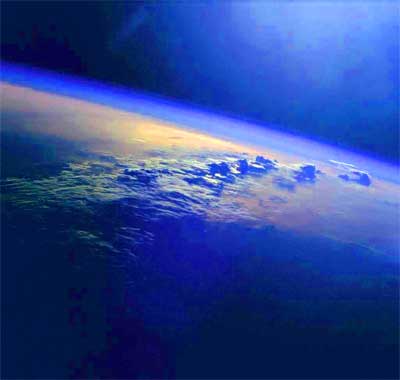
Many layers of atmosphere coat our planet including the mesosphere, ionosphere, exosphere, and the thermosphere, but it’s the troposphere, closest to the planet itself, that supports our lives and is, in fact, the thinnest at only about 10 miles high.
9. Deserts
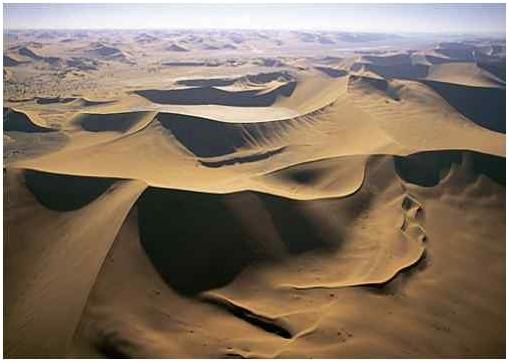
Believe it or not, most of the Earth’s deserts are not composed entirely of sand. Much, about 85% of them, are rocks and gravel. The largest, the Sahara, fills about 1/3 of Africa (and it is growing constantly) which would nearly fill the continental United States.
8. The Big Blue Marble
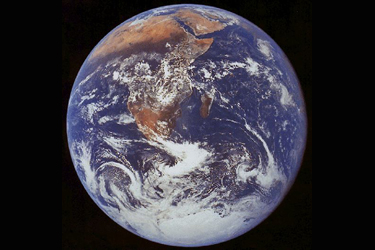
The Earth is, in fact, not really round. It is called an oblate spheroid meaning it’s slightly flattened on the top and bottom poles.
7. Salty Oceans
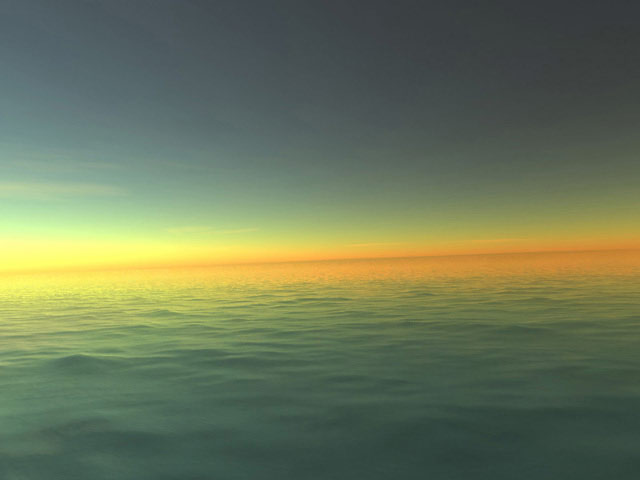
If you could evaporate all the water out of all the oceans and spread the resulting salt over all the land on Earth, you would have a five hundred-foot layer coating everything.
6. Lakes and Seas

The largest inland sea (or, sometimes called a lake) is the Caspian Sea which is on the border of Iran and Russia.
5. Mountains
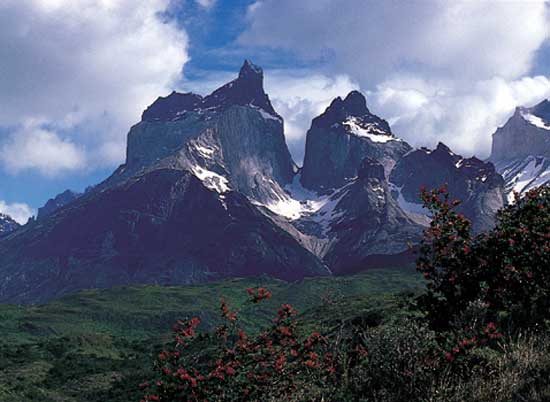
The Andes Mountain range in South America is 4,525 miles long and ranks, as the world’s longest. Second Longest: The Rockies; Third: Himalayas; Fourth: The Great Dividing Range in Australia; Fifth: Trans-Antarctic Mountains. For every 980 feet you climb up a mountain, the temperature drops 3-1/2 degrees.
4. Deep Water
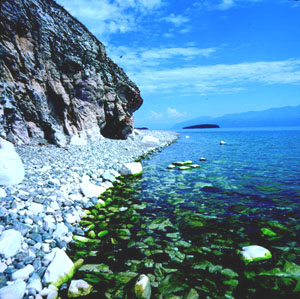
The deepest lake in the world is in the former USSR and it is Lake Baikal. It has a length of 400 miles, a width of roughly 30, but its depth is just over a mile: 5,371 feet down. It is deep enough, so is speculated, that all five of the next largest lakes: The Great Lakes could be emptied into it.
3. Shaky Ground
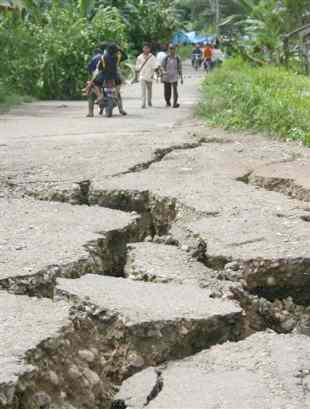
Earthquakes can be catastrophically destructive and many a year are deadly. However, the Earth releases about 1 million a year, almost all are never even registered.
2. Hot, Hot, Hot
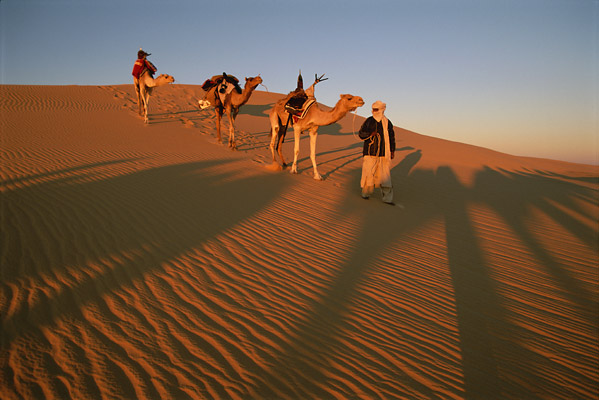
Most people believe that Death Valley, California, U.S.A. is the hottest place on Earth. Well, occasionally it is, but the hottest recorded temperature was from Azizia in Libya recording a temperature of 136 degrees Fahrenheit (57.8 Celsius) on Sept. 13, 1922. In Death Valley, it got up to 134 Fahrenheit on July 10, 1913.
1. Dust in the Wind
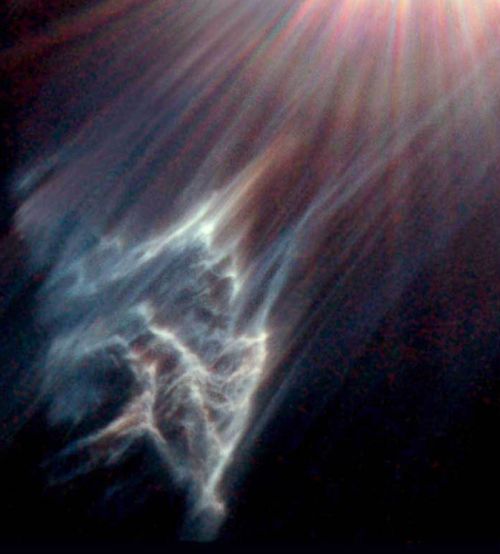
Experts from the USGS claim that roughly 1,000 tons of space debris rains down on Earth every year.
Source: Uncle John’s Bathroom Reader
More Great Lists
 10 Obscure But Amazing Episodes From Earth's Mass…
 Top 10 Amazing Feats And Facts About Glass
 Top 10 Amazing Facts And Stories About Sinkholes
 Top 10 Amazing Facts From The Secret History Of Blood
 10 Amazing Facts About The Unkillable Soldier
 Top 10 Reasons Skinwalker Ranch Is The Strangest…
 Top 10 Creepiest Places On Earth (That You Probably…
 Top 10 Never-Before-Seen Photos Of Earth - 2020
 Top 10 Most Heavily Guarded Places On Earth
fact checked by
Alex Hanton
More Great Lists