
 Weird Stuff
Weird Stuff
Weird Stuff  Creepy
 10 Appalachian Legends to Haunt Your Halloween
 Humans
 10 Mathematical Geniuses Who Quietly Built the Modern World
 Movies and TV
 10 Movie Antagonists Who Deserved More Sympathy
 Weird Stuff
 10 Lakes Where Nature Gets Seriously Weird
 Music
Music 10 of the Biggest Music Careers Launched by Sitcoms
 Movies and TV
 10 Period-Drama Details That Look Fake but Are Historically Accurate
 Weird Stuff
 10 Wild Facts You Might Not Know About Bears
 Mysteries
 10 Terrifying Medical Mysteries That Turned Out to Be Poisoning
 History
 10 Real Intelligence Operations That Sound Like Hollywood Fiction
Weird Stuff 10 Bizarre Immortality Legends and the Dark Truth Behind Them
Creepy 10 Appalachian Legends to Haunt Your Halloween
Humans 10 Mathematical Geniuses Who Quietly Built the Modern World
Who's Behind Listverse?

Jamie Frater
Head Editor
Jamie founded Listverse due to an insatiable desire to share fascinating, obscure, and bizarre facts. He has been a guest speaker on numerous national radio and television stations and is a five time published author.
More About Us
Movies and TV 10 Movie Antagonists Who Deserved More Sympathy
Weird Stuff 10 Lakes Where Nature Gets Seriously Weird
Music 10 of the Biggest Music Careers Launched by Sitcoms
Movies and TV 10 Period-Drama Details That Look Fake but Are Historically Accurate
Weird Stuff 10 Wild Facts You Might Not Know About Bears
Mysteries 10 Terrifying Medical Mysteries That Turned Out to Be Poisoning
History 10 Real Intelligence Operations That Sound Like Hollywood Fiction
Top 15 Amazing Facts About The Human Body
In our ongoing quest for wonderful facts about all manner of things, we have put together this list (with thanks to the Reader’s Digest Book of Facts), a great list of amazing human facts. These are the fifteen most wonderful things about our bodies that, hopefully, are news to most of our readers! So, onwards:
1
Facts 1 – 5
1. The stomach’s digestive acids are strong enough to dissolve zinc. Fortunately for us, the cells in the stomach lining renew so quickly that the acids don’t have time to dissolve it.
2. The lungs contain over 300,000 million capillaries (tiny blood vessels). If they were laid end to end, they would stretch 2400km (1500 miles).
3. A mans testicles manufacture 10 million new sperm cells each day – enough that he could repopulate the entire planet in only 6 months!
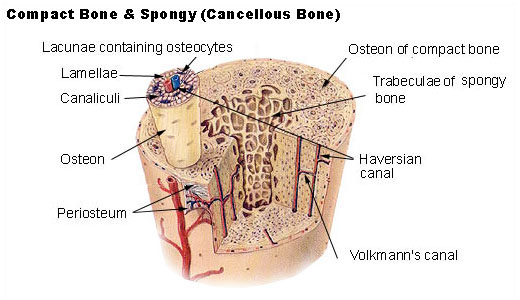
4. Human bone is as strong as granite in supporting weight. A block of bone the size of a matchbox can support 9 tonnes – that is four times as much as concrete can support.
5. Each finger and toenail takes six months to grow from base to tip.
2
Facts 6 – 10
6. The largest organ in the body is the skin. In an adult man it covers about 1.9m2 (20sq ft). The skin constantly flakes away – in a lifetime each person sheds around 18kg (40 lb) of skin.
7. When you sleep, you grow by about 8mm (0.3in). The next day you shrink back to your former height. The reason is that your cartilage discs are squeezed like sponges by the force of gravity when you stand or sit.
8. The average person in the West eats 50 tonnes of food and drinks 50,000 liters (11,000 gallons) of liquid during his life.
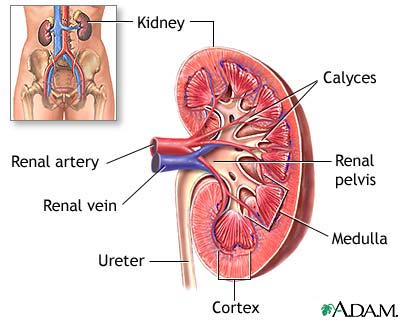
9. Each kidney contains 1 million individual filters. They filter an average of around 1.3 liters (2.2 pints) of blood per minute, and expel up to 1.4 liters (2.5 pints) a day of urine.
10. The focusing muscles of the eyes move around 100,000 times a day. To give your leg muscles the same workout, you would need to walk 80km (50 miles) every day.
3
Facts 11 – 15
11. In 30 minutes, the average body gives off enough heat (combined) to bring a half gallon of water to boil.
12. A single human blood cell takes only 60 seconds to make a complete circuit of the body.
13. A foreskin, the size of a postage stamp, from circumcised babies take only 21 days to grow skin that can cover three (3) basketball courts. Amazing isn’t it. Thanks to science. The laboratory-grown skin is used in treating burn patients.
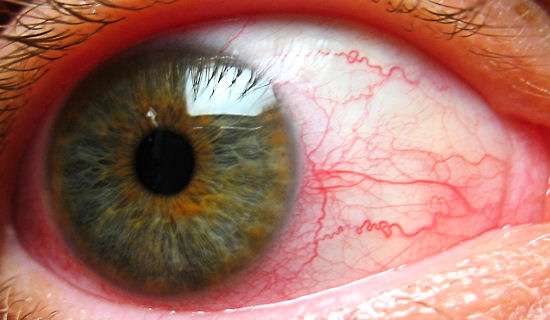
14. The eyes receive approximately 90 percent of all our information, making us basically visual creatures.
15. The female ovaries contain nearly half-a-million egg cells, yet only 400 or so will ever get the opportunity to create a new life.
Sources: Reader’s Digest Book of Facts
More Great Lists
 Top 10 Gross Things About The Human Body
 10 Amazing Things You Didn't Know Our Body Parts Can Do
 10 Reasons For Keeping Human Body Parts After Death
 10 Insanely Scary Parasitizations Of The Human Body
 10 Products Made From Human Body Parts And Secretions
 Top 10 Amazing Feats And Facts About Glass
 Top 10 Amazing Facts And Stories About Sinkholes
 Top 10 Amazing Facts From The Secret History Of Blood
 10 Fascinating Facts And Stories Involving Body Parts
More Great Lists